The Magnificent Polish Tatra Sheepdog: Guardian of the Mountains
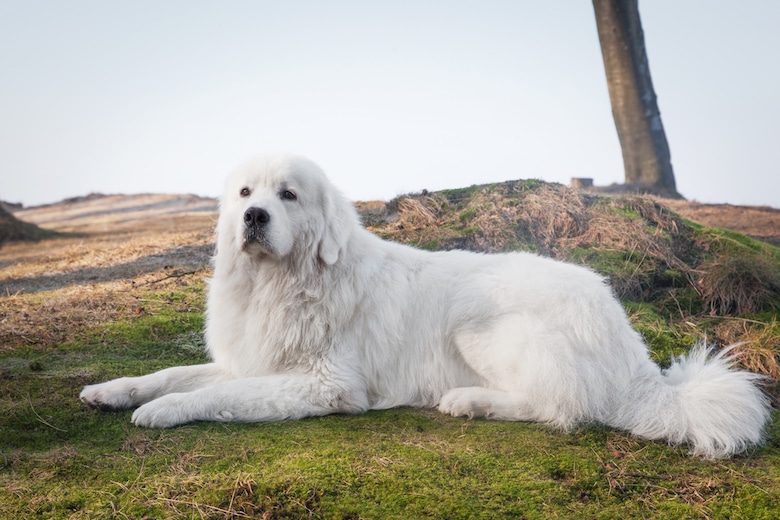
Amidst the craggy peaks and lush valleys of the Tatra Mountains, a majestic creature has stood watch for centuries. With a coat as white as the snow-capped hills and a heart as bold as the mountain people, the Polish Tatra Sheepdog is a breed that embodies the very essence of its homeland. As a lifelong dog lover and admirer of this regal canine, I‘ve gathered insights and facts to paint a portrait of the Tatra Sheepdog in all its glory.
A Breed Shaped by the Mountains
To understand the Polish Tatra Sheepdog, we must first look to the land that forged it. The Tatra Mountains form a natural border between southern Poland and northern Slovakia, with the highest peak, Gerlach, reaching 2,655 meters (8,711 feet). This rugged terrain of rocky cliffs, alpine meadows, and dense forests is not for the faint of heart – and neither is the dog that calls it home.
The Tatra Sheepdog, or Owczarek Podhalanski in Polish, emerged as a guardian of the mountain pastures. For thousands of years, the dog accompanied shepherds and their flocks as they grazed in the high meadows, braving bitter cold, searing heat, and the persistent threat of predators. This demanding lifestyle shaped the Tatra into a dog of unparalleled resilience, strength, and courage.
As Jarosław Dutkiewicz, a Polish breeder and judge of Tatra Sheepdogs, explains: "The environment in which the Tatra Sheepdog developed – the harsh climate, the rocky terrain, the need to protect against wolves and bears – all of this contributed to the breed‘s physical and mental characteristics. It is a dog that is perfectly adapted to its homeland."
A Striking Presence
The first thing you‘ll notice about a Polish Tatra Sheepdog is its remarkable size. These are large, sturdy dogs, with males standing 27 to 32 inches (68 to 82 cm) at the shoulder and females 24 to 28 inches (60 to 70 cm). Weight ranges from 80 to 130 pounds (36 to 59 kg), putting the Tatra in the "giant breed" category alongside such hefty canines as the English Mastiff, Great Dane, and Irish Wolfhound.
But what really sets the Tatra apart is its resplendent white coat. The breed standard calls for a dense, long, and straight outercoat over a soft, thick undercoat. The hair forms a distinctive ruff around the neck and feathering on the legs and tail, giving the Tatra a majestic, leonine appearance. In motion, the Tatra is a sight to behold, its gait fluid and ground-covering with a light spring that belies its size.
Breed historian and author Danutą Hryniewicz describes the Tatra‘s aesthetic appeal: "The beauty of the Tatra Sheepdog lies in its harmonious build, in the powerful yet not heavy frame, in the excellent musculature under the long, thick coat. It is a dog of great dignity and serenity."
| Breed | Male Height | Male Weight | Female Height | Female Weight |
|---|---|---|---|---|
| Polish Tatra Sheepdog | 27-32 in (68-82 cm) | 100-130 lbs (45-59 kg) | 24-28 in (60-70 cm) | 80-100 lbs (36-45 kg) |
| English Mastiff | 30+ in (76+ cm) | 160-230 lbs (73-104 kg) | 27.5+ in (70+ cm) | 120-170 lbs (54-77 kg) |
| Great Dane | 30-32 in (76-81 cm) | 140-175 lbs (64-79 kg) | 28-30 in (71-76 cm) | 110-140 lbs (50-64 kg) |
| Irish Wolfhound | 32+ in (81+ cm) | 140-180 lbs (64-82 kg) | 30+ in (76+ cm) | 115-140 lbs (52-64 kg) |
Table 1. Comparison of Polish Tatra Sheepdog size to other giant breeds. Sources: FCI, AKC, UKC breed standards.
The Soul of a Guardian
As a livestock guardian breed, the Polish Tatra Sheepdog possesses certain traits that have been honed over centuries of working alongside humans. Independent, loyal, and protective, the Tatra is a dog that thinks for itself and takes its job seriously.
On the mountain pastures, the Tatra‘s role was to patrol the perimeter of the grazing area and deter predators such as wolves, bears, and lynx. The dogs worked independently, without direct supervision, relying on their keen senses and judgment to detect and ward off threats. This independent spirit is still strong in the breed today, even in pet dogs.
Tatra Sheepdogs are not typically aggressive, but they are naturally aloof with strangers and highly devoted to their families. As guardians, they are more likely to stand their ground and warn off an intruder with their imposing presence and deep bark than to physically attack. But make no mistake – a Tatra will defend its flock fearlessly if need be.
With loved ones, the Tatra is a gentle giant, patient and nurturing with children and affectionate with its people. They thrive on human companionship and should live as part of the family, not relegated to a kennel or backyard. However, they are not a clingy or needy breed, content to sit quietly at your feet or observe the goings-on from a favorite vantage point.
Tatras are vigilant watchdogs, with a tendency to bark at anything unusual. Early training is a must to teach them when barking is appropriate. As intelligent, independent thinkers, they respond best to positive reinforcement and respectful, consistent leadership. Heavy-handed training methods will only make them shut down or become mistrustful.
Anna Tomaszewska, a veterinarian and Tatra Sheepdog owner from Krakow, sums up the breed‘s temperament: "The Tatra is a dog of great contrasts. On one hand, it is a fierce protector, always on guard, ready to spring into action at a moment‘s notice. On the other hand, it is a calm, gentle soul, deeply bonded to its family and content to simply be in their presence. It is a dog that commands respect, but also great love and admiration."
A National Treasure
In Poland, the Tatra Sheepdog is more than just a breed – it is a cultural icon, a symbol of the proud mountain people and their way of life. The breed is celebrated in Polish art, literature, and folklore, often depicted as a noble companion standing alongside the shepherds in the rugged Tatra landscape.
One famous literary example is the Tatra Sheepdog named Sabała, who appears in several novels by the Polish writer Kazimierz Przerwa-Tetmajer. In the stories, Sabała embodies the faithfulness, courage, and wisdom of the mountain dogs, aiding the shepherd protagonists in their adventures and struggles.
The breed has also been honored on postage stamps, medals, and even a commemorative coin. In 2006, the National Bank of Poland released a series of coins featuring Polish dog breeds, with the Tatra Sheepdog appearing on the 2 złoty coin. The breed is a regular fixture at national events and celebrations, a living testament to Poland‘s pastoral heritage.
Despite its cultural significance, the Polish Tatra Sheepdog remains a rare breed. According to the Polish Kennel Club, there are only around 350-400 Tatra puppies registered each year in Poland, with a global population estimated at just a few thousand. The breed‘s rarity is partly due to its limited geographic origins, but also to the challenges of breeding a large, relatively slow-maturing dog with a small gene pool.
Responsible Tatra breeders prioritize health testing and genetic diversity, working to minimize the incidence of hereditary health problems such as hip dysplasia, elbow dysplasia, and certain eye disorders. Prospective owners should seek out breeders who perform health screenings on their breeding stock and follow ethical breeding practices.
Here are some key statistics on the Polish Tatra Sheepdog population and health:
- Global population: Estimated 3,000-5,000 dogs
- Annual registrations in Poland: 350-400 puppies
- Average litter size: 6-8 puppies
- Hip dysplasia incidence: Approximately 20-25%
- Elbow dysplasia incidence: Approximately 5-10%
- Average lifespan: 10-12 years
Sources: Polish Kennel Club, FCI, OFA
Living with a Tatra
As a large, active working breed, the Polish Tatra Sheepdog is not a dog for everyone. These dogs require experienced owners who can provide firm, consistent training, plenty of exercise and mental stimulation, and a spacious, secure living environment. Tatras do best in homes with large, fenced yards or acreage where they can patrol and roam. They are not well-suited to apartment life or city dwelling unless they have ample outdoor access.
Tatra Sheepdogs are relatively low-maintenance in terms of grooming, but their thick double coats do require regular brushing to prevent matting and remove shedding hair. Weekly brushing with a pin brush and slicker brush is typically sufficient, with more frequent grooming during the heavy shedding seasons of spring and fall. Tatras should only be bathed as needed, as over-bathing can strip the natural oils from their skin and coat.
Other grooming needs include regular nail trims, ear cleaning, and dental care. Like all large breeds, Tatras can be prone to joint problems and may benefit from supplementation with glucosamine and chondroitin, as well as orthopedic beds and ramps to ease stress on the joints.
Feeding a high-quality, large-breed formula dog food is important to support the Tatra‘s growth and development, particularly in puppyhood. Owners should monitor the dog‘s weight and body condition carefully, as excessive weight gain can exacerbate joint issues. Adult Tatras typically eat 4-6 cups of food per day, depending on their size, age, and activity level.
Exercise is a must for the Tatra Sheepdog, both to maintain physical condition and to provide mental stimulation. A minimum of 60-90 minutes of moderate to vigorous exercise per day is recommended, broken up into several sessions. Long walks, hikes, and play sessions in a securely fenced area are ideal. The breed‘s working background also makes them well-suited to activities like carting, drafting, and pack hiking.
Training is another essential component of Tatra ownership, not only to teach basic obedience and manners but also to provide mental exercise and strengthen the bond between dog and owner. As intelligent, independent dogs, Tatras can be strong-willed and may test boundaries, so consistency and positive reinforcement are key. Socialization from an early age is also critical to help the Tatra develop into a well-adjusted, discerning watchdog.
For the right owner, the rewards of living with a Polish Tatra Sheepdog are immeasurable. As Anna, the veterinarian and Tatra owner, attests: "My dog Góral is more than just a pet – he is a true companion, a guardian, and a connection to my heritage. When I look into his wise, soulful eyes, I see centuries of history and the spirit of the mountains. He reminds me to be strong, to be vigilant, and above all, to love deeply and unconditionally."
Famous Tatras in Pop Culture
While the Polish Tatra Sheepdog may not be a household name worldwide, the breed has made some notable appearances in popular culture. Here are a few examples:
-
In the 2009 Polish film "Tatry od Polska," a Tatra Sheepdog named Hanik plays a central role as the companion of a shepherd in the Tatra Mountains. The film showcases the breed‘s natural abilities and connection to the mountain landscape.
-
In 2020, a Tatra Sheepdog named Ezo gained viral fame on Instagram for his striking resemblance to a polar bear. Photos and videos of the fluffy white dog frolicking in the snow charmed followers around the world.
-
The Polish fashion brand Reserved featured a Tatra Sheepdog in its Fall/Winter 2020 ad campaign, with the regal white dog posing alongside models in a winter forest setting.
Further Reading
For those eager to learn more about the Polish Tatra Sheepdog and related breeds, I recommend the following resources:
- "The Polish Tatra Sheepdog: A Complete Breed History" by Danutą Hryniewicz (available in Polish and English)
- "Livestock Protection Dogs: Selection, Care, and Training" by Orysia Dawydiak and David Sims
- "The Ultimate Guide to Dog Breeds" by Derek Hall
- The Polish Tatra Sheepdog Club of America (http://www.ptsca.com/)
- Pasterz.com – A Polish-language website dedicated to the Tatra Sheepdog and other Polish breeds
As a dog lover and admirer of the Polish Tatra Sheepdog, I hope this comprehensive guide has deepened your appreciation for this magnificent breed. From its ancient origins in the Tatra Mountains to its role as a cultural symbol and cherished companion, the Tatra Sheepdog is a true testament to the enduring bond between humans and dogs. May we continue to honor and preserve this living legend for generations to come.