The Nova Scotia Duck Tolling Retriever: A Comprehensive Guide for Dog Lovers
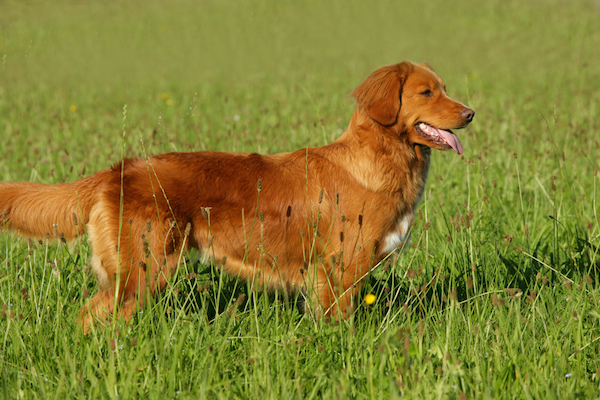
Originally bred in the early 19th century to lure and retrieve waterfowl, the Nova Scotia Duck Tolling Retriever has a colorful history and unique set of talents that make them an increasingly popular companion for active and outdoorsy dog lovers. With their vibrant red coat, athletic build, and friendly, intelligent disposition, Tollers are an eye-catching and capable medium-sized gundog.
History and Development
The Nova Scotia Duck Tolling Retriever was developed in the Little River district of Yarmouth County, Nova Scotia in the early 1800s. The breed‘s exact origins are unknown, but it‘s thought that a variety of breeds contributed to the Toller‘s development, including the Irish Setter, Golden Retriever, Chesapeake Bay Retriever, Brittany Spaniel, farm collies, and possibly even the Dutch Kooikerhondje, a small spaniel-type breed used for tolling in the Netherlands.
Originally known as the Little River Duck Dog or Yarmouth Toller, the breed was carefully developed by hunters to both lure and retrieve waterfowl in the icy waters off the coast of Nova Scotia. The breed gets its name from its unique hunting style called "tolling" – a behavior that involves romping and playing along the shoreline in full view of flocks of ducks, occasionally disappearing from sight and then quickly reappearing, which piques the curiosity of the ducks and lures them within gunshot range.
The playful antics that Tollers use to lure waterfowl is thought to mimic the behavior of foxes, which also stirs the curiosity of ducks. Once the ducks are within range and the hunters shoot, the Toller eagerly leaps into the cold water to retrieve the fallen birds. Their smaller size compared to other retrievers allows them to nimbly navigate a small hunting boat filled with hunters and gear.
The breed gained official recognition with the Canadian Kennel Club in 1945 under the name Nova Scotia Duck Tolling Retriever. The breed was later recognized by the American Kennel Club in 2003. Today, Tollers rank 87th out of 195 AKC registered breeds in popularity, a jump from 110th a decade ago, showing their rising status as a family companion.
Physical Characteristics
Nova Scotia Duck Tolling Retrievers are medium-sized sporting dogs with a powerful, compact, and muscular build. Males typically stand 18-21 inches tall at the shoulder and weigh 44-51 pounds, while females are slightly smaller at 17-20 inches tall and 37-44 pounds.
One of the Toller‘s most striking features is their rich, red coat color, which can range from a golden red to a deep coppery color, often with white markings on the chest, feet, and tail tip. The breed‘s medium-length double coat is designed to protect them from icy Atlantic waters, with a soft, dense undercoat and straight or slightly wavy outer hairs that are water-repellent. Tollers have a fox-like appearance with their almond-shaped eyes, triangular ears, and slightly upturned brush tail.

Temperament and Training
Nova Scotia Duck Tolling Retrievers are known for their friendly, outgoing nature and strong working drive. As active, sporty dogs bred to hunt and retrieve, Tollers need plenty of daily exercise and mental stimulation to be happy and well-behaved companions. Tollers that don‘t get enough activity and engagement are prone to destructive chewing, excessive barking, and other problem behaviors.
Bred to work closely with hunters, Tollers bond closely with their human companions and love being included in all family activities. While not as overtly friendly as Golden Retrievers, Tollers are still affectionate, even-tempered dogs that typically get along well with children and other dogs. Some Tollers may have a high prey drive that causes them to chase smaller pets like cats or rabbits. Interactions between Tollers and other animals should be closely supervised, especially if they are not raised together.
Most Tollers have an alert, inquisitive nature and are naturally reserved with strangers, which combined with their propensity for barking, makes them good watchdogs. Tollers need plenty of socialization from an early age to prevent aloofness or skittishness as adults.
The intelligent, eager-to-please Toller is highly trainable and typically excels in dog sports like obedience, agility, rally, tracking, flyball, and dock diving. Many Tollers also put their exceptional scenting abilities to use in more serious roles like search-and-rescue, bomb detection, and as professional therapy dogs and hearing assistance dogs.
Despite their trainability, Tollers can be independent thinkers with a mischievous streak. Tollers need a firm, patient trainer that can laugh at their antics while still enforcing consistent rules and boundaries. Positive reinforcement methods work best with this sensitive breed, as they may shut down with harsh corrections.
Like many sporting dogs, Tollers can be mouthy and need to be taught polite manners with games like tug-of-war and retrieving drills. Providing constructive outlets for their natural retrieving and scenting drives through play, nose work, or field trials is important to keep Tollers mentally stimulated.
Health and Care
Nova Scotia Duck Tolling Retrievers are generally healthy dogs with an average lifespan of 12-14 years. However, like all breeds, they can be prone to certain genetic health conditions. Responsible Toller breeders conduct pre-breeding health screenings for issues such as:
-
Hip dysplasia: an abnormal formation of the hip socket that can lead to lameness and arthritis. 22% of Tollers evaluated by the Orthopedic Foundation for Animals were dysplastic.
-
Progressive Retinal Atrophy (PRA): a degenerative eye disorder that eventually causes blindness. About 4% of Tollers are carriers of the PRA gene.
-
Juvenile Addison‘s Disease: a rare endocrine disorder affecting the adrenal glands. Estimated to affect less than 1% of the breed.
-
Autoimmune thyroiditis: a thyroid disorder that is more common in female Tollers. Can cause skin and coat problems, weight gain, and lethargy. Affects an estimated 3% of the breed.
Tollers have a medium-length double coat that sheds somewhat year-round and heavily during shedding season. Weekly brushing is important to prevent matting and remove loose fur. Many Tollers have an affinity for rolling in smelly items, so regular baths may be needed. The Toller‘s pendant ears should be checked regularly for signs of infection, and the teeth should be brushed often using a dog-safe toothpaste.
As high-energy sporting dogs, Nova Scotia Duck Tolling Retrievers require at least an hour of intense physical activity per day, and more is better. If not given a proper outlet for their boundless energy, Tollers may resort to hyperactive or destructive behaviors. Fortunately, there are countless ways to exercise a Toller‘s body and mind, including:
- Swimming and dock diving
- Retrieving games on land or water
- Hiking and running
- Dog sports like agility and flyball
- Nose work and tracking games
- Puzzle toys and interactive treat dispensers
Access to a securely fenced yard or acreage is ideal for a Toller to romp and play in. Tollers have a tendency to jump and climb, so fences should be at least 5-6 feet high. This water-loving breed also appreciates having a kiddie pool to splash around in during the summer months.
Is a Nova Scotia Duck Tolling Retriever Right For You?
If you‘re considering adding a Nova Scotia Duck Tolling Retriever to your family, it‘s important to carefully evaluate whether you can meet this active breed‘s needs. Tollers may not be a good fit for first-time dog owners, those who are away from home for long hours, or anyone looking for a lazy couch potato dog.
The ideal Toller owner is an active individual or family committed to providing plenty of exercise, training, and companionship. Tollers do best with an owner that enjoys the outdoors and can include the dog in activities like hiking, camping, swimming, and playing fetch.
If you think a Toller may be your perfect match, it‘s important to do your research and find a reputable breeder that conducts appropriate health testing and provides a written contract with a health guarantee. Avoid purchasing a Toller from a pet store or online retailer, which may source their puppies from puppy mills.
When interviewing potential breeders, inquire about their experience with the breed, proof of health screenings, and whether the parents have any working or performance titles. Observe the temperament and living conditions of the parents and puppies, and don‘t be afraid to ask for references.
Toller Trivia and Fun Facts
- Tollers are the smallest of the retriever breeds, typically weighing 30-50 pounds less than a Labrador Retriever.
- In 1995, a Toller named Odin saved a woman from drowning in the icy Puntledge River in British Columbia, swimming over 100 feet and towing her to shore by her sweater.
- While still rare in the United States, Tollers are the 15th most popular breed in Canada according to the Canadian Kennel Club.
- The Toller is the official provincial dog of Nova Scotia.
- Famous Toller owners include actress Courteney Cox, singer Randy Bachman, and Nova Scotian Sarah McLachlan, who featured her Tollers in several music videos.
In conclusion, the Nova Scotia Duck Tolling Retriever is a beautiful, energetic breed with a unique history and set of talents. While they may not be ideal for every owner, those willing to meet their needs for exercise and companionship will be rewarded with an affectionate, good-natured dog that excels as an outdoor adventure partner, athlete, and devoted family member.
With their striking red coat, friendly demeanor, and zest for life, Tollers have a special ability to melt hearts and keep their owners laughing with their entertaining antics. If you‘re looking for a dog to be your constant sidekick through all of life‘s adventures, consider the versatile and charming Nova Scotia Duck Tolling Retriever.