
Fawn (Isabella) Dachshund: Info, Pictures, History & More

Fawn (Isabella) Dachshund: A Comprehensive Guide
If you‘re charmed by the unique appearance and big personality of dachshunds, the beautiful fawn coat color may catch your eye. Also known as Isabella, this light tan shade has a subtle yellow undertone that gives fawn dachshunds an elegant, almost glowing appearance. While fawn is one of the less common dachshund colors, these special pups are just as lively, loyal and lovable as their red, black and tan counterparts.
Whether you‘re considering adding a fawn Isabella dachshund to your family or are just a fan of the breed, this in-depth guide will tell you everything you need to know. We‘ll cover the history of dachshunds, what makes the fawn color unique, the breed‘s key characteristics, and how to care for one of these charming "wiener dogs."
The Daring Dachshund: Breed History
The dachshund breed originated in Germany, with the earliest references dating back to the 16th century. Dachshund literally translates to "badger dog" in German, which points to the breed‘s original purpose. These low, long, and fearless dogs were developed to hunt badgers and other burrowing animals like rabbits and foxes.
German breeders carefully crafted the dachshund to be perfectly suited for pursuing prey into underground dens. Their short legs allowed them to navigate narrow tunnels with ease. The long, muscular body and paddle-shaped paws made them excellent diggers. And the larger than expected lung capacity gave them the stamina to keep up the chase.
But above all, it was the dachshund‘s bold, tenacious personality that made them such skilled small game hunters. Facing a badger head on in its den takes an abundance of courage, determination, and grit – all traits the tough little dachshund possesses in spades.
While today‘s dachshunds are more likely to be burrowing under blankets than hunting badgers, they still retain the lively, stubborn, and bravely independent nature of their ancestors. This big personality in a compact body has made the dachshund a popular companion dog for centuries.
The Fawn Dachshund Color
The fawn or Isabella coat is a light grayish-yellow tan color, almost like a dulled out version of the more common shades of tan and red seen in dachshunds. Some fawn dachshunds may have slight shading, but the color will be solid and even all over, without any strong contrast or pronounced patterns.
Different kennel clubs classify the fawn color in different ways:
-
American Kennel Club: Fawn is considered an "alternate" color rather than a standard color for dachshunds. However, fawn and tan as well as fawn and cream are both standard combinations.
-
United Kennel Club: The UKC doesn‘t specifically list fawn, but cream, wheaten, and "lighter shades of red" all fall under accepted colors for dachshunds.
-
Federation Cynologique Internationale: The FCI, which includes kennel clubs in Europe and beyond, recognizes fawn (Isabella) as a standard color for dachshunds. They also acknowledge additional fawn pattern combinations like fawn brindle and fawn dapple.
No matter how it‘s classified, the fawn color is much rarer than the red and black/tan coats most commonly seen in dachshunds today. That unique coloring paired with the breed‘s endearingly quirky looks are guaranteed to turn heads and capture hearts wherever a fawn Isabella dachshund goes!
Dachshund Breed Characteristics
The distinct appearance of dachshunds may be what first draws people to the breed, but it‘s their bigger than life personalities that really win people over. Though small in stature, dachshunds are known for having an oversized confidence and bold, take-charge attitudes.
Some key dachshund characteristics include:
- Lively, energetic, and always up for playtime or an adventure
- Clever, curious minds that need plenty of mental stimulation
- Independent with a stubborn streak, yet still deeply devoted to their humans
- Courageous with a surprisingly loud, hound-like bark – they make excellent little watchdogs
- Friendly and outgoing, though they can have a mischievous side
- May have a high prey drive and eagerly pursue small animals
Overall, dachshunds tend to be active, animated companions with a zest for life and a fondness for being the center of attention. While their independent nature means they require patient, consistent training, dachshunds are whip-smart and very capable of learning.
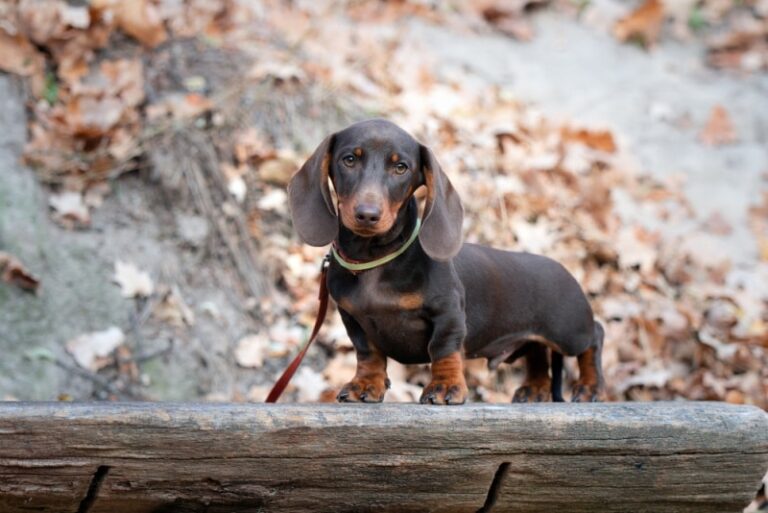
The breed comes in two sizes – standard and miniature. Standard dachshunds typically weigh between 16-32 pounds, while miniatures are 11 pounds and under. Both share the same long, muscular body, short legs, long floppy ears and expressive eyes. And what they lack in height, they more than make up for with their big, vibrant personalities.
Is a Fawn Dachshund a Good Pet?
For the right person or family, a fawn Isabella dachshund can be an ideal companion. They are loyal, affectionate, and up for anything – whether that‘s playtime in the yard, a brisk walk around the neighborhood, or just lots of cuddles on the couch. Many dachshunds are very people-oriented and want nothing more than to be with their humans.
However, those considering a dachshund should be aware of their potential health concerns, high exercise needs, and strong-willed stubbornness. Dachshunds are prone to back problems due to their long spines, so care must be taken to limit jumping and rough play. Investing in ramps or stairs can help them more safely navigate furniture.
That bold dachshund personality is part of their charm, but it also means they need confident, consistent training from puppyhood. Dachshunds can definitely be willful at times and will gleefully take charge if they sense their humans are pushovers. Positive reinforcement training is a must to channel their smarts and eagerness in productive ways.
Dachshunds also have high exercise needs and can become bored and destructive if not provided with enough mental and physical stimulation. A couple brisk 30+ minute walks plus plenty of playtime each day is ideal. They also have a loud, hound-like bark and strong prey drive, so care must be taken to curb nuisance barking and chasing of other small pets from an early age.
If you can meet their needs, dachshunds are adaptable little dogs that do well in many living situations, including apartments. They are good with children when raised together and interactions are supervised. Overall, fawn dachshunds are charming, entertaining, loving companions for moderately active owners ready to devote lots of time and attention to their long, low pals.
Unique Facts About Fawn Dachshunds
Still eager to learn more about the fawn Isabella dachshund? Here are a few fun, unique facts about the breed:
-
Miniature dachshunds were specifically developed to hunt rabbits. Their smaller size allowed them to squeeze into rabbit holes more easily than their standard counterparts.
-
In some European countries, an even smaller version of the dachshund called a "rabbit dachshund" is recognized. Rabbit dachshunds are typically 8 lbs or under.
-
The first Olympic mascot was a colorful dachshund named Waldi designed for the 1972 Munich Olympic Games.
-
The term "hot dog" was coined in the late 1800s and was a direct reference to the dachshund‘s long, rounded body that resembled the popular sausage sandwiches.
-
Famous artists like Pablo Picasso, Andy Warhol, and David Hockney all owned and depicted dachshunds in their artwork. Picasso was said to have over 50 dachshunds in his lifetime!
-
A dachshund named Obie holds the Guinness World Record for the most skateboards jumped over by a dog. He successfully cleared 8 skateboards in 2013.
-
Dachshunds are talented scent hounds and in addition to hunting, have worked jobs in search and rescue, as drug and bomb detection dogs, and even as truffle hunters.
-
Their adorably awkward short-legged, long-bodied shape is caused by a form of canine dwarfism called chondrodysplasia.
-
A pair of tweeting dachshunds from South Africa named Buster and Punch have over 10,000 followers on Twitter!
-
Many celebrities like Adele, Jack Black, Ashley Olsen, Josh Duhamel and Fergie, and Christian Slater are all proud dachshund owners.
Caring for Your Fawn Dachshund
If you bring home a feisty little fawn dachshund, there are a few important things to know about taking the best care of them. Dachshunds are generally hardy little dogs, but their unique build does predispose them to certain health concerns.
It‘s critical to keep dachshund spines healthy by preventing obesity, limiting high impact exercise, and taking care with activities that put pressure on their backs. Ramps or pet stairs should be used instead of allowing dachshunds to jump on and off furniture. Holding a dachshund correctly is also important – always support their rear end instead of holding them at the chest with their back dangling.
Dachshunds need at least an hour of exercise each day, broken up into a couple walks and active playtime. Mental stimulation is also crucial, so puzzle toys, games, and training are great to work their clever minds. But when playing, avoid rough games that involve jumping and twisting.
When it comes to grooming, dachshunds are relatively low maintenance. The breed comes in three coat types – smooth, longhaired, and wirehaired. Smooth coats are short and shiny, just requiring occasional baths and brushing. Long coats need more frequent brushing to prevent tangles, while wirehaired coats should be brushed weekly and professionally groomed a couple times a year.
Dachshunds should be fed a high-quality, appropriately portioned diet to maintain a lean, healthy body condition. Since they are prone to weight gain, free-feeding should be avoided. Measure meals and limit treats and human food. Keeping your fawn dachshund fit will help prevent back problems and other health issues.
Finding a Fawn Isabella Dachshund
If you have your heart set on a fawn Isabella dachshund puppy, be prepared to do your research to find a reputable breeder. Since fawn is a relatively rare color, you may need to join a waiting list. Expect to pay anywhere from $500 to $3500 depending on your location and whether you want a pet quality or show quality pup.
Always look for responsible breeders that health test their dogs, provide a health guarantee, and insist on meeting potential owners in person. Avoid pet stores or online sellers that may be fronts for puppy mills. A good place to start your search is with the Dachshund Club of America‘s breeder directory.
You can also check local dachshund rescues and animal shelters. While fawn dachshunds aren‘t exceptionally common, purebred doxies and mixes do regularly end up in rescue. Adopting an older puppy or adult allows you to skip the crazy puppy stage and can be very rewarding.
Conclusion
The fawn Isabella dachshund may be small in size, but they are big in personality, charm, and heart. With their cheerful nature, clever mind, and endearingly goofy looks, it‘s no wonder dachshunds have been beloved companions for hundreds of years.
If you think a fawn dachshund could be your perfect companion, just be sure you understand their quirks and needs. Dachshunds require plenty of exercise, training, and attention. Their long backs need special care to keep them in good health. And their independent spirit means they aren‘t the right fit for everyone.
But for those willing to put in the time and effort, the rewards of dachshund ownership are immense. Your loyal and lively little buddy will keep you endlessly entertained with their antics and shower you with affection. And who can resist that adorably distinct dachshund shape, especially in an eye-catching fawn Isabella coat?
We hope this guide has given you a comprehensive look at the beautiful fawn dachshund. These spunky little wiener dogs may be small in stature, but they are overflowing with enough love, spirit and personality for dogs twice their size!




%20Dachshund:%20Info,%20Pictures,%20History%20&%20More)