The Papshund: Your Guide to the Ultimate Papillon Dachshund Mix
Introduction
As a veterinarian and lifelong dog lover, I‘m always excited to learn about up-and-coming breeds that are capturing the hearts of pet owners around the world. One such breed is the Papshund, an enchanting cross between the vivacious Papillon and the bold Dachshund. With their unique appearance, lively personality, and adaptable nature, it‘s no wonder Papshunds are becoming increasingly popular.
In this comprehensive guide, we‘ll dive into the fascinating world of Papshunds, exploring their history, characteristics, care requirements, and more. Whether you‘re considering adding a Papshund to your family or simply curious about this delightful breed, you‘ll find all the information you need to make an informed decision.
The History of the Papshund
To fully appreciate the Papshund, it‘s essential to understand the breed‘s origins and the role of designer dogs in modern pet ownership. The Papshund is a relatively new mixed breed, believed to have originated in the United States in the early 2000s. Breeders sought to create a small, active companion dog by crossing the elegant Papillon with the spunky Dachshund.
The Rise of Designer Dogs
The Papshund is just one example of a growing trend in the world of dog breeding: the creation of intentional hybrid dogs, often referred to as "designer dogs." These mixed breed dogs are developed by crossing two purebred parents with the goal of combining the best traits of each breed.
While some argue that designer dogs are merely a passing fad or a way for breeders to charge more for mixed breed puppies, others see the value in creating new breeds that are well-suited for modern lifestyles. As a veterinarian, I believe that the key to responsible breeding, whether purebred or mixed breed, is prioritizing health, temperament, and the well-being of the dogs.
Papillon and Dachshund Histories
To better understand the Papshund, let‘s take a closer look at the histories of its parent breeds:
Papillon: This elegant toy breed, named for its butterfly-like ears, has a rich history dating back to the 16th century. Papillons were favored by European royalty and nobility, often appearing in famous portraits. These intelligent, friendly dogs excel in obedience and agility.
Dachshund: Developed in Germany to hunt badgers and other den-dwelling animals, Dachshunds are known for their long, low bodies and bold, tenacious spirit. They come in two sizes (standard and miniature) and three coat types (smooth, wirehaired, and longhaired). While they now mainly enjoy life as companions, Dachshunds retain their lively, brave nature.
Papshund Characteristics
Now that we‘ve explored the Papshund‘s background, let‘s take a closer look at the breed‘s key characteristics.
Appearance
One of the most striking features of the Papshund is their unique appearance, which can vary depending on which parent breed they most closely resemble. Here are some general physical characteristics of Papshunds:
- Size: Papshunds are small dogs, typically weighing between 8-18 pounds and standing 9-12 inches tall at the shoulder. Males are often slightly larger than females.
- Body: Papshunds usually have a somewhat elongated body, though not as exaggerated as a purebred Dachshund. They have a compact, sturdy build.
- Head: The shape of the Papshund‘s head can vary, but they often have a slightly rounded skull with a moderately pointed muzzle. Their ears may be large and upright like a Papillon, or more moderately sized and folded like a Dachshund.
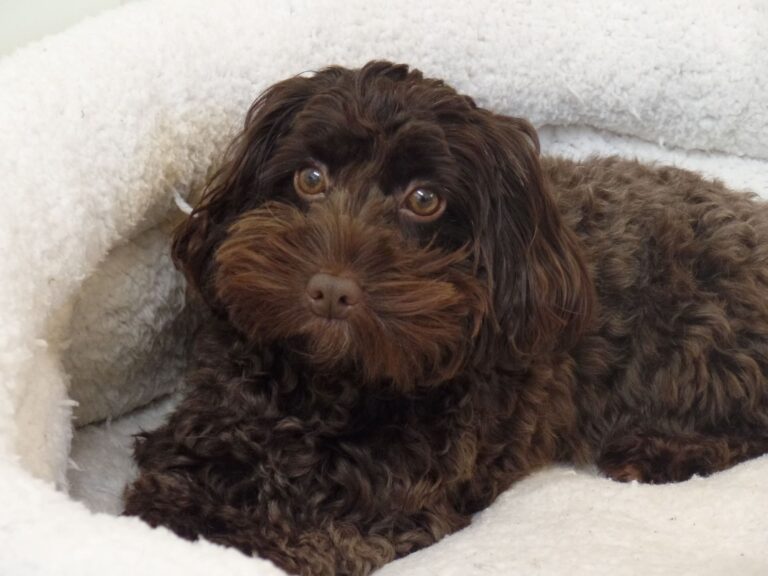
- Coat: Papshunds can inherit a variety of coat types from their parent breeds. Most commonly, they have a medium-length, straight or slightly wavy coat. They may have some feathering on the ears, legs, and tail. Common coat colors include white, black, tan, red, chocolate, and various combinations.
- Tail: The Papshund‘s tail is usually long and carried upright or slightly curved over the back.
Temperament
Papshunds are known for their delightful, affectionate personality. They are intelligent, curious, and engaging dogs who thrive on human companionship. Here are some key traits of the Papshund temperament:
- Affectionate: Papshunds form strong bonds with their owners and love to be involved in all family activities. They often have a special affinity for one person, while still showing love to everyone.
- Lively: These dogs have a playful, energetic spirit and enjoy active play sessions and walks. They are not overly hyper, but they do need regular exercise and mental stimulation.
- Intelligent: Thanks to their Papillon heritage, Papshunds are quick learners who excel in obedience and trick training. They respond well to positive reinforcement and enjoy having a job to do.
- Alert: Papshunds make excellent watchdogs, as they are attuned to their surroundings and will bark to alert you of any suspicious activity. However, they are not typically aggressive or overly yappy.
- Adaptable: These dogs do well in a variety of living situations, from apartments to homes with yards. They are relatively low-maintenance in terms of exercise needs, but do require plenty of attention and interaction.
- Friendly: With proper socialization, Papshunds get along well with children, other dogs, and even cats. They are not typically shy or nervous, but they can be reserved with strangers until they warm up.
Health
Like all breeds, Papshunds can be prone to certain health issues. Many of these stem from the physical characteristics and genetic predispositions of their parent breeds. Here are some potential health concerns to be aware of:
- Patellar Luxation: This is a common orthopedic issue in small breeds where the kneecap slips out of place, causing pain and lameness. Surgery may be required in severe cases.
- Intervertebral Disc Disease (IVDD): Dachshunds are prone to this condition, which occurs when the cushioning discs between the vertebrae bulge or rupture, causing pain, weakness, and even paralysis. Proper weight management and minimizing high-impact activities can help prevent IVDD.
- Dental Issues: Small dogs like Papshunds are prone to dental problems like tooth decay, gum disease, and tooth loss. Regular dental care, including at-home brushing and professional cleanings, is crucial.
- Eye Conditions: Papshunds may inherit eye issues from their parent breeds, such as Progressive Retinal Atrophy (PRA), cataracts, and dry eye. Regular eye exams can help catch these issues early.
- Skin Allergies: Some Papshunds may be prone to skin allergies, which can cause itching, redness, and hair loss. Identifying and eliminating allergens, as well as proper skin and coat care, can help manage these issues.
Here is a comparison of some key health stats between Papshunds and their parent breeds:
| Breed | Average Lifespan | Common Health Issues |
|---|---|---|
| Papshund | 12-16 years | Patellar Luxation, IVDD, Dental Issues, Eye Conditions, Skin Allergies |
| Papillon | 13-15 years | Patellar Luxation, Dental Issues, Eye Conditions, Hypoglycemia |
| Dachshund | 12-16 years | IVDD, Dental Issues, Skin Allergies, Cushing‘s Disease, Hypothyroidism |
Data sourced from the American Kennel Club and various breed-specific health surveys.
It‘s important to note that not all Papshunds will develop these health issues, and proper care can go a long way in preventing or managing many of these concerns. When selecting a Papshund breeder, look for one who performs health screenings on their breeding dogs and is transparent about any health issues in their lineage.
Caring for Your Papshund
Papshunds may be relatively low-maintenance compared to some breeds, but they still require proper care to thrive. Here‘s what you need to know about meeting your Papshund‘s needs.
Feeding
Proper nutrition is essential for your Papshund‘s health and longevity. Choose a high-quality dog food formulated for small breeds, and follow the feeding guidelines based on your dog‘s age, weight, and activity level. Avoid overfeeding, as Papshunds can be prone to obesity.
Puppies under 6 months should be fed 3-4 small meals per day, while adult Papshunds typically do well with two meals per day. Always provide access to fresh, clean water.
Some recommended food brands for Papshunds include:
- Royal Canin Small Breed
- Wellness Complete Health Small Breed
- Hill‘s Science Diet Small & Mini Adult
Exercise
Despite their small size, Papshunds do need regular exercise to stay healthy and happy. Aim for at least 30-45 minutes of moderate exercise per day, broken up into shorter sessions. This can include walks, playtime in a securely fenced yard, and indoor games like fetch or tug-of-war.
Papshunds also benefit from mental stimulation, so provide plenty of interactive toys, puzzle feeders, and training sessions to keep their minds engaged.
Grooming
The grooming needs of your Papshund will depend on their coat type. Most Papshunds have a medium-length coat that requires brushing a few times a week to prevent tangles and remove loose fur. They may need more frequent brushing during shedding seasons.
Bathe your Papshund as needed, typically every 4-8 weeks, using a mild dog shampoo. Trim their nails every 2-4 weeks, and check their ears weekly for signs of infection, such as redness, odor, or discharge. Brush their teeth daily, if possible, or at least a few times a week.
Training and Socialization
Papshunds are intelligent and eager to please, making them generally easy to train. However, they can also have a stubborn streak, so patience and consistency are key. Use positive reinforcement techniques like praise, treats, and play to encourage good behavior.
Start training your Papshund as early as possible, focusing on basic obedience commands like sit, stay, come, and heel. Socialization is also crucial to help your Papshund develop into a well-adjusted, friendly dog. Expose them to a variety of people, animals, and environments from a young age, always ensuring the experiences are positive.
Some common behavior issues to watch out for in Papshunds include:
- Separation anxiety: Papshunds can become very attached to their owners and may experience distress when left alone. Gradual training and desensitization can help them learn to cope with alone time.
- Barking: Papshunds may be prone to excessive barking, especially if they are bored or anxious. Consistent training and providing plenty of mental stimulation can help curb this behavior.
- Resource guarding: Some Papshunds may be protective of their food, toys, or sleeping areas. Teach them to associate people approaching their resources with positive experiences, and never punish growling or warning signs, as this can escalate the behavior.
Enrolling in a puppy socialization class or obedience training course can be a great way to set your Papshund up for success and build a strong bond with your new companion.
Finding Your Papshund
If you‘ve decided that a Papshund is the right dog for you, there are a few different ways to go about finding your new companion.
Breeder
One option is to purchase a Papshund puppy from a reputable breeder. Look for a breeder who specializes in Papshunds and is knowledgeable about the parent breeds. A responsible breeder will:
- Perform health screenings on their breeding dogs
- Provide health guarantees for their puppies
- Allow you to visit their facility and meet the parents
- Ask you questions about your lifestyle and experience to ensure their puppies are going to suitable homes
- Provide references from previous puppy buyers
Avoid breeders who always seem to have puppies available, cannot provide health records, or are unwilling to answer your questions. A reputable breeder will be an invaluable resource throughout your Papshund‘s life.
Rescue
Another great option is to adopt a Papshund from a rescue organization or animal shelter. Many Papshunds end up in rescue due to no fault of their own, often because their owners can no longer care for them. Adopting an adult Papshund allows you to skip the challenging puppy stage and often means a lower adoption fee than purchasing from a breeder.
Start by searching for Dachshund or Papillon specific rescue organizations in your area, as they may have Papshund mixes available. You can also check local animal shelters and online adoption websites like Petfinder or Adopt a Pet.
When adopting a Papshund, be prepared to provide information about your home, lifestyle, and experience with dogs. Most rescues have an application process and may require a home visit to ensure their dogs are going to suitable homes.
Conclusion
Papshunds are truly a delightful breed, offering the best of both worlds with their charming Papillon and bold Dachshund heritage. As a veterinarian and dog lover, I can confidently say that these lively little dogs make wonderful companions for the right person or family.
Their affectionate nature, adaptable lifestyle, and relatively low-maintenance care requirements make them an excellent choice for first-time dog owners, apartment dwellers, and those looking for an engaging, compact companion. With proper training, socialization, and care, a Papshund will bring joy, laughter, and love to your life for many years to come.
Of course, no breed is perfect for everyone, and it‘s essential to carefully consider your lifestyle and expectations before bringing any dog into your home. If you have the time, patience, and commitment to dedicate to a Papshund, you‘ll be rewarded with a loyal, loving friend who will always be by your side.
I hope this comprehensive guide has given you a thorough understanding of the Papshund breed and helped you determine if this delightful dog is the right fit for you. Remember, responsible dog ownership begins with education and preparation, and I commend you for taking the time to learn about this wonderful breed.
If you have any further questions or concerns about Papshunds or any other aspect of dog care, don‘t hesitate to reach out to your veterinarian or a qualified dog trainer. They can provide personalized guidance and support to help you and your new companion thrive together.
Wishing you all the best in your journey with your new furry friend!