The Picardy Spaniel: Gentle Hunter and Rare Companion
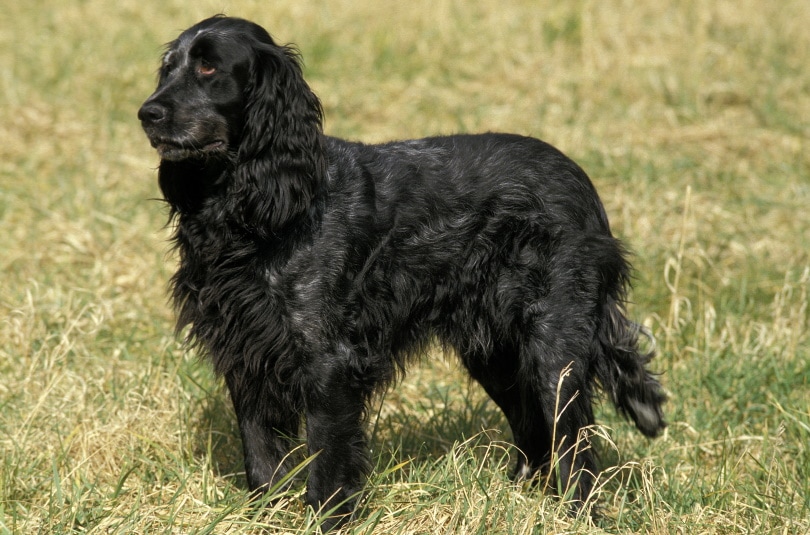
The Picardy Spaniel is a dog breed that even many spaniel enthusiasts have never heard of, let alone met in person. But for those who have been captivated by these striking gray and brown gundogs, the Picardy combines the best of the spaniel world: a sensitive, trainable nature; a tireless work ethic; and an eye-catching, aristocratic appearance. While they may be one of the rarest breeds in the world today, the Picardy‘s devoted fans believe this French spaniel is a hidden gem just waiting to be discovered by more dog lovers.
A Noble History
The Picardy Spaniel‘s story begins, unsurprisingly, in the Picardy region of northern France. This area‘s mix of farmland, forests, and wetlands created the perfect environment for developing a versatile hunting dog able to pursue many types of game. Hunters needed a spaniel not only skilled at flushing and retrieving game birds, but also with the endurance and weather-resistant coat to work long days in wet, cold conditions.
The result was the Picardy Spaniel, whose elegant good looks and impressive hunting prowess caught the eye of the French nobility and upper classes in the 19th century. The breed became a fashionable choice among the French gentry, both as a working gun dog and a stylish companion. Paintings and drawings from the era depict Picardys accompanying their wealthy owners on hunts and posing regally in the grand estates of the time.
But the Picardy‘s privileged status couldn‘t protect them from the devastation of the World Wars that followed. Like many European breeds, their numbers plummeted during wartime, especially in World War II when much of northern France was occupied and breeding stock scattered or lost. The post-war years found the Picardy Spaniel teetering on the brink of extinction.
Dedicated breeders worked diligently to gather the remaining Picardys and revive the breed in the latter half of the 20th century. The French Spaniel Club played a key role in setting breed standards and promoting the Picardy‘s cause. But while their numbers have slowly climbed, this beloved French spaniel remains exceedingly rare to this day. Recent estimates suggest there are only about 300 Picardy Spaniels worldwide, with the majority still located in France.
The Picardy Look
The Picardy‘s appearance perfectly encapsulates their dual role as a hardworking hunting companion and a chic, graceful French spaniel. Males typically stand 22-24 inches at the shoulder, weighing 45-55 pounds, with females being slightly smaller all around.
Their medium-length coat is a striking gray color with chestnut brown patches, providing natural camouflage in the field. The coat‘s texture is designed to be weather and thorn-resistant, protecting the dog during long days hunting in rough terrain and wet conditions. Strong, muscular legs and a deep chest equip the Picardy with the stamina and athleticism to tirelessly pursue game from dawn to dusk.
The Picardy‘s head is refined and elegant, with the soulful, almond-shaped eyes and lush ears typical of spaniels. Their expression is described as having "a touch of melancholy," reflecting the breed‘s renowned sensitivity and gentle nature.
Temperament and Training
As much as the Picardy Spaniel was developed as a superb hunting dog, the spaniel personality also shines through in their role as devoted companions. These are deeply affectionate, people-oriented dogs that crave human interaction and companionship. They are known for their incredible sensitivity to their owners‘ moods and aim to please in all things.
This biddable nature makes Picardys highly trainable, but with some important caveats. As soft-tempered dogs, they respond very poorly to harsh corrections or forceful training methods. Picardys do best with positive reinforcement, patience, and a gentle touch in training. Even a stern tone can cause them to shut down. But when treated with fairness and kindness, Picardys are typically a breeze to train, learning quickly and eagerly.
That said, the Picardy‘s hunting instincts cannot be forgotten, even for dogs in companion homes. Bred to have an indefatigable drive to pursue prey, Picardys have high exercise needs and a strong desire to chase things that run. They require secure physical and mental stimulation every day to be happy, well-behaved house dogs.
Compared to some of their spaniel cousins like the English Springer and Cocker Spaniels, Picardys tend to have a somewhat less "busy" and high-strung personality. They are often described as having an "off switch" and being able to relax at home as long as their exercise needs are met. Many Picardys can adapt well to suburban or even urban living with sufficient daily outings.
But Picardys are still very much gundogs at heart. They have an extremely high prey drive and will gladly chase after and potentially kill small furry creatures like rabbits, squirrels, and cats if given the chance. A securely fenced yard is a must, as is keeping the Picardy on leash during walks to avoid any impromptu hunting expeditions.
With other dogs, Picardys tend to be amiable and friendly playmates when well socialized from a young age. Many enjoy having a fellow canine companion to romp and wrestle with. But their high prey drive can make them incompatible with smaller pets like cats or rabbits in the household. Even with early exposure, many Picardys will view small animals as potential prey to pursue rather than friends.
Grooming Needs
The Picardy‘s medium-length coat is relatively low maintenance for a spaniel. Weekly brushing is typically sufficient to keep the coat free of tangles and mats, with a bit more frequency during seasonal shedding periods. Occasional baths are necessary to keep the Picardy fresh and clean, especially after a romp through mud or water. But over-bathing can strip the coat of its natural oils and lead to skin irritation, so a good rule of thumb is to bathe only when the dog is visibly dirty or smelly.
Like all spaniels, the Picardy‘s long, floppy ears need regular cleaning and inspection to prevent painful ear infections. Those luxurious spaniel ears may be beautiful, but they can easily trap dirt, debris, and moisture, creating the perfect environment for bacterial and yeast overgrowth. Ask your veterinarian to show you how to gently clean your Picardy‘s ears at home and monitor them for any signs of redness, discharge, or foul odor.
Other grooming needs include regular nail trims to keep the feet in good condition and prevent painful overgrowth. This is especially important for Picardys that are primarily companion dogs and may not wear their nails down naturally as much as their hard-hunting field counterparts.
Dental care is also crucial for the Picardy‘s overall health and longevity. Like many spaniels, the breed can be predisposed to dental disease if their teeth are not kept clean through routine brushing and professional cleanings as needed. Left unchecked, dental infections can lead to tooth loss, difficulty eating, and even systemic health issues as bacteria enters the bloodstream.
Health Concerns
As a breed with a small global population and limited genetic diversity, the Picardy Spaniel is more vulnerable to certain inherited health issues than some more common breeds. However, responsible breeders are working hard to identify and screen for these problems in their breeding stock to improve the overall health and longevity of the breed.
One of the most prevalent issues in the Picardy is hip dysplasia, a developmental malformation of the hip joint that can lead to pain, lameness, and arthritis. According to the Orthopedic Foundation for Animals (OFA), 19.8% of Picardy Spaniels evaluated have been diagnosed with hip dysplasia, compared to an average of 17.3% across all breeds. Responsible breeders screen their breeding dogs using x-rays and only breed those with hips rated as fair, good, or excellent by the OFA.
Other health concerns seen in the breed include eye problems like entropion (a condition where the eyelid rolls inward, causing irritation) and epilepsy. Some lines may also be prone to certain cancers, skin allergies, and autoimmune disorders. But with proactive health testing and selective breeding practices, many Picardy Spaniels are able to live long, healthy lives of 12-14 years or more.
As with any breed, Picardy owners must be vigilant about keeping their dogs at a healthy weight through proper diet and exercise. Obesity is a major risk factor for many chronic health problems in dogs and can significantly shorten their lifespan. Picardys in particular can be prone to packing on the pounds if they are not kept active, so free feeding is discouraged.
Finding Your Picardy
For dog lovers interested in sharing their life with a Picardy Spaniel, patience and persistence are essential. With so few puppies born each year worldwide, waiting lists are the norm and litters may be planned years in advance. In the United States and Canada, there are only a handful of registered Picardy breeders, most of whom have waiting lists or infrequent litters.
Prospective owners should budget anywhere from $2,000 to $3,500 or more for a well-bred Picardy puppy from health-tested parents. Some breeders may require a deposit to join their waiting list, as well as references and a thorough application process to ensure each puppy is placed in a suitable home.
When looking for a responsible Picardy breeder, there are several key questions to ask and factors to consider:
- Do they perform health testing on their breeding dogs, including OFA hip evaluations and screening for eye and other inherited disorders?
- Are they active in the breed community and do they compete with their dogs in conformation, field trials, or other events to prove their dogs‘ qualities?
- Do they provide a written contract detailing their health guarantee, spay/neuter requirements, and other terms of sale?
- Do they offer lifetime support and guidance to their puppy buyers and require that the dog be returned to them if the owner can no longer keep them at any point?
- Are they up-front about the breed‘s potential health issues, grooming needs, and exercise requirements?
- Do they allow and encourage potential buyers to visit their home or kennel to see the dogs in person and assess the conditions they are raised in?
Red flags to avoid when Picardy puppy shopping include breeders who always have puppies available, cannot provide health certifications on their dogs, or do not ask you any questions about your lifestyle and plans for the puppy. Responsible breeders are typically more concerned with placing puppies in appropriate homes than making a quick sale.
Living with a Picardy
As a Picardy owner, you may often find yourself being a breed ambassador everywhere you go. From the vet‘s office to the dog park, most people have never seen or heard of this rare spaniel, so be prepared for curious questions and comments about your dog‘s unique appearance and background.
The breed‘s rarity can also make it challenging at times to find local resources catering to their specific needs. Many veterinarians, groomers, and trainers may be unfamiliar with the Picardy‘s characteristics and quirks, so being your dog‘s best advocate is important. Connecting with the broader Picardy community online and learning from more experienced owners can help bridge these gaps.
While no two individual dogs are exactly the same, the Picardy Spaniel is often an excellent fit for active, outdoorsy owners who appreciate a dog with natural hunting skills and the desire to be a devoted member of the family. They can adapt well to many living situations as long as they receive enough daily exercise, mental stimulation, and human interaction.
Picardy owners often say that there‘s just something special about the bond they share with their dogs. The breed‘s signature sensitivity and eagerness to please create a deep, intuitive connection between Picardy and person. With their endearing expressions and gentle, affectionate nature, Picardys have a knack for worming their way into the hearts of everyone they meet.
But the Picardy‘s exercise needs and hunting drive are not a good fit for every household. Novice owners or those with very young children may find the breed‘s activity level and chase instincts difficult to manage. Plenty of time and space to run, play, and explore are essential to keeping a Picardy physically and mentally fulfilled.
So while you may not encounter another Picardy at your local dog park or hiking trail, this rare and captivating spaniel has earned its reputation as one of the dog world‘s best kept secrets. For those seeking a gentle but spirited companion, a tireless hunting partner, and an all-around beautiful dog, the Picardy Spaniel just might be the gem you‘ve been searching for.