The Pomapoo Dog Breed: A Comprehensive Guide for 2026

Are you looking for an adorable, affectionate, and intelligent small dog breed? Look no further than the Pomapoo! This charming hybrid cross between a Pomeranian and a Toy or Miniature Poodle has been steadily rising in popularity in recent years—and for good reason.
With their cute teddy bear-like appearance, loving personality, and adaptability to apartment living, Pomapoos can make wonderful companion dogs. However, this relatively new mixed breed is not for everyone. Their small size, grooming needs, and potential health issues are all important factors to consider.
In this in-depth guide, we‘ll cover everything you need to know about the Pomapoo dog breed, including their history, characteristics, care requirements, and more. By the end, you‘ll have a clear idea if this adorable pooch is the right fit for you and your lifestyle. Let‘s dive in!
Origin and History of the Pomapoo
The Pomapoo dog breed emerged fairly recently, likely within the last 20-30 years, as designer dogs and Poodle mixes (like Labradoodles and Goldendoodles) started becoming trendy. As a hybrid of two purebreds, the Pomeranian and the Toy or Miniature Poodle, Pomapoos are not an officially recognized breed by major kennel clubs.
The Pomapoo‘s parent breeds, however, have much longer histories. Pomeranians descend from large sled dogs in the Arctic and were later downsized through breeding smaller specimens. They became popular companion dogs among royalty in the 18th century. Toy and Miniature Poodles originated in Germany as smaller versions of the larger Standard Poodle, bred down in size over time.
Crossing these two small breeds results in the Pomapoo (also called Pompoo, Pooranian, or Pomeroodle)—a little dog with a lot of personality! Let‘s take a closer look at their appearance and physical characteristics next.
Pomapoo Characteristics and Appearance
Since the Pomapoo is a relatively new mixed breed, there is no breed standard for their appearance. They can take after either parent breed to varying degrees. In general, though, here‘s what you can expect in a Pomapoo:
Size and Weight
Pomapoos are considered a small dog breed. Most stand around 8-10 inches tall and weigh between 5-15 pounds when fully grown, with females usually on the lower end of that range. Their small stature makes them a good fit for apartment life.
Coat and Colors
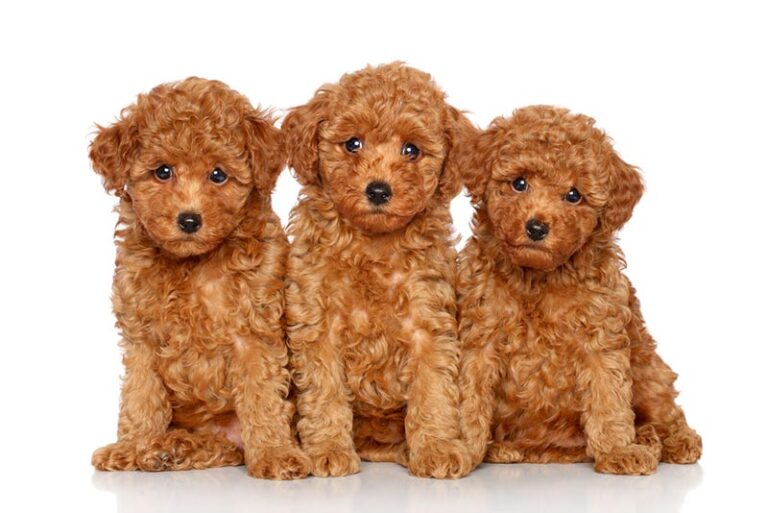
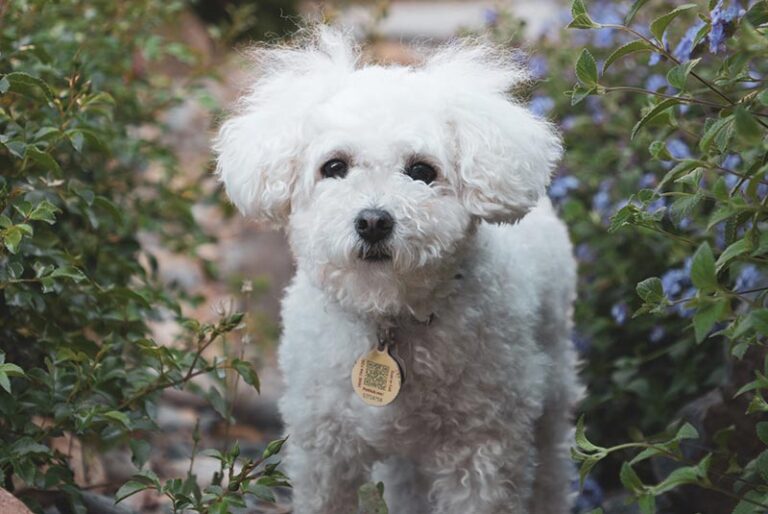
A Pomapoo‘s coat can vary quite a bit depending on which parent breed they favor. They typically have medium-length fur that is soft, dense, and either straight or wavy. They may have the thick double coat of the Pomeranian or the curly, low-shedding coat of the Poodle.
Pomapoos come in a variety of colors including black, white, cream, red, sable, brown, and multi-colored patterns. Lighter colored Pomapoos are more prone to tear stains under their eyes.
Facial Features
Pomapoos have round, expressive eyes, a short muzzle, and small, erect ears. Coupled with their fluffy coats, this gives them an eternally cute, puppy-like appearance that many people find irresistible.
Now that you have a sense of what Pomapoos look like, let‘s explore their temperament and personality traits.
Pomapoo Temperament and Personality
Pomapoos are known for being affectionate, intelligent, and attuned to their humans. They combine the lively, curious nature of Pomeranians with the eager-to-please attitude of Poodles. While each individual dog‘s personality will be unique, here are some common Pomapoo traits:
Loving Lapdogs
Pomapoos love nothing more than being with their owners. They form very strong bonds with their humans and always want to be near them. This breed is happiest curled up on the couch with you and getting pets and attention.
Alert and Vocal
Both Pomeranians and Poodles tend to be alert and vocal little dogs, so Pomapoos often inherit these watchdog instincts. They will likely bark to alert you of any sights and sounds around your home. On the plus side, they make great little guard dogs, but their barking may need to be kept in check.
Intelligent and Trainable
Pomapoos are very smart little dogs thanks to the influence of the highly intelligent Poodle. They are quite trainable and thrive on mental stimulation through learning tricks, solving puzzle toys, and engaging in obedience work. Positive reinforcement training methods work well with this sensitive breed.
Adaptable to Your Lifestyle
Whether you live an active lifestyle or are more low-key, the Pomapoo can adapt. They enjoy short walks, romps in the yard, and playtime, but are also content chilling with you at home. This adaptability combined with their compact size makes them well-suited to apartment and city life.
Exercise Needs
Pomapoos have moderate exercise needs. While they are energetic and lively little dogs, they don‘t require a ton of intensive exercise. Daily walks plus some active playtime and mental stimulation are usually sufficient to keep them happy and healthy.
Aim for 30-60 minutes of exercise per day, broken up into a few short walks and play sessions. Playing fetch, doing training sessions, and providing puzzle toys are great ways to exercise their minds and bodies. Just keep an eye on them in hot weather and don‘t over-exert them due to their short snouts.
Training and Socialization
Early training and socialization are essential for Pomapoos. While they are intelligent and eager to please, they can also inherit a bit of a stubborn streak. Establish yourself as a gentle but firm leader early on.
Enroll your Pomapoo puppy in socialization classes to get them used to different people, dogs, sights and sounds. Keep training sessions short and fun. Pomapoos respond far better to positive reinforcement with treats and praise than harsh corrections. With consistent training and clear boundaries, they can become very well-mannered companions.
As with any small dog, make sure to teach children how to properly interact with your Pomapoo. They can be easily injured if handled roughly. Always supervise interactions between kids and dogs.
Grooming and Care
Pomapoos have moderate to high grooming needs, depending on their coat type. Their soft, dense coats require regular brushing to prevent mats and tangles, especially if they inherit the Poodle‘s curly locks.
Brush your Pomapoo at least a few times a week, and consider taking them to the groomer every 4-8 weeks for a trim or clip. They will also need regular nail trims, ear cleanings, and dental care. Small breed dogs are prone to dental issues, so brush their teeth often with a dog-safe toothpaste.
Pomapoos may develop tear stains under their eyes, especially lighter colored ones. Gently wipe their eyes daily with a damp cloth and keep the fur trimmed to minimize staining. A healthy diet and plenty of water can also help prevent excessive tearing.
Potential Health Issues
Like all dog breeds, Pomapoos are prone to certain hereditary health conditions. While mixed breed dogs are thought to have more genetic diversity than purebreds, Pomapoos can still inherit issues common to their parent breeds such as:
- Luxating patellas (slipping kneecaps)
- Collapsing trachea
- Dental disease
- Eye problems like cataracts or glaucoma
- Skin allergies
- Hypothyroidism
Not all Pomapoos will get these conditions, but it‘s important to be aware of them. Choose a reputable breeder who health tests their dogs and provides health guarantees. Feed your pup a high quality diet, keep them at a healthy weight, and stay up-to-date on preventive vet care to promote a long, healthy life. With good care, Pomapoos can live 12-16 years on average.
Is a Pomapoo Right For You?
The Pomapoo has a lot of wonderful qualities — they are cute, loving, smart, adaptable little dogs that can fit well into many homes. However, they are not the easiest breed and are not for everyone. Consider these factors:
You may be a great fit for a Pomapoo if:
- You want a small, adorable companion dog to cuddle and spend lots of time with
- You live in an apartment, condo, or small house
- You can commit to their moderate exercise and training needs
- You can keep up with regular brushing and grooming
- You don‘t mind some barking and vocalization
A Pomapoo may not be right for you if:
- You want a very low maintenance dog that doesn‘t need much grooming
- You work very long hours and can‘t be home much
- You want a completely silent, non-vocal dog
- You have young children who may handle them too roughly
- You prefer very large dog breeds
Finding a Pomapoo
If you think the Pomapoo could be your ideal canine companion, make sure to do your research before bringing one home. Seek out reputable Pomapoo breeders who health test their dogs, raise puppies in their home, and provide health guarantees and contracts. Avoid pet stores or online ads for cheap Pomapoo puppies, as these could be fronts for puppy mills.
Prepare to spend anywhere from $500 to $2000+ for a Pomapoo puppy depending on your area and the breeder. Remember that puppies are a long-term commitment and will have additional costs for supplies, vet care, training, food, and more.
You may also want to look into adopting an older Pomapoo from a shelter or rescue group. While they are a bit harder to find than puppies, you may get lucky. Adopting an adult dog lets you skip the crazy puppy stage and provides a forever home to a dog in need.
Final Thoughts
The Pomapoo is a sweet, smart, adorable little dog that has captured the hearts of many dog lovers. These charming pups can be loyal companions for apartment dwellers, seniors, singles, and active families alike.
However, it‘s important to carefully consider if you can meet the Pomapoo‘s needs and fit their grooming, training, and socialization requirements into your lifestyle. If you can, you will likely have an affectionate, fun-loving little shadow for many years to come.
We hope this comprehensive guide has given you a clearer picture of the pros and cons of the Pomapoo breed. This "designer dog" may have a fancy name, but at their core they are just lovable little furballs that want nothing more than to be your devoted best friend.