
Cheaglehund (Chihuahua, Beagle & Dachshund Mix): Pictures, Guide, Info, & Care
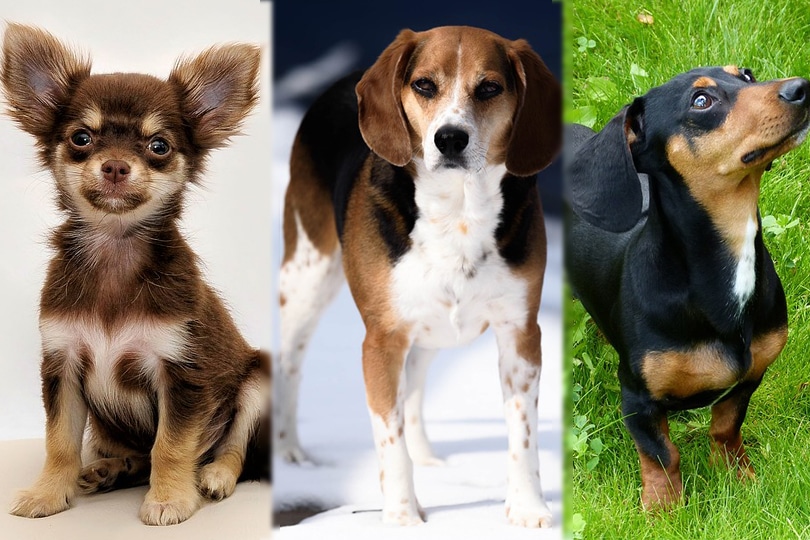
Meet the Cheaglehund: The Ultimate Chihuahua-Beagle-Dachshund Mix
Are you looking for a petite pooch with a big personality? The Cheaglehund may be the perfect fit! This adorable designer breed combines the best traits of the Chihuahua, Beagle, and Dachshund into one compact canine companion. Whether you‘re seeking a lapdog to snuggle with or a small hound to join your outdoor adventures, the Cheaglehund has something for everyone.
In this ultimate breed guide, we‘ll take an in-depth look at the origin, characteristics, care needs, and more of the charismatic Cheaglehund. You‘ll learn everything you need to know to decide if this delightful doggo belongs in your home. Let‘s dig in!
Breed History: Behind the Cheaglehund
The Cheaglehund is a relatively new arrival to the designer dog scene. This breed started to pop up in the early 2000s as demand grew for smaller mixed breed companion dogs. Breeders began intentionally crossing Chihuahuas, Beagles, and Dachshunds to create a compact canine that blended the most desirable traits of each parent breed.
As a very rare breed, the exact origin of the first Cheaglehunds is unknown. No major kennel clubs currently recognize the Cheaglehund as a standardized breed. However, some smaller clubs and registries focused on designer dogs, like the American Canine Hybrid Club, do include the Cheaglehund.
Despite their status as a new breed, Cheaglehunds have quickly gained a devoted following of owners smitten by their unique looks and spunky spirit. Breed-specific rescues have also popped up to help rehome Cheaglehunds in need. As more dog lovers discover the breed, the Cheaglehund seems poised to become a popular pick for fans of small hound mixes.
Physical Characteristics: The Cheaglehund Look
Since the Cheaglehund comes from mixing three distinct breeds, their appearance can vary quite a bit. In general, most Cheaglehunds are small-statured dogs with somewhat elongated bodies, reflecting their Dachshund heritage. They typically weigh between 9 to 20 pounds and stand 9 to 14 inches tall at the shoulder.
The head shape is often a blend between the apple dome of the Chihuahua and the slightly rounded skulls of the Beagle and Dachshund. Ears are usually floppy like the Beagle or Dachshund rather than the upright ears of the Chihuahua. The muzzle has a medium length and may be narrower or more squared off.
Cheaglehunds can have short or long coats with straight, wiry, or slightly wavy hair. Common coat colors include fawn, red, cream, chocolate, tan, black, and white. Many have bicolor or tricolor coats with markings similar to the Beagle. Their tails are usually long and tapered.
Altogether, the Cheaglehund has a rather distinctive look that draws the eye. They definitely have the cuteness factor that wins a lot of fans!
Temperament: Personality Plus
The Cheaglehund packs a lot of personality into their pint-sized package. These dogs combine the feistiness of the Chihuahua, the friendliness of the Beagle, and the boldness of the Dachshund. The result is an outgoing, alert, and affectionate dog that loves being the center of attention.
As with any mixed breed, temperament can vary from one Cheaglehund to the next. However, most share some common traits:
- Devotion to their owners and a love of lap time
- Good with kids and able to adapt to other dogs
- An alert nature and tendency to bark at noises
- A stubborn streak and independent mindset
- An energetic, playful spirit
- A tendency to dig, chase, and explore scents
Cheaglehunds adore their people and will usually pick a favorite human to stick close to. They thrive when they feel like part of the family and are included in activities. At the same time, their houndy nature means they aren‘t afraid to think for themselves and can have a mischievous side.
While the breed tends to be amiable with kids, it‘s important they are socialized from a young age and interactions are always supervised. Their small size means Cheaglehunds can easily be injured if play gets too rough. With their Chihuahua roots, some may be prone to nipping if handled improperly.
Mental stimulation is a must to keep clever Cheaglehunds out of trouble. Puzzle toys, scent games, and trick training are great ways to challenge their bright minds. Cheaglehunds are also known to be quite the talkers. With their Beagle background, some have a propensity toward howling and baying.
Living with a Cheaglehund is never dull! For owners that appreciate a small dog with a confident, comical, cuddly personality, it‘s the perfect match. Just be prepared for a pup that keeps you on your toes.
Training and Exercise: Keeping Cheaglehunds Busy
Although Cheaglehunds are intelligent dogs, they aren‘t always the easiest to train. A combination of stubbornness and sensitivity means these dogs need a firm yet positive approach. Harsh corrections will cause them to shut down. Patience, consistency, and plenty of rewards are key.
Start training your Cheaglehund as soon as you bring them home. Puppy classes are a great way to socialize them and teach good manners. Focus on basic obedience commands like sit, stay, down, and come. Housetraining may take some time, so be prepared with enzymatic cleaners and a consistent schedule.
Excessive barking is a common issue, so teaching a "quiet" command is essential. Cheaglehunds may also be prone to separation anxiety and destructive chewing if left alone too long. Crate training provides them a safe space, but it shouldn‘t be used for more than a few hours at a time.
As far as exercise goes, Cheaglehunds have moderate needs. Daily walks of 20 to 30 minutes plus some playtime will keep them fit. With their shortened legs, they aren‘t the best jogging partners. But they do love romping around the backyard or dog park.
Recall training is critical before letting a Cheaglehund off-leash. Their houndy nature means they‘ll follow their nose wherever a scent leads and may not come when called. A fenced yard or long line are the safest options for outdoor time.
Remember that mental exercise is just as important as physical for this smart breed. Cheaglehunds excel at canine sports like agility, rally, and scent work that keep their brain engaged. Even simple games of hide-and-seek or "find it" at home can provide enrichment.
Grooming and Care: Keeping Cheaglehunds Looking Sharp
Grooming needs for the Cheaglehund depend on what type of coat they inherit. Long-haired Cheaglehunds will need more frequent brushing, at least a few times a week, to prevent mats and tangles. Shorter coats can get by with a weekly brushing and the occasional bath as needed.
Regardless of coat type, it‘s important to do regular nail trims, ear checks, and teeth brushing. Floppy Cheaglehund ears can trap dirt and moisture, making them prone to infections. Check inside the ears weekly and clean gently with a pet-safe solution. Dental chews and enzymatic toothpaste will keep their pearly whites in good shape.
When it comes to feeding, Cheaglehunds do best with a high-quality small breed dog food. Puppies need a specific puppy formula to support their growth. Adults can transition to an adult maintenance diet around 1 year old. Portion sizes will depend on weight, age, and activity level but are usually around half a cup to one cup per day divided into two meals.
Since they are prone to obesity, be careful not to overfeed your Cheaglehund. Measure meals with a scoop and limit treats to 10% of their daily calorie intake. Puzzle feeders can help slow down fast eaters. Always have fresh water available.
Cheaglehunds are sensitive to extreme weather, especially the cold. A cozy coat or sweater can keep them comfortable in chilly temperatures. But in general, these dogs do best as indoor pets with access to a securely fenced yard for potty breaks and playtime.
Health Issues: Concerns for Cheaglehunds
Although mixed breed dogs are often healthier than their purebred parents, Cheaglehunds are still prone to some hereditary health issues. It‘s important for potential owners to be aware of these concerns so they can take preventive steps and catch problems early.
According to Dr. Annette Louviere, a veterinarian with 30 years of experience treating small breed dogs, the most common health issues seen in Cheaglehunds include:
- Patellar luxation: Loose kneecaps that pop out of place and can cause lameness. May require surgery.
- Intervertebral disc disease (IVDD): Bulging or herniated discs in the spine that press on nerves. Can cause pain, weakness, and paralysis.
- Dental disease: Tooth decay, gum inflammation, and jaw deterioration. Regular dental care is a must.
- Eye problems: Includes cataracts, glaucoma, and dry eye. May lead to vision loss.
- Hypothyroidism: Low thyroid hormone levels that cause weight gain, hair loss, and lethargy. Managed with medication.
- Allergies: Can be allergic to certain foods, fleas, and environmental allergens. May require special diets and allergy medications.
"The best thing Cheaglehund owners can do is find a veterinarian they trust and schedule regular wellness visits," says Dr. Louviere. "Catching health problems early through physical exams and preventive lab work can make a huge difference in a dog‘s quality of life."
Responsible Cheaglehund breeders will screen their dogs for common genetic issues before breeding. They should be able to provide health clearances for the parents and puppies. But it‘s still important for owners to be proactive about preventive care throughout their dog‘s lifetime.
A healthy, well-cared for Cheaglehund has an average lifespan of 12 to 16 years. Keeping them at a healthy weight, providing regular exercise, and feeding a quality diet can help them reach their full potential.
Choosing a Cheaglehund: Breeder or Rescue?
If you‘ve decided a Cheaglehund is the right dog for you, the next step is finding one. You have two main options: going through a breeder or adopting from a rescue organization.
Buying from a reputable Cheaglehund breeder has some advantages. You‘ll be able to see the puppy‘s parents, get a full health history, and often receive a health guarantee. Puppies from good breeders are well-socialized and may even have a head start on housetraining and basic obedience.
However, Cheaglehunds from breeders come at a premium price, typically ranging from $800 to over $2500 depending on location and pedigree. There is also usually a waiting list.
When looking for a Cheaglehund breeder, do your research. Avoid any breeder that always has puppies available, cannot provide health clearances, or won‘t let you visit their facility. Reputable breeders interview potential buyers to ensure their puppies are going to good homes.
For owner Sandra Brockman, finding the right breeder was key. "We wanted a breeder who did all the necessary health testing and focused on breeding for sound temperament," she says. "We ended up waiting 6 months for our Cheaglehund puppy, but it was so worth it. He‘s been healthy and well-adjusted since day one."
Adopting a Cheaglehund from a rescue organization is another great option, especially for owners who want to skip the puppy stage. Rescues often have young adult and senior Cheaglehunds that are already spayed/neutered, housebroken, and have some training. Adoption fees are also much lower than breeder prices.
Cheaglehund rescues are experts in the breed and work hard to match their dogs with compatible homes. They can help guide you to the perfect dog for your lifestyle and provide ongoing support. And of course, when you rescue, you‘re giving a deserving dog a second chance at a happy life.
Owner Jenna Larson has welcomed two Cheaglehunds into her home through rescue. "Both our dogs came from unfortunate situations, but with some TLC, they blossomed," Jenna says. "Rescuing a Cheaglehund is so rewarding. They‘re such resilient, loving dogs."
No matter which path you choose, it‘s important to go into Cheaglehund ownership with realistic expectations. These unique dogs require time, patience, and a sense of humor. But for the right person, the payoff of unconditional love and laughter is immense.
Conclusion
The Cheaglehund may be small in stature, but they‘re big in personality. With their adorable looks, alert nature, and affectionate spirit, these dogs have a growing fan base. They can fit into many different types of homes, from apartments to houses with yards, as long as their exercise needs are met.
While the Cheaglehund‘s moxie is endearing, it‘s important to remember they do have some specific care requirements. Finding a good breeder or rescue, committing to training and socialization, and providing proper vet care are all essential. Potential owners should carefully consider if they have the time and lifestyle to keep a Cheaglehund happy.
When raised in a loving home and given clear boundaries, Cheaglehunds absolutely thrive. They‘ll keep you entertained with their antics and be your devoted sidekick through all life‘s adventures. This is a breed that‘s hard not to fall in love with.
If you think the charismatic Cheaglehund could be your canine match, take the plunge! Bringing one into your life will fill your days with fun, snuggles, and more laughs than you can count. These little hound dogs are truly something special.



:%20Pictures,%20Guide,%20Info,%20&%20Care)