The Remarkable Journey of the Great Dane: From Fierce Hunter to Gentle Companion
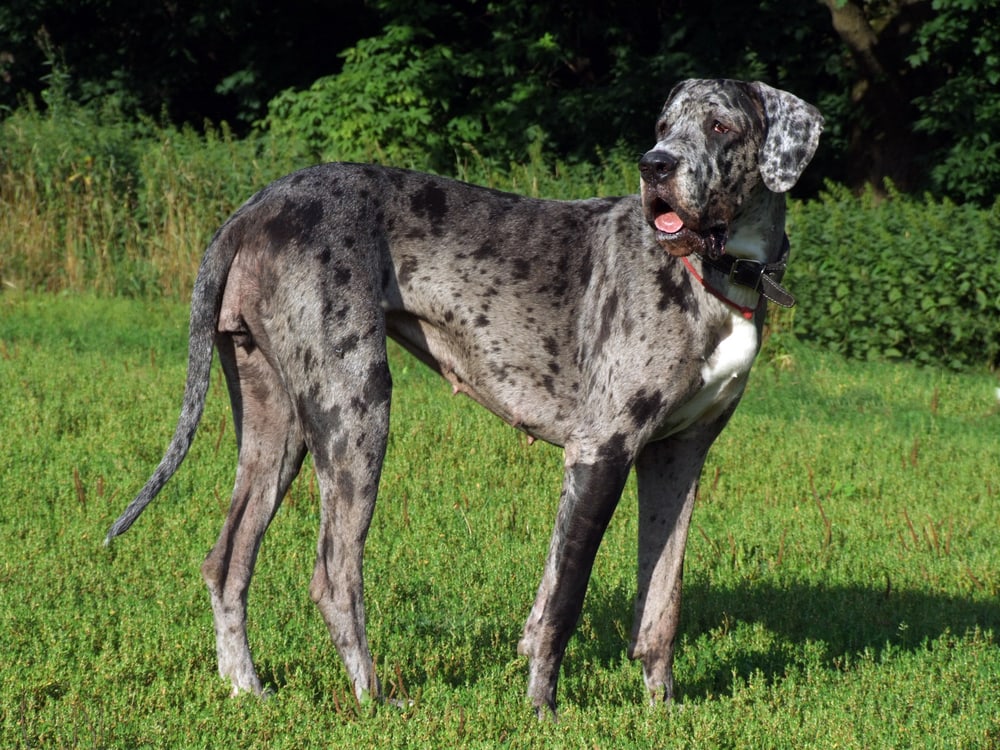
As a dog lover, I have always been fascinated by the unique histories and characteristics of different breeds. One breed that has captured my heart and imagination is the Great Dane—a majestic and gentle giant with a fascinating past. In this article, we‘ll embark on a journey through time to uncover the Great Dane‘s remarkable transformation from a fierce hunting dog to a cherished family companion.
A Regal Heritage: The Great Dane‘s Hunting History
The story of the Great Dane begins centuries ago in the royal courts and hunting lodges of Europe. In the 16th and 17th centuries, these magnificent dogs were highly prized by nobility for their exceptional hunting skills and regal bearing. The Great Dane, known then as the "English Dogge" or "German Boarhound," was a favored companion of kings, dukes, and aristocrats across the continent.
One of the most notable figures in the Great Dane‘s early history was King Frederick II of Denmark, who ruled from 1559 to 1588. The king was an avid hunter and maintained a vast collection of hunting dogs, including numerous Great Danes. These powerful dogs were trained to hunt wild boar, bear, and deer—dangerous and challenging quarry that required immense strength, courage, and tenacity.
In Germany, the Great Dane‘s hunting prowess was equally renowned. The breed was a staple in the royal courts and hunting lodges of the German states, where they were used to track and catch wild boar in the dense forests. A 17th-century German chronicle describes the Great Dane as "a large and powerful dog, with a broad chest and strong legs, able to catch and hold down even the most ferocious boar."
Built for the Hunt: Physical and Temperamental Traits
The Great Danes of the past were truly impressive specimens, with physical and temperamental traits perfectly suited for their role as hunting dogs. Standing at an average height of 32 to 36 inches (81 to 91 cm) at the shoulder and weighing up to 175 pounds (79 kg) or more, these dogs were substantially larger and more muscular than their modern counterparts.
Their immense size and strength allowed them to keep pace with swift and aggressive prey, while their powerful jaws and fearless nature enabled them to confront and hold down even the most formidable opponents. Great Danes were known for their keen sense of smell, which made them excellent trackers, and their unwavering loyalty and courage, which ensured they would never back down from a fight.
To illustrate the Great Dane‘s hunting prowess, consider the following statistics and comparisons:
| Breed | Average Height (inches) | Average Weight (pounds) | Primary Prey |
|---|---|---|---|
| Great Dane | 32-36 | 120-175 | Boar, bear, deer |
| Irish Wolfhound | 32-35 | 105-120 | Wolf, elk, deer |
| Bloodhound | 23-27 | 80-110 | Deer, boar |
| Rhodesian Ridgeback | 24-27 | 70-85 | Lion, leopard |
As the table shows, the Great Dane‘s size and strength placed them among the top hunting breeds of their time, capable of taking on larger and more dangerous prey than many of their contemporaries.
From Hunter to Companion: The Evolution of the Great Dane
As the centuries passed and the popularity of hunting as a sport began to decline, the Great Dane‘s role started to shift. In the late 19th and early 20th centuries, breeders began to focus more on developing the breed‘s temperament and appearance, rather than their hunting skills. Selective breeding for traits like gentleness, patience, and a more refined appearance gradually transformed the Great Dane from a fierce hunter to a gentle companion.
This evolution was not without controversy, however. One of the most visible signs of the Great Dane‘s hunting past was the practice of ear cropping, which involved surgically removing part of the ear flap to create a more alert and intimidating appearance. While proponents argued that cropping was necessary to protect the dog‘s ears from injury during hunts, critics viewed it as a cruel and unnecessary cosmetic procedure.
As attitudes towards animal welfare changed and the Great Dane‘s role as a hunting dog diminished, the practice of ear cropping came under increasing scrutiny. Today, the procedure is banned or restricted in many countries, and a growing number of Great Dane owners and breeders are choosing to leave their dogs‘ ears natural.
The Gentle Giants: Modern Great Danes and Their Enduring Appeal
Despite their imposing size and hunting heritage, modern Great Danes are known for their gentle, affectionate, and even goofy personalities. These "gentle giants" have become beloved companions for families around the world, cherished for their loyalty, patience, and good-natured temperament.
As a Great Dane owner myself, I can attest to the joy and love these magnificent dogs bring to their human families. My own gentle giant, Luna, is a constant source of comfort, laughter, and companionship. Despite her size—she stands nearly 32 inches tall at the shoulder—Luna is the epitome of a "lap dog," always seeking out affection and snuggles from her favorite people.
Like many modern Great Danes, Luna‘s hunting instincts have been largely bred out, replaced by a more laid-back and easygoing nature. While she may still enjoy a game of chase or a romp in the yard, her true passion lies in being close to her family and showering them with love and kisses.
Of course, owning a giant breed like the Great Dane comes with its own unique challenges and responsibilities. These dogs require plenty of space, exercise, and training to thrive, as well as a significant investment in food, veterinary care, and other necessities. But for those who have the means and dedication to care for them, the rewards of Great Dane companionship are immeasurable.
Conclusion: A Breed to Cherish and Celebrate
The Great Dane‘s journey from fierce hunting dog to gentle companion is a testament to the breed‘s remarkable adaptability and the enduring bond between humans and their canine partners. By understanding and appreciating the breed‘s rich history and evolution, we can deepen our love and respect for these magnificent dogs and the unique role they have played in our lives and culture.
As we look to the future, it is essential that we continue to celebrate and protect the Great Dane‘s legacy, both as a historical hunting breed and as a cherished companion. This means supporting responsible breeding practices, advocating for the well-being of all dogs, and educating others about the joys and responsibilities of owning a giant breed.
For those of us who have had the privilege of sharing our lives with a Great Dane, we know firsthand the incredible impact these gentle giants can have on our hearts and homes. They may no longer be the fierce hunters of centuries past, but their spirit, loyalty, and love remain as strong as ever, making them truly a breed to cherish and celebrate.