The Rhodesian Ridgeback Pitbull Mix: A High-Energy Hybrid with a Heart of Gold
As a lifelong dog lover and owner of several large breeds, I‘ve always been drawn to athletic, intelligent dogs with a strong work ethic. So when I first met a Rhodesian Ridgeback Pitbull mix several years ago, I was immediately impressed by their striking appearance, powerful presence, and loyal, affectionate nature.
Since then, I‘ve had the pleasure of getting to know several of these unique hybrid dogs and have fallen in love with their combination of strength, courage, and heart. In this comprehensive guide, I‘ll share my experiences and insights on the Rhodesian Ridgeback Pitbull mix, along with expert advice from veterinarians, trainers, and breed enthusiasts.
Designer Dogs and Controversy
First, let‘s address the elephant in the room: the controversy surrounding "designer dogs" like the Rhodesian Ridgeback Pitbull mix. Some purebred enthusiasts argue that intentionally crossbreeding different breeds is irresponsible and can lead to unpredictable temperaments and health problems.
However, proponents of hybrid vigor argue that careful crossbreeding can actually improve the health and genetic diversity of certain breeds. A 2013 study by the University of California, Davis found that mixed breed dogs had a lower incidence of 10 genetic disorders compared to their purebred counterparts. (Source)
Ultimately, the health and temperament of any individual dog, purebred or mixed, depends largely on responsible breeding practices, proper socialization, and meeting the dog‘s needs. Let‘s take a closer look at what you can expect from a Rhodesian Ridgeback Pitbull mix.
Breed History and Characteristics
The Rhodesian Ridgeback Pitbull mix combines two powerful working breeds with fascinating histories. Here‘s a quick primer on each parent breed:
Rhodesian Ridgeback
- Developed in southern Africa in the 1800s to hunt large game like lions and baboons (Source)
- Named for the distinctive ridge of backward-growing hair along their spine
- Bred for courage, speed, agility, and strength
- Recognized by the AKC in 1955, currently the 41st most popular breed in the U.S. (Source)
American Pitbull Terrier
- Originated in the early 1800s in the United Kingdom as a cross between Old English Bulldogs and Terriers (Source)
- Originally bred for bull-baiting and dogfighting, later used as all-purpose farm dogs and companions
- Known for strength, tenacity, athleticism, and devotion to family
- Not recognized by the AKC but registerable with the UKC and ADBA
As a mix of these two impressive breeds, the Rhodesian Ridgeback Pitbull inherits a strong work ethic, high energy levels, and loyal, protective nature. However, they can also be challenging for novice owners to handle without proper training and socialization.
Physical Characteristics and Lifespan
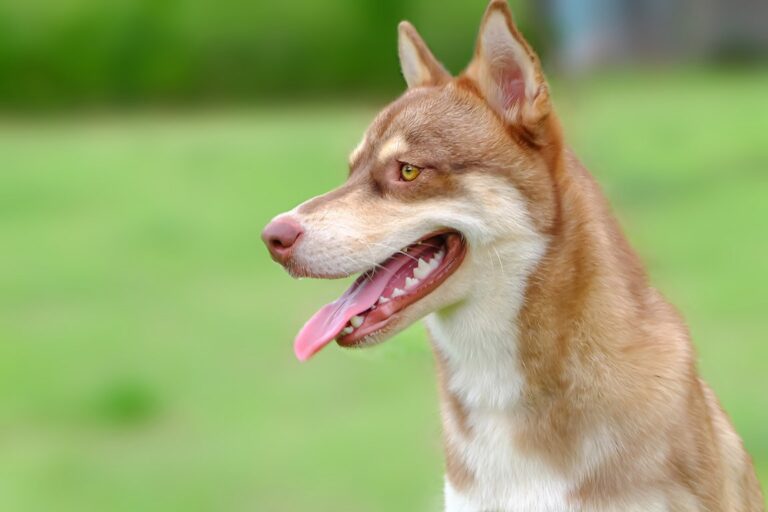
Rhodesian Ridgeback Pitbull mixes are large, muscular dogs with an imposing presence. Here‘s what you can expect in terms of size and appearance:
- Height: 24-27 inches (males), 22-25 inches (females)
- Weight: 75-100 pounds (males), 60-85 pounds (females)
- Coat: Short, dense, may have ridge of backward-growing hair
- Colors: Red, fawn, brindle, black, blue, with possible white markings
- Ears: Semi-erect to erect, may be cropped
- Tail: Long, tapered, may be docked
- Lifespan: 10-14 years
While Ridgeback Pitbulls are generally healthy dogs, they may be prone to some of the same genetic health issues as their parent breeds, including hip dysplasia, elbow dysplasia, eye problems, and skin allergies. A 2010 Rhodesian Ridgeback Health Survey found that 8% of Ridgebacks had hip dysplasia and 1.4% had elbow dysplasia. (Source)
To minimize the risk of inherited health problems, choose a responsible breeder who performs genetic testing on parent dogs and provides health clearances. Ridgeback Pitbull mixes from unknown origins may be more likely to have conformational defects or unstable temperaments.
Temperament and Personality
One of the biggest draws of the Rhodesian Ridgeback Pitbull mix is their loyal, affectionate temperament. When raised in a loving, consistent environment, these dogs bond closely with their family and are known for their goofy, playful demeanor.
However, Ridgeback Pitbulls can also be very protective of their loved ones and may be aloof or suspicious around strangers. Many have a high prey drive and strong instincts to chase small animals. Early, extensive socialization is essential for teaching these dogs to differentiate between welcome guests and intruders.
Heather Smith, a certified professional dog trainer, emphasizes the importance of positive socialization for Ridgeback Pitbulls. "Exposing them to lots of different people, animals, and environments as puppies can help prevent fear and aggression later in life. Reward them for calm, friendly behavior and never force interactions if they seem uncomfortable," says Smith.
Exercise and Training Needs
As high-energy working dogs, Rhodesian Ridgeback Pitbull mixes need ample daily exercise to stay physically and mentally fulfilled. Expect to provide at least 60-90 minutes of vigorous activity per day, such as:
- Long walks or hikes
- Jogs or runs
- Fetch or frisbee
- Swimming
- Puzzle toys and games
- Agility or other dog sports
Without enough exercise, Ridgeback Pitbulls may become bored, destructive, and difficult to handle. A tired dog is a good dog!
In addition to physical exercise, these intelligent dogs need consistent training and mental stimulation. Positive reinforcement methods like clicker training, treat rewards, and praise work best for building a strong bond and encouraging cooperation.
Veterinary behaviorist Dr. Ellen Lindell recommends starting training early and keeping sessions short and fun. "Ridgeback Pitbulls are smart and eager to please but can also be independent thinkers. Break training into 5-10 minute sessions throughout the day and always end on a positive note," advises Dr. Lindell.
Some common training challenges with Ridgeback Pitbulls include:
- Leash pulling: Use a front-clip harness or head halter for more control and teach loose-leash walking.
- Recall: Practice coming when called in low-distraction environments first and use high-value treats.
- Jumping up: Ignore jumping and reward four paws on the floor. Teach an incompatible behavior like sitting.
- Mouthing/nipping: Redirect to appropriate chew toys and enforce a zero-tolerance policy for teeth on skin.
With patience, consistency, and a sense of humor, training a Ridgeback Pitbull can be a highly rewarding experience. Consider working with a certified positive reinforcement trainer if you need extra guidance.
Nutrition and Feeding
Proper nutrition is essential for keeping your Rhodesian Ridgeback Pitbull mix healthy and active. Feed a high-quality, age-appropriate diet with adequate protein, fat, and nutrients. Avoid cheap, low-quality foods that contain fillers, by-products, and artificial preservatives.
Puppies under 6 months should be fed 3-4 small meals per day to support growth and development. Adults can be fed twice daily, with portion sizes adjusted based on weight, activity level, and body condition. A veterinary nutritionist or your breeder can help you determine the right type and amount of food for your individual dog.
Some Ridgeback Pitbulls may be prone to food allergies or sensitivities, which can cause skin and digestive issues. Common allergens include beef, chicken, dairy, wheat, and soy. If you suspect a food allergy, work with your veterinarian to identify and eliminate the trigger ingredient.
To prevent bloat, a life-threatening condition more common in large, deep-chested breeds, avoid feeding your Ridgeback Pitbull immediately before or after intense exercise. Feed multiple smaller meals throughout the day rather than one large meal, and consider using a slow feeder bowl or puzzle toy to slow down eating.
Sample Daily Schedule for Rhodesian Ridgeback Pitbull Mix:
- 7:00am – Morning walk/jog and playtime
- 8:00am – Breakfast
- 10:00am – Training session
- 12:00pm – Midday walk or playtime
- 2:00pm – Puzzle toy or chew time
- 5:00pm – Dinner
- 6:00pm – Evening walk or playtime
- 8:00pm – Cuddle time with family
- 10:00pm – Bedtime
Adjust this schedule based on your dog‘s specific needs and your own work/family commitments. The key is providing plenty of exercise, mental stimulation, and positive human interaction throughout the day.
Grooming and Care
Rhodesian Ridgeback Pitbull mixes have short, dense coats that shed moderately year-round. Weekly brushing with a rubber curry brush or bristle brush can help remove loose fur and distribute natural skin oils. Bathe only as needed with a mild, dog-safe shampoo to avoid drying out their skin.
Other grooming needs include regular nail trims (every 2-4 weeks), ear cleaning (weekly), and dental care (brushing 2-3 times per week). Start handling your Ridgeback Pitbull‘s paws, ears, and mouth from a young age so they learn to accept grooming calmly.
While Ridgeback Pitbulls are not hypoallergenic and may trigger allergies in some people, they do tend to be relatively clean, odor-free dogs. They don‘t require frequent bathing or extensive grooming to look their best.
Training and Socialization
As mentioned earlier, socialization is one of the most critical aspects of raising a well-adjusted Rhodesian Ridgeback Pitbull mix. From 8-16 weeks old (the critical socialization window), expose your puppy to as many new people, animals, places, and experiences as possible.
Enroll in a positive puppy class to learn basic obedience and manners around other dogs. Visit dog-friendly stores, parks, and events to practice calm behavior in public. Invite friends and family over to teach your puppy that visitors are welcome in your home.
Obedience training should also begin early and continue throughout your Ridgeback Pitbull‘s life. Focus on teaching important cues like sit, down, stay, come, leave it, and heel. Use high-value treats, toys, and praise to make training fun and rewarding.
If your Ridgeback Pitbull shows signs of fear, anxiety, or aggression (growling, lunging, snapping), don‘t punish or physically correct them. This can make the behavior worse and damage your bond. Instead, calmly remove them from the situation and seek help from a certified positive reinforcement trainer or veterinary behaviorist.
Living with a Ridgeback Pitbull
Rhodesian Ridgeback Pitbull mixes can make wonderful companions for active, experienced dog owners. But before bringing one home, consider the following:
Breed-Specific Legislation (BSL): Some cities, housing complexes, and insurance companies restrict or ban ownership of pitbull-type dogs. Do your research to ensure you can legally and safely own a Ridgeback Pitbull in your area.
Homeowners/Renters Insurance: You may need to purchase additional liability coverage or switch providers to own a Ridgeback Pitbull. Some companies have breed blacklists that include pitbulls and other large breeds.
Cost of Ownership: Large-breed dogs like Ridgeback Pitbulls can be expensive to care for. Budget for high-quality food, toys, treats, grooming supplies, routine/emergency vet care, and professional training as needed.
Time and Energy Commitment: Ridgeback Pitbulls need lots of daily exercise, interaction, and mental stimulation to thrive. If you work long hours or have a very busy schedule, this may not be the breed for you.
Finding a Rhodesian Ridgeback Pitbull Mix
If you‘ve decided that a Rhodesian Ridgeback Pitbull is the right dog for you, congrats! You‘re in for a lifetime of love, laughter, and adventure. Here are some tips for finding your perfect match:
- Research reputable breeders who health test their breeding stock and raise puppies in enriching environments. Ask for proof of health clearances, pedigrees, and references.
- Avoid backyard breeders, online ads, or pet stores that can‘t provide health/temperament guarantees.
- Consider adopting an adult Ridgeback Pitbull mix from a breed-specific rescue or shelter. Many end up homeless due to owner surrender or BSL restrictions, not behavior problems.
- Meet the puppy or dog in person before committing. Observe their temperament, energy level, and interactions with people and other animals.
Final Thoughts
The Rhodesian Ridgeback Pitbull mix is a unique, impressive hybrid that combines the best of two strong, loyal breeds. With their athletic build, goofy personality, and heart of gold, these dogs can make wonderful companions for experienced, active owners.
However, bringing home a Ridgeback Pitbull is not a decision to be made lightly. These dogs require extensive training, socialization, and exercise to become well-mannered family members. They may not be suitable for first-time dog owners, those with small children/pets, or people with very busy lifestyles.
If you have the time, energy, and commitment to invest in a Rhodesian Ridgeback Pitbull mix, you‘ll be rewarded with a fiercely loyal, loving, and protective companion. With proper care and training, these majestic mutts can be a source of joy and adventure for years to come.
Resources: