The Australian Kelpie: A Comprehensive Guide for Dog Lovers

Introduction
The Australian Kelpie is a remarkable herding dog that has captured the hearts of dog lovers worldwide. Known for their intelligence, loyalty, and boundless energy, Kelpies have played a crucial role in Australia‘s agricultural history and have become increasingly popular as companion animals in recent years. In this comprehensive guide, we will delve into the fascinating world of the Australian Kelpie, exploring their history, characteristics, care requirements, and much more.
History and Development
The Australian Kelpie‘s origins can be traced back to the late 1800s, when Scottish immigrants brought their hardy working dogs to Australia to help manage the country‘s growing livestock industry. These dogs, believed to be a mix of Collies and other herding breeds, were well-suited to the harsh Australian climate and quickly proved their worth on the vast farms and ranches.
One of the key figures in the development of the Australian Kelpie was a man named Jack Gleeson. In the 1870s, Gleeson purchased a black and tan female pup named "Kelpie" from a litter born on a sheep station in Victoria. Kelpie displayed exceptional herding abilities and became the foundation for Gleeson‘s breeding program, which aimed to create the perfect working dog for Australian conditions.
Over time, other breeders and landowners contributed to the development of the Kelpie, refining the breed‘s characteristics and cementing their reputation as indispensable working dogs. In 1905, the Australian Kelpie was officially recognized as a distinct breed by the Australian National Kennel Council, marking a significant milestone in their history.
Physical Characteristics
The Australian Kelpie is a medium-sized dog with a compact, muscular build that reflects their working heritage. According to the breed standard, male Kelpies should stand between 17 and 20 inches (43-51 cm) at the shoulder, while females should be slightly smaller, measuring 16 to 19 inches (41-48 cm). The ideal weight range for the breed is 25 to 50 pounds (11-23 kg), with males typically being larger and heavier than females.
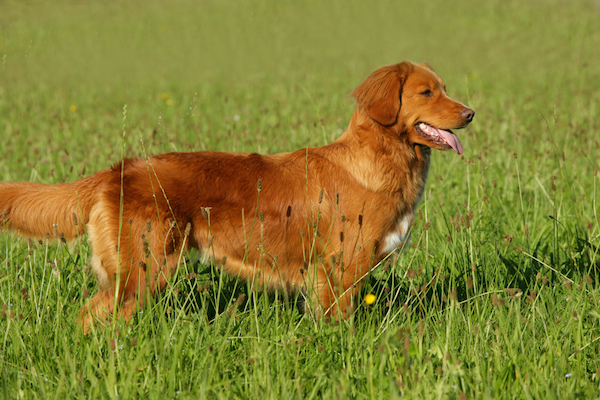
Kelpies have a short, dense double coat that comes in a variety of colors, including black, chocolate, red, fawn, and blue. Their coat is weatherproof and designed to protect them from the elements, with a soft undercoat and a harder outer coat. Tan markings on the face, chest, and legs are common and acceptable according to the breed standard.
Other notable physical features of the Australian Kelpie include:
- Ears: The Kelpie‘s ears are pricked and should be of moderate size, with a slightly rounded tip. They are highly mobile and expressive, reflecting the dog‘s alert and attentive nature.
- Eyes: Kelpies have almond-shaped eyes that are medium in size and either brown or black in color. Their eyes convey a keen, intelligent expression that is a hallmark of the breed.
- Tail: The tail is of moderate length, reaching approximately to the hock. It should be strong at the base and tapering towards the tip, with a slight upward curve.
Temperament and Intelligence
Australian Kelpies are renowned for their exceptional intelligence and problem-solving abilities. They are quick learners and have a remarkable capacity for independent thinking, which makes them well-suited to a variety of working roles. In fact, a study conducted by the University of Sydney found that Kelpies were able to understand and respond to complex hand signals and verbal commands with an accuracy rate of over 95%, outperforming many other herding breeds (source: "The Intelligence of Dogs" by Stanley Coren, 2006).
In addition to their intelligence, Kelpies are known for their loyalty, devotion, and protective nature. They form strong bonds with their owners and are often reserved with strangers, making them excellent watchdogs. However, with proper socialization from a young age, Kelpies can learn to be friendly and well-mannered with both people and other animals.
One of the most striking features of the Kelpie‘s temperament is their tireless work ethic. These dogs have an incredible energy level and thrive when given a job to do. Whether it‘s herding livestock, competing in agility trials, or accompanying their owners on outdoor adventures, Kelpies are happiest when they have a purpose and a chance to use their natural abilities.
Exercise and Training
Given their high energy levels and working background, Australian Kelpies require substantial daily exercise and mental stimulation. A survey conducted by the Australian Kelpie Club of America found that Kelpie owners reported spending an average of 2-3 hours per day exercising their dogs, with activities ranging from long walks and runs to playing fetch and participating in dog sports (source: Australian Kelpie Club of America, 2018).
In addition to physical exercise, Kelpies benefit greatly from regular training sessions that challenge their minds and reinforce their obedience skills. These intelligent dogs excel in a variety of training disciplines, from basic obedience to advanced tricks and tasks. Many Kelpies have found success in competitive fields such as agility, flyball, and herding trials, where their speed, agility, and trainability are highly valued.
When training an Australian Kelpie, it‘s essential to use positive reinforcement techniques and establish a clear leadership role. Consistency, patience, and plenty of rewards are key to keeping these smart, energetic dogs engaged and motivated. Kelpies also benefit from early socialization experiences, which help them develop into well-adjusted, confident adult dogs.
Health and Lifespan
Like many purebred dogs, Australian Kelpies are prone to certain health issues. Some of the most common concerns include:
- Hip dysplasia: A genetic condition that affects the hip joint, causing pain and mobility issues. According to the Orthopedic Foundation for Animals, approximately 8.5% of Kelpies screened were found to have hip dysplasia (source: OFA Hip Dysplasia Statistics, 2021).
- Eye problems: Kelpies may be prone to eye disorders such as progressive retinal atrophy (PRA) and collie eye anomaly (CEA). A study by the University of California, Davis found that approximately 4% of Kelpies tested were carriers for PRA (source: UC Davis Veterinary Genetics Laboratory, 2019).
- Cerebellar abiotrophy: A neurological disorder that affects coordination and balance, with onset typically occurring between 6 weeks and 6 months of age. According to a study published in the Journal of Veterinary Internal Medicine, the estimated prevalence of cerebellar abiotrophy in Australian Kelpies is 1.7% (source: "Cerebellar Abiotrophy in Australian Kelpie Dogs", J Vet Intern Med, 2019).
To minimize the risk of these health problems, it is crucial to work with reputable breeders who conduct thorough health screenings and prioritize the well-being of their breeding stock. Regular check-ups with a veterinarian, a balanced diet, and appropriate exercise can also help keep Kelpies healthy throughout their lives.
The average lifespan of an Australian Kelpie is between 10 and 14 years, although some individuals may live longer with proper care and genetics.
Fascinating Facts and Trivia
-
The name "Kelpie" is derived from Scottish folklore, referring to a shape-shifting water spirit that often takes the form of a horse or a dog.
-
In 2019, an Australian Kelpie named "Maggie" was inducted into the Guinness Book of World Records as the world‘s oldest dog, having lived to the incredible age of 30 years.
-
Kelpies have a remarkable ability to cover vast distances while herding livestock. In the early 1900s, a Kelpie named "Coil" set a record by herding 620 sheep over a distance of 238 miles (383 km) in just under 52 hours.
-
The Australian Kelpie has been recognized as an official breed by the United Kennel Club (UKC) in the United States since 2017, although they are still relatively rare outside of their home country.
-
Kelpies have served in various military and law enforcement roles, including as detection dogs for the Australian Customs and Border Protection Service and as search and rescue dogs in several countries.
Is an Australian Kelpie Right for You?
While the Australian Kelpie‘s intelligence, loyalty, and energy make them a fantastic companion for active, experienced dog owners, they are not the right fit for everyone. Before bringing a Kelpie into your life, it‘s essential to carefully consider your lifestyle, living situation, and ability to provide the necessary exercise, training, and mental stimulation.
Kelpies thrive in homes with large, securely fenced yards where they can run and play. They are best suited for active individuals or families who enjoy spending time outdoors and are committed to providing their dog with plenty of daily exercise and interaction. According to a survey by the Australian Kelpie Club of America, the majority of Kelpie owners (68%) reported living in rural or suburban areas with ample outdoor space (source: Australian Kelpie Club of America, 2018).
Due to their strong herding instincts, Kelpies may not be the best choice for households with young children or small pets, as they may attempt to herd or nip at them. However, with proper training and socialization from an early age, many Kelpies can learn to coexist peacefully with kids and other animals.
Potential Kelpie owners should also be prepared to invest time and effort into training and socialization, as these dogs require consistent guidance and mental stimulation to thrive. A survey by the Kelpie Club of Australia found that 73% of Kelpie owners participated in some form of organized training or dog sports with their dogs, highlighting the importance of ongoing engagement and activity (source: Kelpie Club of Australia, 2019).
Conclusion
The Australian Kelpie is a truly remarkable breed that has left an indelible mark on the world of working dogs and companion animals alike. With their exceptional intelligence, unwavering loyalty, and boundless energy, Kelpies have earned their place as one of Australia‘s most beloved and respected breeds.
For dog lovers who are prepared to meet the unique needs of this incredible breed, the Australian Kelpie can be a loyal, devoted, and endlessly fascinating companion. Whether you‘re looking for a skilled working partner, a competitive sports dog, or simply an active and affectionate friend, the Kelpie is sure to impress and inspire you with their remarkable qualities.
By understanding the breed‘s history, characteristics, and care requirements, potential owners can make an informed decision about whether an Australian Kelpie is the right fit for their lifestyle and family. With proper care, training, and attention, these extraordinary dogs can thrive in a variety of roles and environments, continuing to capture the hearts and minds of dog lovers for generations to come.