The Saint Dane: A Majestic Companion with a Heart as Big as Their Paws
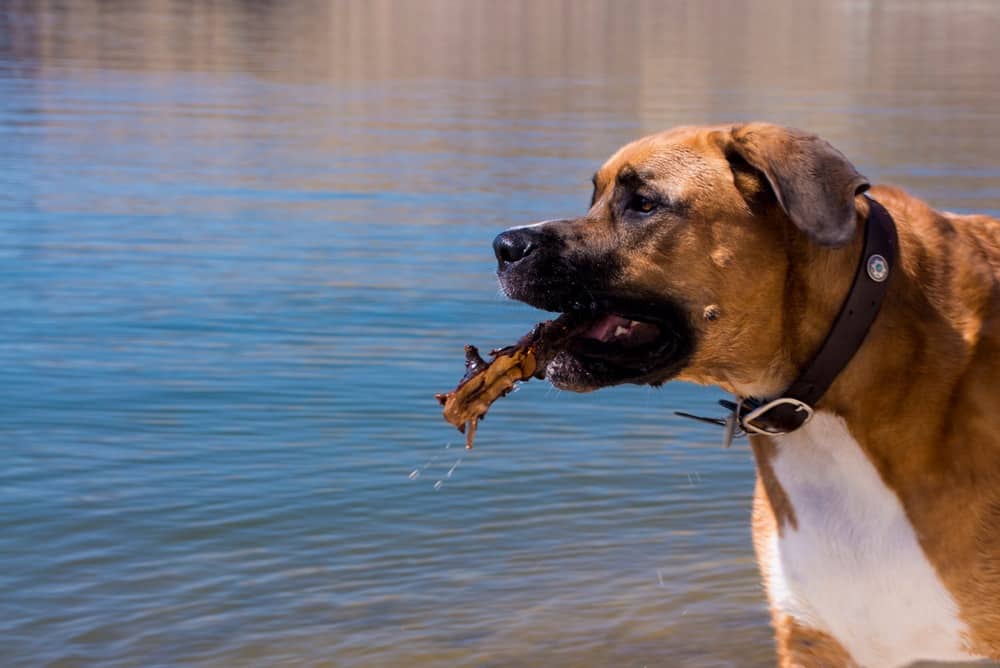
As a lifelong dog lover, I‘ve been fortunate enough to share my life with many incredible canine companions. But there‘s something truly special about the Saint Dane, a majestic hybrid breed that combines the best qualities of the regal Great Dane and the gentle Saint Bernard. With their imposing size, loving nature, and unwavering loyalty, Saint Danes have captured the hearts of dog enthusiasts around the world, myself included.
In this comprehensive guide, we‘ll delve into the fascinating world of the Saint Dane, exploring their history, characteristics, and care requirements. By the end of this article, you‘ll have a deeper understanding of what makes these gentle giants such remarkable companions and whether a Saint Dane might be the perfect fit for your family.
The Birth of a Gentle Giant: Saint Dane Breed History
The Saint Dane is a relatively new addition to the world of hybrid breeds, with the first intentional crosses likely occurring in the 1990s or early 2000s. Breeders sought to create a dog that embodied the best traits of two beloved breeds: the Great Dane, known for their impressive size and noble bearing, and the Saint Bernard, celebrated for their gentle disposition and strong work ethic.
By combining these two breeds, breeders hoped to produce a dog that not only possessed the physical presence of a Great Dane but also the sweet, nurturing nature of a Saint Bernard. The result is a hybrid breed that has garnered a devoted following among dog lovers who appreciate the unique blend of characteristics that define the Saint Dane.
It‘s essential to note that responsible breeding practices are crucial in the development of any hybrid breed, including the Saint Dane. Reputable breeders prioritize the health and well-being of their breeding stock, conducting thorough genetic testing and carefully selecting breeding pairs to minimize the risk of inherited health issues. By supporting responsible breeders, we can help ensure that future generations of Saint Danes are bred with care and dedication to their overall welfare.
A Commanding Presence: Saint Dane Physical Characteristics
One of the first things you‘ll notice about a Saint Dane is their sheer size. These dogs are true giants, with adult males typically weighing between 140 and 200 pounds and standing 28 to 32 inches tall at the shoulder. Females are slightly smaller, weighing 120 to 180 pounds and measuring 26 to 30 inches in height. To put this into perspective, consider the following table comparing the Saint Dane‘s size to other large breed dogs:
| Breed | Average Male Weight | Average Male Height |
|---|---|---|
| Saint Dane | 140-200 lbs | 28-32 inches |
| Great Dane | 140-175 lbs | 30-32 inches |
| Saint Bernard | 140-180 lbs | 28-30 inches |
| Mastiff | 160-230 lbs | 30 inches |
| Irish Wolfhound | 140-180 lbs | 32-35 inches |
Despite their imposing size, Saint Danes are known for their athleticism and grace. They have a muscular, well-proportioned build, with a broad chest, strong legs, and a deep, powerful bark that can deter even the most determined intruder. Their heads are large and square, with a short, deep muzzle and expressive eyes that seem to convey a wealth of emotion.
Saint Danes can come in a variety of coat colors, including fawn, brindle, black, and harlequin. Some may also have white markings on their chest, feet, and tail tip, a nod to their Saint Bernard heritage. Their coats are short and dense, requiring regular brushing to maintain a healthy shine and minimize shedding.
The Heart of a Saint: Saint Dane Temperament and Personality
While their size may be intimidating at first glance, Saint Danes are renowned for their gentle, loving nature. They are deeply devoted to their human families, forming unbreakable bonds that last a lifetime. As one Saint Dane owner put it, "My boy is a 180-pound lap dog. He thinks he‘s a tiny puppy and just wants to be as close to me as possible, even if that means taking up the entire couch!"
This affectionate nature extends to children and other pets, making Saint Danes excellent family dogs. However, it‘s crucial to remember that their size and exuberance can be overwhelming for very small children or animals, so close supervision and gentle guidance are essential.
Saint Danes are also known for their intelligence and eagerness to please, traits that make them highly trainable. They respond best to positive reinforcement and consistent, patient training, as harsh corrections or punishment can damage their sensitive nature. As with any large breed dog, early socialization and obedience training are crucial to ensure that your Saint Dane grows into a well-mannered, confident adult.
Born to Move: Saint Dane Exercise and Living Requirements
As a large, active breed, Saint Danes require daily exercise to maintain their physical and mental well-being. A minimum of 30-60 minutes of moderate activity, such as brisk walks or playtime in a securely fenced yard, is recommended to keep them healthy and happy. However, it‘s important to note that Saint Danes are not well-suited to intense, prolonged exercise, especially in hot weather, as they can be prone to overheating.
When it comes to living arrangements, Saint Danes thrive in homes with ample space to move and stretch out. They are not ideal apartment dwellers, as they need room to navigate comfortably and exercise their large bodies. A securely fenced yard is a must for this breed, as their size and curiosity can lead them to wander if given the chance.
It‘s also essential to consider the financial implications of owning a large breed dog like the Saint Dane. Their size means that they require more food, larger beds and crates, and specialized equipment like heavy-duty leashes and collars. Veterinary expenses may also be higher, as large breeds are more prone to certain health issues that can be costly to diagnose and treat.
Keeping Your Saint Dane Healthy: Common Health Concerns
Like many large breeds, Saint Danes can be prone to certain health issues. Some of the most common concerns include hip and elbow dysplasia, bloat, cardiomyopathy, eye problems, and skin allergies. The following table provides a brief overview of these conditions and their prevalence in Saint Danes and their parent breeds:
| Health Concern | Saint Dane | Great Dane | Saint Bernard |
|---|---|---|---|
| Hip Dysplasia | Moderate | High | Moderate |
| Elbow Dysplasia | Moderate | Moderate | Moderate |
| Bloat | High | High | Moderate |
| Cardiomyopathy | Moderate | High | Low |
| Eye Problems | Low | Moderate | Moderate |
| Skin Allergies | Low | Low | Moderate |
To minimize the risk of these health issues, it‘s crucial to work with a reputable breeder who conducts thorough genetic testing and screens their breeding stock for known health concerns. Regular check-ups with your veterinarian, a balanced diet, and appropriate exercise can also help keep your Saint Dane in optimal health throughout their life.
In addition to these preventive measures, it‘s essential to be aware of the signs and symptoms of common health problems and to seek veterinary care promptly if you suspect your dog may be unwell. By staying informed and proactive about your Saint Dane‘s health, you can help ensure that they enjoy a long, happy life by your side.
Grooming and Care: Maintaining Your Saint Dane‘s Majestic Appearance
While Saint Danes have relatively low-maintenance coats, they do require regular grooming to keep them looking and feeling their best. Weekly brushing with a slicker brush or hound glove can help remove loose hair, distribute natural oils, and prevent matting. Occasional baths, as needed, will keep your Saint Dane clean and smelling fresh.
In addition to coat care, it‘s essential to attend to your Saint Dane‘s other grooming needs, including regular nail trimming, ear cleaning, and dental care. Neglecting these tasks can lead to painful overgrowth of nails, ear infections, and dental disease, all of which can have a significant impact on your dog‘s overall health and well-being.
One aspect of Saint Dane ownership that often surprises first-time owners is the amount of drool these dogs produce. Like their Saint Bernard ancestors, Saint Danes are prolific droolers, and their saliva can accumulate quickly on their chests, your furniture, and anything else within reach. Keeping a towel or wipes handy can help manage the drool, and investing in a drool bib or bandana can protect your dog‘s chest and your home from excessive moisture.
Fueling the Giant: Saint Dane Nutrition and Feeding
Proper nutrition is essential for any dog, but it‘s especially crucial for large breeds like the Saint Dane. Puppies require a high-quality, balanced diet that supports slow, steady growth, as rapid growth can increase the risk of skeletal issues like hip dysplasia. Adult Saint Danes should be fed a high-quality, age-appropriate formula that meets their individual needs based on factors like activity level and health status.
Overfeeding is a common problem in large breed dogs, as owners often underestimate the impact of excess weight on their dog‘s joints and overall health. To prevent obesity and its associated health risks, it‘s important to monitor your Saint Dane‘s body condition and adjust their food intake as needed. Your veterinarian can provide guidance on appropriate portion sizes and feeding schedules based on your dog‘s specific needs.
Cherishing Every Moment: Saint Dane Lifespan and Senior Care
One of the harsh realities of owning a giant breed dog is that their lifespan is often shorter than that of smaller breeds. On average, Saint Danes live between 8 and 10 years, a relatively brief time compared to the 12-15 year lifespan of many smaller dogs. While this may seem unfair, it‘s important to remember that every moment spent with a Saint Dane is a gift to be cherished.
As your Saint Dane enters their senior years, their care needs may change. Regular check-ups with your veterinarian become even more crucial, as they can help detect and manage age-related health concerns before they become severe. You may need to adjust your dog‘s diet and exercise routine to accommodate any changes in their mobility or energy levels, and providing a comfortable, supportive bed can help ease any aches and pains associated with aging.
Despite the challenges that come with caring for a senior giant breed dog, the love and companionship they offer make every effort worthwhile. By providing your Saint Dane with the care and attention they need throughout their life, you can help ensure that their golden years are filled with joy, comfort, and the unwavering love of their devoted human family.
Finding Your Perfect Saint Dane: Adoption and Purchasing Tips
If you‘ve fallen in love with the idea of sharing your life with a Saint Dane, the next step is finding your perfect companion. Whether you choose to adopt from a rescue organization or purchase from a reputable breeder, it‘s essential to do your research and be prepared for the commitment of owning a giant breed dog.
When searching for a Saint Dane breeder, look for one who follows ethical breeding practices, conducts health screenings on their breeding stock, and provides a written health guarantee for their puppies. Avoid breeders who seem more interested in making a sale than ensuring their puppies go to suitable homes, and be wary of anyone who cannot provide documentation of health screenings or refuses to let you meet the parent dogs.
If you prefer to adopt, search for Saint Dane-specific rescue organizations or large breed rescues that may have Saint Danes available. Be prepared to undergo a thorough screening process, which may include a home visit and references, to ensure that you are a good match for the dog and can provide a loving, stable home.
Regardless of whether you adopt or purchase, it‘s crucial to spend time with your potential new companion before making a commitment. Observe their temperament, energy level, and interaction with you and other family members to ensure that they are a good fit for your lifestyle and household.
The Joy of Loving a Saint Dane: Final Thoughts
Sharing your life with a Saint Dane is an experience like no other. These gentle giants have a way of capturing your heart with their unwavering devotion, goofy antics, and larger-than-life personalities. From the moment they bound into your life, they become an integral part of your family, filling your days with love, laughter, and countless unforgettable moments.
While owning a Saint Dane comes with its challenges, from managing their immense size to navigating potential health concerns, the rewards of loving one of these majestic creatures far outweigh any difficulties. By providing your Saint Dane with the care, attention, and unconditional love they deserve, you can forge an unbreakable bond that will enrich your life in ways you never thought possible.
As a proud Saint Dane owner myself, I can attest to the incredible impact these dogs have had on my life. From the moment I brought my gentle giant home, he has been a constant source of joy, comfort, and unwavering companionship. Through the ups and downs of life, he has been by my side, offering his steadfast love and support without hesitation.
In the end, loving a Saint Dane is a journey of the heart, one that requires patience, dedication, and an open spirit. But for those who are willing to embark on this adventure, the rewards are immeasurable. With their boundless love, infectious zest for life, and ability to bring a smile to your face even on the darkest of days, Saint Danes are truly a breed apart, and the privilege of sharing your life with one of these magnificent creatures is an experience you‘ll cherish forever.