The Scoland Terrier: A Feisty and Friendly Hybrid Breed
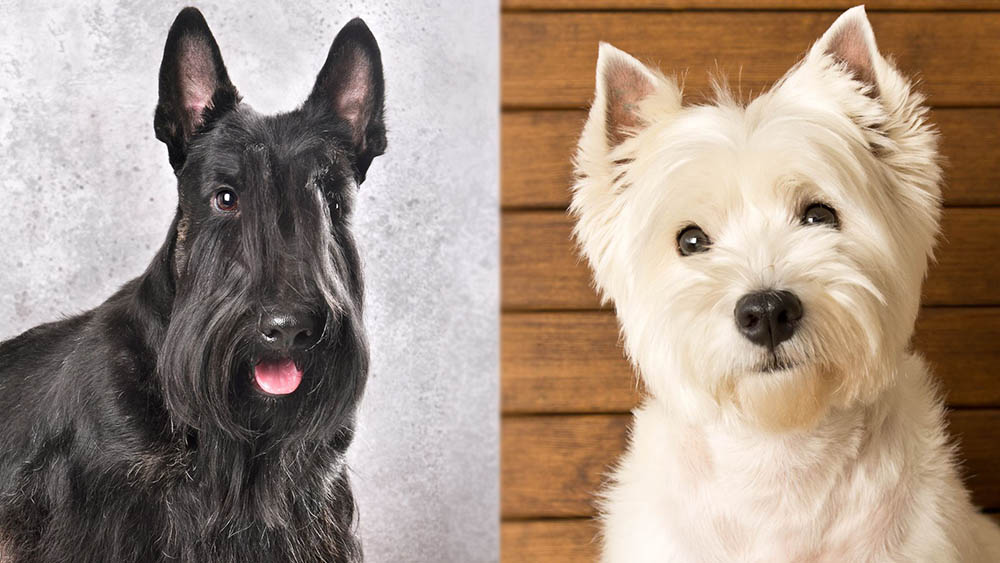
Are you looking for a small dog with a big personality? Look no further than the Scoland Terrier! This charming mixed breed combines the best traits of the spunky Scottish Terrier and the friendly West Highland White Terrier. The result is a clever, energetic companion with a whole lot of terrier moxie.
Whether you‘re already smitten with this scruffy little Scottie-Westie mix or are considering adding one to your family, read on to discover everything you need to know about the delightful Scoland Terrier.
History and Origins
The Scoland Terrier is a relatively new hybrid, believed to have originated in the United States within the last few decades. While the exact circumstances of the first breeding are unknown, it‘s easy to see why some clever person decided to mix the Scottish Terrier and West Highland White Terrier.
These two feisty terrier breeds share similar histories and temperaments. Both the Scottie and Westie hail from Scotland, where they were originally bred to hunt rats and other vermin on farms. The Scottish Terrier dates back to at least the 16th century, while the West Highland White Terrier emerged in the 19th century as a white-coated variety of the Cairn Terrier.
The Scottie and Westie‘s shared heritage as tenacious, independent hunters gives the Scoland Terrier its lively, bold, and sometimes stubborn personality. Combining the two breeds produces a small dog with a delightfully scruffy appearance, high intelligence, and endless enthusiasm.
Scoland Terrier Characteristics
The Scoland Terrier is a small-statured dog with the compact, muscular body typical of terriers. They have short legs, a deep chest, and a slightly elongated back. The table below shows the average size range for fully grown Scoland Terriers:
| Scoland Terrier Size | Male | Female |
|---|---|---|
| Height | 10-12 inches | 9-11 inches |
| Weight | 18-24 pounds | 15-21 pounds |
As a mix of two similar breeds, the Scoland Terrier‘s appearance can vary. Some take after their Scottish Terrier parent with a longer, more rectangular muzzle and beard. Others have the rounded head, shorter nose, and fuller cheeks of a West Highland White Terrier. Most Scolands have alert, upright ears and expressive almond-shaped eyes.
The Scoland Terrier sports a double coat consisting of a soft, dense undercoat covered by a harsh, wiry outer coat. The most common coat colors are:
- Black
- Wheaten (pale tan to rich golden)
- Black brindle
- White
- Black and white
- Wheaten and white
Many Scolands have white markings on the chest, feet, and sometimes the face. The coat is about 2 inches long and requires regular grooming to maintain its neat but shaggy terrier look.
Temperament: Bold, Bright, and Beloved
"Scoland Terriers are small dogs with big dog attitudes. They have no idea they weigh less than 20 pounds – in their minds, they‘re always the biggest dog in the room! That bold terrier confidence combined with the Westie‘s friendliness makes them such fun and affectionate companions." – Sarah M., Scoland Terrier owner
Scoland Terriers are lively, playful dogs with an abundance of classic terrier feistiness. They fearlessly approach the world with bright-eyed curiosity and unshakable confidence. Highly intelligent, Scolands are quick learners but can also be quite independent and stubborn at times.
True to their working terrier roots, Scoland Terriers have a strong instinct to dig, chase, and bark. They‘ll patrol your yard for squirrels and alert you to every passing leaf with enthusiastic woofs. While trainable, they may always feel compelled to give in to these urges on occasion. A securely fenced yard and a healthy sense of humor help when raising a Scoland.
Despite their feisty side, Scoland Terriers are deeply devoted to their families. They bond closely with their favorite humans and love being involved in all household activities. Your Scoland will want to supervise dishwashing from a kitchen chair, "help" you work from the warm spot on your lap, and snooze at your feet while you watch TV.
While not as barky as some small dogs, Scoland Terriers are alert and don‘t hesitate to sound the alarm if they spy something suspicious. They can be aloof with strangers and aggressive toward other dogs if not properly socialized. With their family, however, Scolands are happy-go-lucky, affectionate companions with endearingly clownish personalities.
Caring for Your Scoland Terrier
Scoland Terriers are energetic and intelligent dogs that need regular exercise and mental stimulation to stay happy and healthy. A well-cared-for Scoland can live 12 to 15 years.
Exercise and Play
"People are always surprised by how much energy my Scoland Terrier Wally has. For a little dog, he‘s go-go-go all the time. Daily walks are a must, but his favorite thing is when we set up obstacle courses in the living room for him to race through. It‘s so fun to watch him fly over couch cushion jumps with that huge terrier grin!" – Maria T., Scoland Terrier owner
Despite their small size, Scoland Terriers are high-energy dogs that require at least 45-60 minutes of daily exercise. A couple of brisk walks supplemented with active play sessions will help keep your Scoland fit and mentally stimulated.
Some great exercise ideas for Scoland Terriers:
- Playing fetch
- Setting up indoor or outdoor obstacle courses
- Joining a doggy sports class like agility or flyball
- Playing chase or hide-and-seek with family members
- Puzzle toys and treat dispensers
- Learning new tricks and commands
Scoland Terriers enjoy having a fenced yard to run around in, but it‘s still important to provide structured exercise and playtime. A bored Scoland will find their own entertainment, usually by digging up your petunias or unmanning a stuffed toy.
Grooming
The Scoland Terrier‘s wiry coat requires regular grooming to look its best. Brush your Scoland at least twice a week using a slicker brush or pin brush to remove any mats or tangles in the undercoat.
To maintain the coat‘s harsh, neat texture, it‘s important to hand strip or pluck out the dead hairs from the outer coat every 2-3 months. Many owners prefer to have this done by a professional groomer. If you want a lower-maintenance option, you can clip the coat short instead, but this will make the coat softer over time.
In addition to coat care, your Scoland Terrier will need:
- Baths every 4-6 weeks or as needed
- Regular nail trims (usually every 2-4 weeks)
- Ear cleaning to prevent infection
- Toothbrushing several times a week
Training and Socialization
"My advice to new Scoland Terrier owners is be patient and consistent with training. They are smart dogs that learn quickly, but you have to convince them that listening to you is worth their while. Reward them with lots of praise and yummy treats when they get it right and don‘t engage in power struggles over obedience. Making training feel like a fun game works much better than trying to force them into submission." – Dr. Cynthia Perez, DVM
Scoland Terriers are highly intelligent dogs with independent streaks. They respond best to positive reinforcement training using rewards like treats, praise, and play. Keep training sessions short and fun so your Scoland stays engaged.
From a young age, focus on curbing nuisance barking, digging, and chasing behavior. Important skills to teach your Scoland:
- Housebreaking
- Basic obedience (sit, down, stay, come, leave it)
- Walking politely on a leash
- How to settle down and relax on cue
- Not jumping on people or furniture
Socialization is also key for Scoland Terriers. Expose your Scoland puppy to new people, animals, places, and experiences to boost their confidence and prevent shyness or aggression. Take them to puppy classes, dog-friendly stores, and calm parks to practice their social skills.
Food and Nutrition
Feed your adult Scoland Terrier 1 to 1.5 cups of high-quality dry dog food per day, divided into two meals. The exact amount will vary based on your dog‘s size, age, and activity level. Look for a premium food formulated for small-breed dogs with protein sources like chicken, fish, or lamb as the first ingredients.
It‘s important not to overfeed your Scoland, as they can easily become overweight. Keep an eye on your dog‘s body condition and adjust portions as needed to maintain a healthy weight. Limit treats to no more than 10% of their daily calories.
Scoland Terrier puppies need a food made specifically for the nutritional demands of growing small-breed dogs. Feed them 3-4 smaller meals per day until they reach 6 months old, then transition to twice-daily feedings.
Always provide access to fresh, clean water for your Scoland Terrier. Check their bowl regularly and refill or refresh as needed.
Potential Health Issues
The Scoland Terrier is a generally healthy breed, but they can be prone to certain genetic conditions inherited from their parent breeds. Responsible breeders screen their dogs for these health issues to reduce the risk of passing them on to puppies. Common health concerns in Scoland Terriers include:
| Health Issue | Symptoms | Prevention |
|---|---|---|
| Patellar Luxation | Limping, skipping steps, holding leg up | Keep dog at healthy weight, provide joint supplements |
| Von Willebrand Disease | Prolonged bleeding after injury or surgery | Genetic testing of breeding dogs |
| Craniomandibular Osteopathy | Swollen jaw, difficulty eating, fever | Genetic testing of breeding dogs |
| Skin Allergies | Itching, redness, hair loss, skin infections | Identify and avoid allergens, medicated baths, prescription diets |
| Dental Disease | Bad breath, yellow tartar buildup, red gums | Regular toothbrushing and professional dental cleanings |
To minimize health risks, purchase your Scoland Terrier from a reputable breeder that performs genetic tests on their breeding dogs. Discuss the health histories of your puppy‘s parents and ask to see any relevant veterinary records or certifications.
Keeping your Scoland at a healthy weight, feeding a high-quality diet, providing regular exercise, and staying current on preventative care like vaccines and parasite control can also help prevent health problems. Follow your veterinarian‘s recommendations for routine check-ups and screenings to catch any developing issues early.
Finding Your Scoland Terrier
If you‘ve fallen in love with the spunky Scoland Terrier, you‘ll need to do some research to find a well-bred, healthy puppy. Scolands are still fairly uncommon and may be difficult to find.
Start your search by looking for reputable Scoland Terrier breeders. Expect to spend between $1,200 and $3,000 for a responsibly-bred Scoland puppy. Avoid pet stores, online sellers, and anyone offering puppies at discounted prices, as these dogs may come from puppy mills or backyard breeders.
A good breeder will be happy to answer all your questions about their dogs‘ health, temperament, and pedigrees. They should provide health certifications for the puppy‘s parents and allow you to visit their kennel to see the conditions the dogs are raised in.
You may occasionally find a Scoland Terrier in a shelter or rescue, especially one focused on small dogs or terrier breeds. However, these dogs are often adopted quickly. Let local shelters and breed-specific rescues know you‘re looking for a Scoland and check their websites frequently for new arrivals.
No matter where you find your Scoland Terrier, it‘s important to choose a puppy or dog with a friendly, outgoing personality. Well-socialized Scolands should be confident and curious in new situations, not timid or aggressive. Spend time interacting with any potential dog to get a feel for their unique temperament before bringing them home.
Is the Scoland Terrier Right for You?
"Scolands are the perfect little companions if you can match their energy level. They do need a good bit of exercise and playtime, but they give so much love and laughter in return. I love coming home from work to my Scoland Fin‘s wiggly full-body greetings and goofy antics. He always brightens my day no matter what kind of mood I‘m in." – James P., Scoland Terrier owner
The Scoland Terrier can be a wonderful addition to the right home. Their small size, portability, and endless affection make them great companions for apartment dwellers, active singles, or families with older children. They‘ll keep you endlessly entertained with their playful, plucky personalities.
However, Scolands aren‘t couch potato dogs. They have high exercise needs and can become bored and destructive if left alone too much. Scolands do best with an owner who enjoys spending lots of active quality time with their dog.
Scoland Terriers also need patient, consistent training to overcome any stubborn streaks and develop into well-mannered canine citizens. Novice dog owners may find them challenging at first, but with clear rules and positive training, Scolands blossom into loyal, obedient pets.
If you‘re looking for a travel-sized dog with a huge zest for life, the Scoland Terrier might be your perfect match. They‘ll shower you with affection, keep you laughing with their terrier antics, and always be up for the next adventure. With proper care and training, the Scoland Terrier can be a beloved best friend for many fun-filled years.