When Do Golden Retrievers Calm Down? A Comprehensive Guide
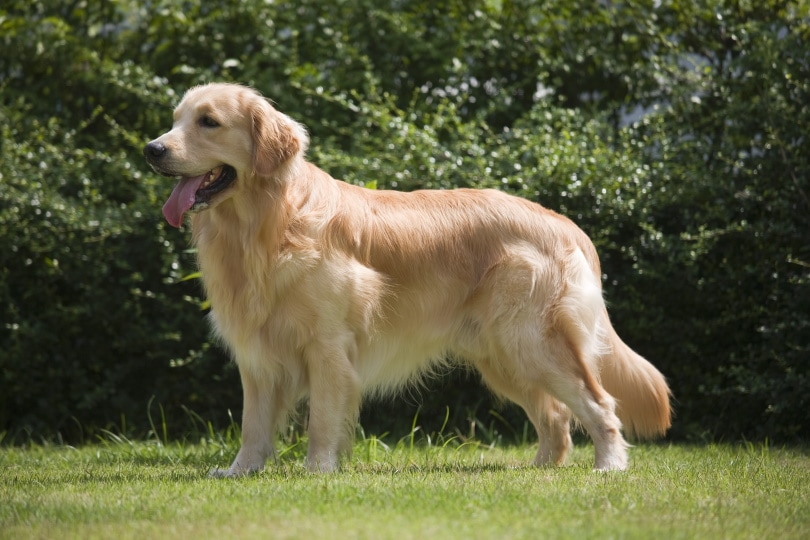
Golden Retrievers are one of the most beloved dog breeds, known for their friendly, outgoing personalities and their loyalty to their families. As a dog lover and veterinarian, I‘ve had the pleasure of watching countless Golden Retrievers grow from energetic, mischievous puppies into calm, well-mannered adult dogs. In this comprehensive guide, I‘ll share my insights and expertise on when Golden Retrievers typically calm down and what you can do to help your furry friend mature into a well-behaved companion.
Understanding Golden Retriever Puppy Development
To better understand when Golden Retrievers calm down, it‘s essential to have a grasp of their developmental stages. Like all dogs, Golden Retrievers go through distinct stages of growth and maturity, each with its own set of challenges and milestones.
Neonatal Period (0-2 weeks)
During this stage, Golden Retriever puppies are entirely dependent on their mother for food, warmth, and elimination. They are born blind and deaf, with limited sensory abilities.
Transitional Period (2-4 weeks)
Puppies begin to develop their senses of hearing and sight during this stage. They start to explore their surroundings and interact with their littermates and mother.
Socialization Period (4-12 weeks)
This critical stage is when Golden Retriever puppies learn about their environment, form social bonds, and develop their personality. Proper socialization during this time is crucial for a well-adjusted adult dog.
Juvenile Period (3-6 months)
Golden Retriever puppies enter the "teenage" stage, marked by rapid growth, increased energy levels, and a greater capacity for learning. This is the ideal time to begin obedience training and establishing good habits.
Adolescent Period (6-18 months)
During this stage, Golden Retrievers reach sexual maturity and may exhibit more challenging behaviors, such as selective hearing and testing boundaries. Consistent training and positive reinforcement are essential during this time.
Adult Period (18 months-2 years)
Most Golden Retrievers reach their full adult size and begin to show signs of emotional maturity during this stage. However, they may still have plenty of energy and playfulness.
Maturity (2-3 years)
Between 2 and 3 years of age, most Golden Retrievers have fully transitioned into adulthood. They typically display a calmer demeanor, better impulse control, and a more reliable response to commands.
Golden Retriever Energy Levels by Age
To give you a better idea of what to expect in terms of your Golden Retriever‘s energy levels as they grow, consider the following table:
| Age | Average Daily Exercise Needs | Typical Energy Level |
|---|---|---|
| 8-16 weeks | 20-40 minutes | Very high |
| 4-6 months | 40-60 minutes | High |
| 6-12 months | 60-90 minutes | High |
| 1-2 years | 60-120 minutes | Moderate to high |
| 2-7 years | 60-90 minutes | Moderate |
| 7+ years | 30-60 minutes | Low to moderate |
Note: These are general guidelines, and individual dogs may have higher or lower exercise needs based on their specific energy levels and health status.
As you can see, Golden Retrievers require significant amounts of exercise throughout their lives, particularly during their puppy and adolescent stages. Providing appropriate outlets for their energy is crucial in helping them develop into calm, well-behaved adult dogs.
The Importance of Early Training and Socialization
One of the most critical factors in determining when your Golden Retriever will calm down is their early experiences with training and socialization. As mentioned earlier, the socialization period between 4 and 12 weeks of age is a crucial time for exposing your puppy to a wide variety of people, animals, environments, and experiences.
According to the American Veterinary Society of Animal Behavior (AVSAB), "Behavioral problems are the greatest threat to the owner-dog bond. In fact, behavioral problems are the number one cause of relinquishment to shelters." By investing time and effort into proper socialization and training during your Golden Retriever‘s early months, you can help prevent future behavior issues and set them up for success as a calm, well-adjusted adult dog.
Some key aspects of early training and socialization for Golden Retrievers include:
- Puppy kindergarten classes
- Positive reinforcement training techniques
- Exposure to a variety of people, animals, and environments
- Teaching basic obedience commands (sit, stay, come, heel)
- Addressing common behavior issues (mouthing, jumping, chewing)
- Crate training and housebreaking
Remember, consistency and patience are essential when training and socializing your Golden Retriever puppy. Celebrate their progress and remain committed to their development, even during the challenging adolescent stage.
The Role of Exercise in Golden Retriever Energy Levels
Golden Retrievers are an active, athletic breed that requires regular exercise to maintain their physical and mental well-being. Providing appropriate outlets for your Golden Retriever‘s energy is essential in helping them calm down and develop into a well-behaved adult dog.
The amount of exercise your Golden Retriever needs will vary based on their age, health status, and individual energy levels. However, as a general rule, adult Golden Retrievers require at least 60-90 minutes of physical activity per day, divided into two or more sessions. This can include:
- Walks or runs
- Playtime in a securely fenced yard
- Swimming (Golden Retrievers are naturally strong swimmers)
- Fetch or frisbee
- Hiking or jogging alongside you
- Dog sports like agility, obedience, or flyball
In addition to physical exercise, Golden Retrievers also need regular mental stimulation to keep their minds engaged and prevent boredom-related behavior issues. Some great ways to provide mental stimulation for your Golden Retriever include:
- Puzzle toys and interactive feeders
- Scent work games
- Obedience training sessions
- Learning new tricks or commands
- Participating in dog sports or therapy work
By providing your Golden Retriever with a balanced combination of physical exercise and mental stimulation, you can help them expend their energy in positive ways and develop into a calm, well-behaved adult dog.
Addressing Common Golden Retriever Behavior Issues
Even with proper training and socialization, Golden Retrievers may exhibit some challenging behaviors during their puppy and adolescent stages. Some common behavior issues in Golden Retrievers include:
- Mouthing and nipping
- Jumping up on people
- Chewing on inappropriate objects
- Pulling on the leash
- Selective hearing or ignoring commands
It‘s essential to address these behavior issues promptly and consistently to prevent them from becoming entrenched habits. Some tips for managing common Golden Retriever behavior issues include:
- Redirecting mouthing and chewing to appropriate toys
- Teaching an "off" or "four on the floor" command for jumping
- Using positive reinforcement to reward good behavior
- Providing plenty of exercise and mental stimulation
- Attending obedience classes or working with a professional trainer
Remember, patience and consistency are key when addressing behavior issues in Golden Retrievers. Celebrate your dog‘s progress and remain committed to their training and development.
The Benefits of Structured Activities for Golden Retrievers
In addition to regular exercise and training, participating in structured activities can be an excellent way to channel your Golden Retriever‘s energy and help them develop into a calm, well-behaved adult dog. Some great structured activities for Golden Retrievers include:
- Obedience training classes
- Agility or flyball competitions
- Therapy dog work
- Search and rescue training
- Hiking or camping trips
- Swimming or dock diving
Participating in structured activities not only provides physical and mental stimulation for your Golden Retriever but also strengthens your bond and helps them develop valuable skills and good behavior habits.
A Note on Spaying and Neutering
Spaying or neutering your Golden Retriever can have a positive impact on their behavior and energy levels. According to the American Kennel Club (AKC), "Spayed or neutered dogs are less likely to exhibit certain undesirable behaviors, such as marking territory, humping, or roaming."
Additionally, spaying or neutering can help reduce your Golden Retriever‘s risk of certain health issues, such as mammary tumors, prostate problems, and testicular cancer.
It‘s generally recommended to spay or neuter your Golden Retriever around 6-12 months of age, depending on their individual growth and development. Consult with your veterinarian to determine the best time for your specific dog.
Conclusion
As a dog lover and veterinarian, I‘ve had the pleasure of watching countless Golden Retrievers grow from energetic, mischievous puppies into calm, well-mannered adult dogs. While every dog is unique and will mature at their own pace, most Golden Retrievers begin to show signs of calming down between 2 and 3 years of age.
By providing your Golden Retriever with proper training, socialization, exercise, and mental stimulation throughout their development, you can help them mature into a well-behaved, calm companion. Remember, patience, consistency, and positive reinforcement are essential in helping your Golden Retriever reach their full potential.
Cherish every stage of your Golden Retriever‘s life, from their rambunctious puppy days to their golden years. With love, guidance, and plenty of memorable adventures along the way, you and your Golden Retriever will share an unbreakable bond that will last a lifetime.
Resources for Golden Retriever Owners
- Golden Retriever Club of America
- American Kennel Club Golden Retriever Breed Information
- The Golden Retriever Puppy Handbook by R. Ann Johnson
- The Art of Raising a Puppy by The Monks of New Skete
- Zak George‘s Dog Training Revolution: The Complete Guide to Raising the Perfect Pet with Love by Zak George