The Silky Wire-Haired Dachshund: A Comprehensive Guide
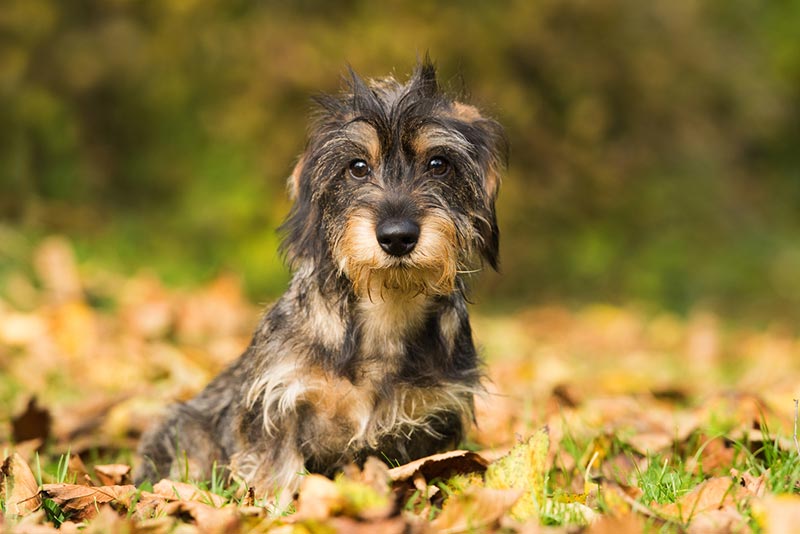
As a lifelong dog lover and veterinarian, I‘ve had the pleasure of working with many dachshunds over the years. While all doxies are charming in their own way, I have a particular fondness for the rare and striking silky wire-haired variety. If you‘re curious about these unique little dogs, you‘ve come to the right place. In this comprehensive guide, I‘ll share my professional insight and personal experience to help you determine if a silky wire-hair might be your ideal canine companion.
Dachshund History and Overview
To fully appreciate silky wire-hairs, it helps to start with an overview of dachshunds as a breed. Dachshunds, often affectionately called wiener dogs or doxies, trace their origins to 15th century Germany. Illustrations from as early as 1450 depict dogs with the distinctive elongated body and short legs of the dachshund. However, the breed didn‘t gain widespread recognition until the 1800s.
Dachshunds were originally bred to fearlessly hunt badgers and other den-dwelling prey, as evidenced by their German name – dachs means badger and hund means dog. Their long, low bodies, paddle-shaped paws, and tenacious personality made them ideally suited for digging into burrows and flushing out game.
Over time, dachshunds transitioned from hunting dogs to beloved companions. They consistently rank in the top 15 most popular breeds in the US according to AKC registration statistics. Here‘s a look at their steady growth in popularity over the past decade:
| Year | AKC Rank |
|---|---|
| 2010 | 13 |
| 2014 | 12 |
| 2018 | 12 |
| 2022 | 10 |
Today‘s dachshunds come in two sizes and three coat types, each with their own unique charms:
| Coat Type | Characteristics |
|---|---|
| Smooth | Short, shiny, close-lying coat |
| Longhaired | Sleek, slightly wavy coat with featherings on legs and ears |
| Wirehaired | Thick, wiry topcoat with a soft undercoat |
Which brings us to the intriguing fourth variety – the silky wire-hair. As the name suggests, these doxies combine the traits of the longhaired and wirehaired types to striking effect. Let‘s take a closer look.
Silky Wire-Haired Dachshund Characteristics
Silky wire-hairs are true head-turners with their unique coats. Imagine the flowing locks of the longhair combined with the coarse texture of the wirehair – that‘s the essence of the silky wire-hair coat. It‘s medium-long with a soft, silky texture that almost shimmers in the light. The hair has a slight wave, especially on the chest and neck. It‘s not quite as dense as the wirehair‘s double coat, which contributes to the silky wire-hair‘s signature flowing look.
This gorgeous coat comes in the same rich colors as other dachshund varieties:
- Clear red
- Black and tan
- Chocolate and tan
- Wild boar (dark with banded hairs)
One of the silky wire-hair‘s most appealing traits is their low-shedding coat. They don‘t leave tumbleweeds of hair around the home like their smooth-coated counterparts. However, that luxurious coat does require regular brushing and occasional trimming to prevent mats, which we‘ll cover in the grooming section.
Silky wire-hairs may have a fancier coat than other doxies, but in all other ways, they‘re classic dachshunds. They have the same curious, friendly, bold personality that‘s won the hearts of dog lovers for centuries.
Like other dachshund varieties, silky wire-hairs come in two size categories. Here‘s a quick size chart for reference:
| Size | Height | Weight |
|---|---|---|
| Standard | 8-9 in | 16-32 lbs |
| Miniature | 5-6 in | < 11 lbs |
No matter the size, silky wire-hairs are sturdy little dogs with an animated, expressive face. Their almond-shaped eyes sparkle with intelligence, while their long, droopy ears frame their face charmingly.
Now that you have a sense of what makes silky wire-hairs so captivating, let‘s explore their origins and rarity within the dachshund family.
Origins and Rarity of Silky Wire-Haired Dachshunds
Compared to the centuries-long history of smooth and longhaired dachshunds, silky wire-hairs are relative newcomers. They originated in late 19th century Germany as breeders experimented with crossing longhaired and wirehaired dachshunds.
The exact motivation behind creating silky wire-hairs is uncertain, but there are a few compelling theories. Some believe breeders aimed to develop a dachshund variety with the low-shedding coat of the wirehair but the flowing elegance of the longhair. Others speculate that silky wire-hairs may have arisen accidentally in wirehaired litters and were then purposefully bred for their unique look.
Regardless of their origins, silky wire-hairs remain quite rare to this day, especially outside Germany. Many major kennel clubs like the AKC don‘t recognize silky wire-hairs as an official fourth variety of dachshund. However, some international organizations focused on dachshund welfare, like the World Wirehaired Dachshund Club, do acknowledge and advocate for silky wire-hairs.
While exact population counts are hard to come by, silky wire-hairs almost certainly number in just the thousands worldwide compared to the millions of smooth, longhaired, and wirehaired dachshunds. Within the US, only a handful of breeders specialize in producing healthy, well-socialized silky wire-hair puppies.
If you‘re set on bringing home one of these rare treasures, be prepared to do your research and spend time on waiting lists, which we‘ll cover more in the finding a silky wire-hair section. For now, let‘s talk about what life is like with one of these unique doxies.
Silky Wire-Hair Grooming and Care
Silky wire-hairs may be small in stature, but they have big personalities. These clever, playful little dogs thrive on being the center of your world. They‘ll want to be involved in all your daily activities, from working at your side to snuggling on the couch. While they‘re known for being affectionate lap dogs, silky wire-hairs still need plenty of exercise and mental stimulation to stay happy and healthy.
Here‘s a sample daily schedule for life with an adult silky wire-hair:
- 7am: Morning walk and potty break
- 8am: Breakfast and playtime
- 10am: Cuddle time while you work or read
- 12pm: Midday walk or backyard play session
- 3pm: Afternoon nap on the couch
- 5pm: Evening walk and potty break
- 6pm: Dinner and playtime
- 8pm: Final potty break and cuddle time
- 10pm: Bedtime
Of course, puppies will need a more frequent potty and feeding schedule. Regardless of age, the key is providing your silky wire-hair with consistent love, exercise, socialization, and boundaries.
While their energetic personality is endearing, it‘s important to remember that dachshunds were bred to be independent hunters. They can have a stubborn streak, so early training and socialization are essential. Reward-based training methods tend to work best with dachshunds. Keep sessions short and fun to hold your silky wire-hair‘s attention.
Aside from training, grooming is the other essential component of silky wire-hair care. That gorgeous low-shedding coat requires regular attention to stay looking its best. Most silky wire-hairs need brushing at least 3 times per week with a slicker brush or pin brush. They‘ll also need occasional trims, especially around the face, ears, and paws, to prevent mats and keep the coat looking tidy.
Here‘s a quick checklist of recommended grooming supplies:
- Slicker brush
- Pin brush
- Steel comb
- Scissors
- Nail clippers
- Gentle dog shampoo
- Detangling spray or coat conditioner
In addition to coat care, it‘s important to keep your silky wire-hair‘s nails trimmed short and their ears clean and dry to prevent infections. Weekly paw inspections are also a good idea with dachshunds, as they can be prone to developing thickened paw pads.
Like all dachshunds, silky wire-hairs are susceptible to certain hereditary health problems, especially back issues like IVDD (intervertebral disc disease). IVDD occurs when the cushioning discs between the vertebrae of the spine bulge or burst, causing pain, nerve damage, and sometimes paralysis.
According to a 2022 UK study, 25% of dachshunds will experience some form of IVDD in their lifetime. Some warning signs to watch for include:
- Reluctance to jump or climb stairs
- Yelping when picked up
- Hunched back or neck
- Weakness or wobbliness in the hind legs
- Loss of bladder or bowel control
If you notice any of these red flags, contact your veterinarian right away. IVDD can often be managed with rest, pain medication, and physical therapy if caught early. In severe cases, surgery may be necessary.
One of the best ways to lower your dachshund‘s IVDD risk is keeping them at a healthy weight. Extra pounds put added strain on the back and joints. Feed your silky wire-hair a balanced diet, measure portions carefully, and limit treats to 10% of their daily calorie intake. A healthy adult silky wire-hair will have visible tuck-up at the waist and ribs that can be felt but not seen.
With proper care and a bit of luck, silky wire-hairs can enjoy a lifespan of 12-16 years. The oldest known dachshund, a lovely lady named Chanel, lived to be 21! While not every doxie will reach that remarkable age, providing yours with a healthy lifestyle will help them share as many years as possible with you.
Finding a Silky Wire-Haired Dachshund
If learning about silky wire-hairs has you dreaming of adding one of these unique little dogs to your family, your next step is finding a reputable breeder. Due to their rarity, locating a well-bred silky wire-hair can be a challenge, but it‘s well worth the effort.
Your first resource should be contacting dachshund breed clubs. While not all recognize silky wire-hairs as an official variety, they can often provide referrals to breeders that specialize in this rare type. Organizations like the Dachshund Club of America and the World Wirehaired Dachshund Club can be excellent starting points.
Once you have a list of potential breeders, it‘s essential to thoroughly research them. A responsible silky wire-hair breeder will:
- Belong to a local or national dachshund club
- Conduct thorough health testing on parents, including IVDD screenings
- Raise puppies in the home with socialization and early training
- Provide a written contract and health guarantee
- Be willing to answer all your questions and let you meet the puppy‘s parents
- Specialize in just a few breeds or litters per year
Here are some red flags to watch for when breeder shopping:
- Offering puppies at steep discounts or constantly having litters available
- Inability to provide health clearances for puppy parents
- Trying to sell puppies online or ship them without meeting first
- Hesitation about letting you meet parents or see the breeding facility
- Breeding multiple dog breeds or failing to ask you any questions about your lifestyle
Once you find a breeder you trust, be prepared to wait for your perfect puppy. Many have waiting lists, especially for specific coat colors or patterns. It‘s normal to wait several months to a year for your puppy to be born. In the meantime, start preparing your home with all the supplies your new silky wire-hair will need.
Here‘s a shopping list for new silky wire-hair owners:
- Appropriately sized crate
- Collars, harnesses, and leashes for a small breed
- Food and water bowls
- AAFCO-approved puppy food for small breeds
- Training treats
- Chew toys, balls, and puzzles
- Soft, washable bedding
- Baby gates to restrict home access
- Puppy training pads
- Grooming supplies
When the time finally comes to bring your silky wire-hair puppy home, expect to pay anywhere from $1500-$3500. Remember, you‘re not just paying for the puppy, but for the breeder‘s effort in producing a healthy, well-socialized dog that will be your cherished companion for the next decade or more.
Final Thoughts
If you‘ve made it this far, I hope you‘ve enjoyed learning about the captivating silky wire-haired dachshund. These rare little dogs pack a lot of personality and charm into a small package. With their flowing low-shedding coats and classic doxie spunk, they make delightful companions for the right person or family.
As a veterinarian, my best advice for potential silky wire-hair owners is to do your homework. Research the breed thoroughly, connect with other owners, and take your time finding a responsible breeder. Once you bring your puppy home, commit to providing them with lifelong training, socialization, grooming, and healthcare.
In return, your silky wire-hair will enrich your days with laughter, love, and the deep bond that can only be found with a dachshund. There‘s truly no other dog quite like them! As someone who‘s been lucky enough to share my life with doxies, I can say the joys far outweigh the challenges.
Thank you for taking the time to learn about this fascinating rare breed. If a silky wire-hair has captured your heart, I wish you the best of luck in finding your new forever friend. With some patience and preparation, you‘ll soon discover the incomparable delights of dachshund ownership.