The Best Mobility Service Dog Breeds: A Comprehensive Guide

Mobility service dogs are life-changing companions for individuals with disabilities, providing them with greater independence, confidence, and improved quality of life. These remarkable dogs are trained to perform a wide range of tasks, such as providing balance support, retrieving objects, opening doors, and even assisting with dressing and undressing. As a dog lover and admirer of these incredible animals, I‘ve created this comprehensive guide to help you understand the best mobility service dog breeds and the qualities that make them excel in this important role.
The Growing Need for Mobility Service Dogs
According to the World Health Organization, over 1 billion people worldwide live with some form of disability, with mobility disabilities being among the most common. In the United States alone, the Centers for Disease Control and Prevention (CDC) estimates that 13.7% of adults (over 35 million people) have a mobility disability, making it the most prevalent type of disability in the country.
| Disability Type | Prevalence (U.S. Adults) |
|---|---|
| Mobility | 13.7% |
| Cognition | 10.8% |
| Independent Living | 6.8% |
| Hearing | 5.9% |
| Vision | 4.6% |
| Self-Care | 3.7% |
Source: CDC, Disability and Health Promotion
As the population ages and the prevalence of chronic conditions increases, the demand for mobility service dogs is expected to grow. These skilled dogs play a crucial role in helping individuals with disabilities maintain their independence and participate more fully in their communities.
What Makes a Good Mobility Service Dog?
Not all dog breeds are equally suited for the demanding work of a mobility service dog. To excel in this role, a dog must possess specific physical, mental, and emotional characteristics, including:
-
Size and strength: Mobility service dogs must be large enough and strong enough to provide balance support and assist with tasks such as pulling a wheelchair or opening heavy doors.
-
Temperament: A calm, stable temperament is essential for a mobility service dog. They must be able to remain focused and composed in various environments and situations, from quiet home settings to busy public spaces.
-
Intelligence and trainability: Mobility service dogs need to be highly intelligent and easy to train. They must be able to learn and perform a wide range of tasks and commands, often with minimal guidance from their handlers.
-
Sociability: A friendly, outgoing personality is crucial for a mobility service dog, as they will often accompany their handler in public settings and interact with various people and animals.
-
Health: Mobility service dogs must be physically healthy and free from genetic disorders that could impact their ability to perform their duties over their working life.
Top 10 Mobility Service Dog Breeds
Based on the essential qualities outlined above, the following breeds are considered among the best for mobility service work:
1. Labrador Retriever
Labrador Retrievers are the most popular choice for mobility service dogs, and for good reason. These intelligent, friendly, and highly trainable dogs excel in a variety of service roles. Labs are large enough to provide balance support and have the strength and stamina to assist with physically demanding tasks. Their even-tempered nature and adaptability make them well-suited for work in public settings.
2. Golden Retriever
Like their Labrador counterparts, Golden Retrievers are known for their intelligence, trainability, and friendly disposition. These large, strong dogs are well-suited for mobility service work, and their eager-to-please nature makes them a joy to work with. Goldens are also known for their patience and gentleness, making them an excellent choice for handlers with children.
3. German Shepherd
German Shepherds are renowned for their intelligence, loyalty, and versatility. These large, muscular dogs have a long history of service work, excelling in roles such as police and military work, search and rescue, and assistance for people with disabilities. German Shepherds are highly trainable and have the strength and stamina necessary for mobility service work. However, their high energy levels and protective nature may require more extensive socialization and training to ensure they remain calm and focused in public settings.
4. Standard Poodle
Standard Poodles are often overlooked as service dogs, but they possess many qualities that make them well-suited for mobility work. These intelligent, athletic dogs are highly trainable and have a keen desire to please their handlers. Standard Poodles are also known for their hypoallergenic coats, making them a good choice for individuals with allergies. However, their coats require regular grooming to maintain a neat appearance.
5. Bernese Mountain Dog
Bernese Mountain Dogs are large, strong, and gentle giants. These striking dogs have a calm, even-tempered nature and a strong desire to please, making them well-suited for mobility service work. Berners are known for their loyalty and affectionate nature, forming strong bonds with their handlers. However, their large size and heavy coats may make them less suitable for handlers with limited space or those living in hot climates.
6. Great Dane
Great Danes are one of the largest dog breeds, making them an excellent choice for handlers who require significant balance support. Despite their imposing size, Great Danes are known for their gentle, friendly nature and adaptability to various situations. These intelligent dogs are highly trainable and have a strong desire to please their handlers. However, their large size also means they have shorter lifespans compared to smaller breeds, typically around 6-8 years.
7. Mastiff
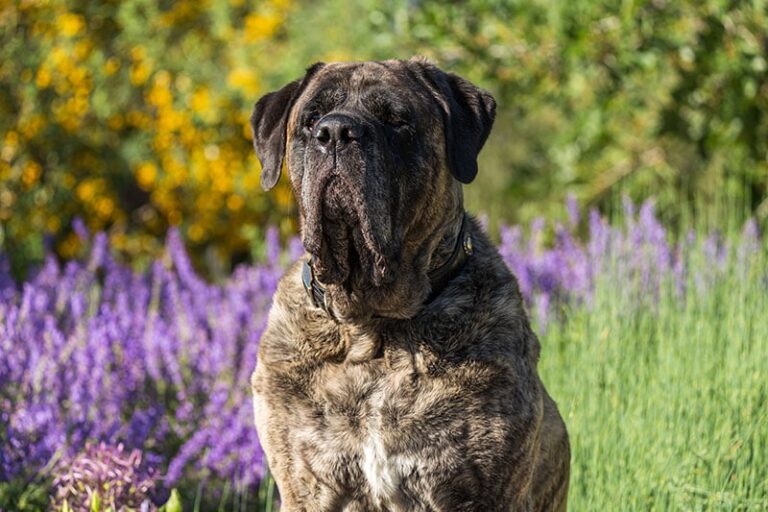
Mastiffs are another giant breed known for their strength, loyalty, and gentle nature. These massive dogs have a calm, even-tempered disposition and are well-suited for providing balance support and assistance with physical tasks. Mastiffs are intelligent and trainable, but their independent nature may require more patience and consistency in training compared to some other breeds.
8. Saint Bernard
Saint Bernards are large, powerful dogs with a rich history of service in the Swiss Alps. These gentle giants are known for their calm, patient nature and strong desire to please their handlers. Saint Bernards have the size and strength necessary for mobility service work, but their heavy coats and potential for drooling may not be suitable for all handlers.
9. Newfoundland
Newfoundlands are another large, strong breed with a history of service work. These gentle, intelligent dogs are known for their calm, even-tempered nature and strong swimming abilities. Newfoundlands have the size and strength necessary for mobility service work, and their friendly, outgoing personality makes them well-suited for work in public settings. However, like Saint Bernards, their heavy coats and drooling tendencies may not be ideal for all handlers.
10. Rottweiler
Rottweilers are powerful, intelligent, and loyal dogs with a long history of service work. These confident, protective dogs are well-suited for mobility service work, providing both physical support and a sense of security for their handlers. Rottweilers are highly trainable, but their independent nature and potential for aggression if not properly socialized and trained may make them a better choice for experienced handlers.
The Importance of Training and Socialization
Regardless of the breed chosen, proper training and socialization are essential for any mobility service dog. Service dogs must be able to perform a wide range of tasks and remain calm and focused in various environments, including public settings with many distractions.
Training a mobility service dog requires significant time, effort, and resources. It typically involves a combination of basic obedience training, task-specific training, and public access training. According to Assistance Dogs International (ADI), a coalition of non-profit assistance dog organizations, the training process can take anywhere from 6 months to 2 years, depending on the dog‘s individual progress and the complexity of the tasks they are learning.
Socialization is also crucial, exposing the dog to a variety of people, animals, and situations from a young age to ensure they develop into confident, well-adjusted adults. Proper socialization helps prevent fear, anxiety, and aggression in service dogs, ensuring they can perform their duties effectively and safely in any environment.
Acquiring a Mobility Service Dog
Acquiring a mobility service dog is a significant investment, both financially and emotionally. The cost of a fully-trained mobility service dog can range from $15,000 to $30,000, depending on the organization and the specific training required for the individual‘s needs.
There are several paths to acquiring a mobility service dog, including:
-
Working with a service dog organization: Many non-profit organizations specialize in training and placing mobility service dogs with individuals in need. These organizations typically cover the cost of breeding, raising, and training the dog, and may require the handler to participate in training sessions to learn how to work effectively with their new partner.
-
Owner-training: Some individuals choose to train their own mobility service dog, either with the guidance of a professional trainer or through a self-directed training program. This option can be more cost-effective but requires significant time, effort, and dedication from the handler.
-
Purchasing a trained dog: Some organizations and private trainers offer fully-trained mobility service dogs for sale. This option can be more expensive but allows the handler to receive a dog that is ready to work immediately.
Regardless of the path chosen, it is essential to work with reputable organizations or trainers who adhere to high standards of breeding, training, and placement. Organizations accredited by Assistance Dogs International (ADI) or the International Guide Dog Federation (IGDF) are required to meet strict standards of excellence in all aspects of their operations, ensuring the quality and reliability of their service dogs.
The Impact of Mobility Service Dogs
For individuals with mobility disabilities, a service dog can be a life-changing partner, providing not only physical assistance but also emotional support and companionship. Here are some stories from individuals whose lives have been transformed by their mobility service dogs:
"My service dog, Luna, has given me back my independence. Before I had her, I was afraid to leave my house alone, worried that I might fall or struggle with tasks like opening doors. Now, with Luna by my side, I feel confident and capable. She‘s not just my service dog, she‘s my best friend." – Maria, 45, spinal cord injury
"When I first got my service dog, Cooper, I was skeptical about how much he could really help me. But now, I can‘t imagine my life without him. He helps me with so many tasks, from picking up dropped items to providing balance support when I walk. He‘s also a great icebreaker when I‘m out in public, and has helped me connect with so many new people." – James, 32, multiple sclerosis
These stories illustrate the profound impact that mobility service dogs can have on their handlers‘ lives, providing not only practical assistance but also a renewed sense of independence, confidence, and social connection.
Legal Rights and Public Awareness
Individuals with mobility service dogs have specific legal rights under the Americans with Disabilities Act (ADA). The ADA requires that service dogs be allowed to accompany their handlers in all public spaces, including restaurants, stores, hotels, and public transportation.
However, despite these legal protections, many individuals with service dogs still face challenges and discrimination in public settings. A lack of awareness and understanding about the role and rights of service dogs can lead to conflicts and misunderstandings, making it difficult for handlers to navigate public spaces with their dogs.
To help address these challenges, it is essential to promote public awareness and education about mobility service dogs and the vital role they play in assisting individuals with disabilities. This can include:
-
Educating business owners and employees: Providing training and resources to help businesses understand their legal obligations and best practices for interacting with service dog teams.
-
Encouraging positive media representation: Sharing stories and examples of successful mobility service dog partnerships in the media to help promote understanding and acceptance.
-
Supporting advocacy organizations: Donating to or volunteering with organizations that work to promote the rights and well-being of individuals with disabilities and their service dogs.
By increasing public awareness and understanding, we can create a more inclusive and supportive environment for individuals with mobility service dogs, ensuring they have equal access to all aspects of public life.
Retiring and End-of-Life Care for Mobility Service Dogs
Mobility service dogs typically work for 8-10 years, depending on their health and the demands of their job. As these dogs age and their abilities decline, it is essential to plan for their retirement and end-of-life care.
Many service dog organizations have retirement programs in place to ensure their dogs are well-cared for in their golden years. These programs may involve the dog being adopted by their former handler or another loving family, with ongoing support and veterinary care provided by the organization.
For owner-trained dogs or those acquired through other means, it is important for the handler to have a plan in place for their dog‘s retirement and end-of-life care. This may include:
-
Identifying a retirement home: Finding a loving family or individual who is willing and able to provide a comfortable retirement home for the dog when they are no longer able to work.
-
Setting aside funds: Saving money throughout the dog‘s working life to cover the costs of their retirement and end-of-life care, including veterinary expenses and any necessary accommodations.
-
Making legal arrangements: Establishing a trust or other legal arrangement to ensure the dog‘s needs will be met if the handler is no longer able to care for them.
By planning ahead and ensuring our mobility service dogs are well-cared for throughout their lives, we can honor the incredible service and devotion they provide to their handlers.
Resources for Acquiring and Supporting Mobility Service Dogs
If you or someone you know is interested in acquiring a mobility service dog or supporting organizations that train and provide these incredible animals, here are some resources to get you started:
-
Assistance Dogs International (ADI): A coalition of non-profit assistance dog organizations that sets standards and accredits programs worldwide. Their website provides a directory of member organizations and resources for individuals seeking a service dog.
-
International Association of Assistance Dog Partners (IAADP): A non-profit organization that provides education, support, and advocacy for individuals with assistance dogs. Their website offers resources, information, and a community forum for handlers and supporters.
-
Service Dog Central: An online resource center for individuals interested in service dogs, offering information on training, laws, and resources for acquiring a service dog.
-
Mobility Assistance Dogs (MAD) Charity: A UK-based charity that trains and provides mobility assistance dogs to individuals with physical disabilities. Their website offers information on their programs and ways to support their work.
-
The Seeing Eye: One of the oldest and largest guide dog schools in the world, The Seeing Eye also provides mobility assistance dogs for individuals with physical disabilities. Their website offers information on their programs and ways to support their mission.
By supporting these organizations and others like them, we can help ensure that more individuals with disabilities have access to the life-changing partnership of a mobility service dog.
Conclusion
Mobility service dogs are extraordinary animals that provide essential assistance and support to individuals with disabilities. By understanding the qualities that make a good mobility service dog and the breeds best suited for this important work, we can help more people find the perfect partner to help them navigate life‘s challenges.
As dog lovers, it is our responsibility to promote greater understanding and acceptance of mobility service dogs and the vital role they play in their handlers‘ lives. By advocating for their rights, supporting the organizations that train and provide them, and ensuring their well-being throughout their lives, we can help create a world where every individual with a disability has access to the independence, confidence, and companionship that a mobility service dog can provide.
Together, let us celebrate the incredible bond between humans and dogs, and work to ensure that these remarkable animals can continue to transform lives for generations to come.