
The Ultimate Guide to Boston Terrier Size, Weight, and Growth
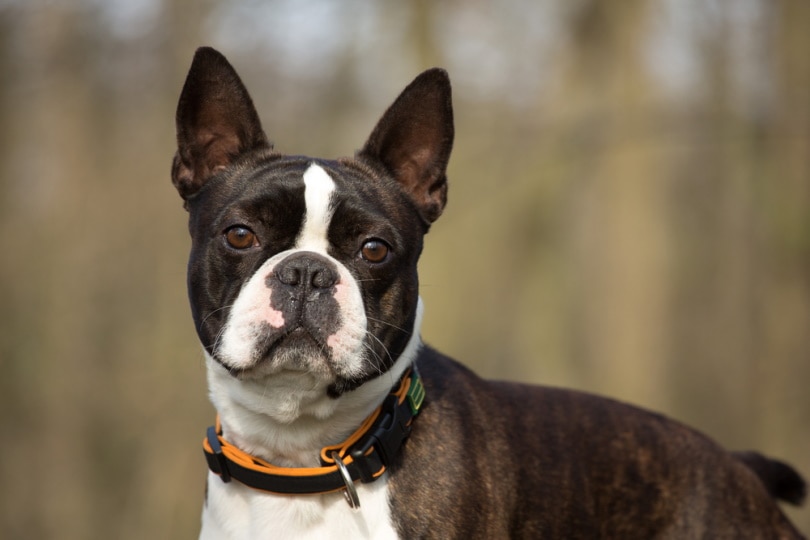
As a dog lover and proud owner of a Boston Terrier, I know firsthand the importance of understanding your furry friend‘s size, weight, and growth patterns. These compact, affectionate dogs have stolen the hearts of many with their unique personalities and adorable "tuxedo" coats. In this ultimate guide, we‘ll dive deep into the world of Boston Terrier size, exploring everything from their history and breed standards to practical tips for monitoring your pup‘s growth and maintaining their healthy weight.
A Brief History of Boston Terriers
Before we delve into the specifics of Boston Terrier size, let‘s take a moment to appreciate the fascinating history of this beloved breed. Boston Terriers originated in the late 19th century in Boston, Massachusetts, where they were initially bred for fighting. However, through selective breeding and a shift in societal attitudes, Boston Terriers transitioned from pit fighters to companion dogs, prized for their gentle nature and loyalty to their owners.
The American Kennel Club (AKC) officially recognized the Boston Terrier as a breed in 1893, making them one of the first American breeds to be registered. Over the years, the breed‘s popularity has only grown, with Boston Terriers consistently ranking among the top 25 most popular dog breeds in the United States.
Boston Terrier Size and Weight Standards
According to the AKC breed standards, adult Boston Terriers should weigh between 12 to 25 pounds and stand 15 to 17 inches tall at the shoulder. However, it‘s essential to note that these are ideal ranges, and individual dogs may fall outside of these parameters.
To provide a more detailed breakdown, let‘s look at some statistics on Boston Terrier size and weight:
- Male Boston Terriers typically weigh between 15 to 25 pounds, while females usually weigh between 12 to 20 pounds.
- Approximately 50% of adult Boston Terriers weigh between 15 to 20 pounds, 30% weigh between 12 to 15 pounds, and 20% weigh between 20 to 25 pounds.
- The average height for male Boston Terriers is 16.5 inches, while the average height for females is 15.5 inches.
It‘s important to remember that these statistics are based on a large sample size and that your individual Boston Terrier may not fit perfectly within these ranges. As long as your dog is healthy, happy, and proportionate, slight variations in size and weight are nothing to worry about.
Using a Boston Terrier-Specific Growth Chart
While there are general growth charts available for small dog breeds, it‘s crucial to use a growth chart specific to Boston Terriers when monitoring your puppy‘s development. Boston Terriers have unique growth patterns that may differ from other small breeds, and using a breed-specific chart can help you ensure your puppy is on track.
Here‘s a sample Boston Terrier growth chart that outlines the average weight ranges for male and female puppies at various ages:
| Age | Male Weight Range | Female Weight Range |
|---|---|---|
| Birth | 0.25-0.5 lbs | 0.25-0.5 lbs |
| 1 month | 1.5-3 lbs | 1-2.5 lbs |
| 2 months | 3-5 lbs | 2.5-4.5 lbs |
| 3 months | 5-8 lbs | 4-7 lbs |
| 4 months | 8-12 lbs | 6-10 lbs |
| 5 months | 10-15 lbs | 8-13 lbs |
| 6 months | 12-18 lbs | 10-16 lbs |
| 7 months | 14-20 lbs | 11-18 lbs |
| 8 months | 15-22 lbs | 12-19 lbs |
| 9 months | 16-24 lbs | 13-20 lbs |
| 10 months | 17-25 lbs | 14-21 lbs |
| 11 months | 18-25 lbs | 15-22 lbs |
| 12 months | 19-25 lbs | 16-23 lbs |
Keep in mind that these ranges are averages, and some healthy puppies may fall slightly above or below these weights. If you have concerns about your Boston Terrier‘s growth, always consult with your veterinarian.
Factors Influencing Boston Terrier Size and Weight
Several factors can influence a Boston Terrier‘s size and weight, both during puppyhood and adulthood. Understanding these factors can help you make informed decisions about your dog‘s care and ensure they maintain a healthy weight throughout their life.
Genetics
Genetics play a significant role in determining a Boston Terrier‘s adult size and weight. Puppies born to larger parents are more likely to grow into larger adults, while those born to smaller parents may remain on the more petite side. When selecting a Boston Terrier puppy, ask the breeder about the size of the puppy‘s parents and grandparents to get a better idea of their potential adult size.
Nutrition
Proper nutrition is essential for healthy growth and weight maintenance in Boston Terriers. Feeding your puppy a high-quality, age-appropriate diet that meets their nutritional needs can help ensure they grow at a steady, healthy rate. Avoid overfeeding, as excess weight can put unnecessary strain on your puppy‘s developing joints and increase their risk of obesity-related health issues later in life.
As your Boston Terrier reaches adulthood, continue to monitor their diet and adjust portion sizes as needed to maintain a healthy weight. Consult with your veterinarian to determine the optimal daily calorie intake for your individual dog based on their age, size, and activity level.
Exercise
Regular exercise is crucial for maintaining a healthy weight in Boston Terriers of all ages. While these compact dogs don‘t require as much exercise as larger breeds, they still need daily activity to keep their bodies and minds in shape. Aim for at least 30 minutes of moderate exercise per day, divided into two or more sessions.
Engaging in regular play sessions, short walks, and training exercises can help keep your Boston Terrier at a healthy weight while also providing mental stimulation and strengthening your bond.
Health Conditions
Certain health conditions can impact a Boston Terrier‘s size and weight. For example, dogs with hypothyroidism may experience weight gain despite a normal diet and exercise routine, while those with dental issues may have difficulty eating and maintaining a healthy weight.
Regular check-ups with your veterinarian can help identify and address any underlying health concerns that may affect your Boston Terrier‘s size and weight.
Health Risks Associated with Size Extremes
While most Boston Terriers fall within the breed‘s standard size and weight ranges, some individuals may be significantly smaller or larger. These size extremes can come with certain health risks that owners should be aware of.
Risks for Smaller Boston Terriers
Boston Terriers that are significantly smaller than the breed standard may be at increased risk for certain health issues, such as:
- Hypoglycemia: Very small Boston Terriers may be prone to low blood sugar, which can cause weakness, seizures, and even death if left untreated.
- Fragile bones: Tiny Boston Terriers may have more delicate bones that are more susceptible to fractures and injuries.
- Dental issues: Smaller mouths can lead to overcrowding of teeth, increasing the risk of dental problems like tooth decay and gum disease.
Risks for Larger Boston Terriers
On the other end of the spectrum, Boston Terriers that are significantly larger than the breed standard may face their own set of health challenges, such as:
- Joint problems: Excess weight can put added strain on a Boston Terrier‘s joints, increasing their risk of developing conditions like hip dysplasia and patellar luxation.
- Breathing difficulties: Boston Terriers are a brachycephalic breed, meaning they have shortened snouts. Larger individuals may be more prone to breathing issues like snoring and sleep apnea.
- Decreased longevity: Studies have shown that smaller dogs tend to live longer than their larger counterparts, and this holds true for Boston Terriers as well.
While these health risks are important to consider, it‘s crucial to remember that not all small or large Boston Terriers will develop these issues. Regular veterinary care, a balanced diet, and appropriate exercise can help mitigate these risks and keep your Boston Terrier healthy, regardless of their size.
How to Measure Your Boston Terrier at Home
Monitoring your Boston Terrier‘s size and weight at home is an essential part of responsible dog ownership. By regularly measuring your dog, you can track their growth, identify potential issues early on, and make informed decisions about their care.
Measuring Your Boston Terrier‘s Height
To measure your Boston Terrier‘s height, you‘ll need a measuring tape and a flat, level surface. Follow these steps:
- Have your Boston Terrier stand straight and still on the flat surface, with their front legs directly beneath their shoulders.
- Locate the withers, which is the highest point of your dog‘s shoulder blades.
- Place the end of the measuring tape on the ground next to your dog‘s front paws and extend it vertically to the top of the withers.
- Record the measurement in inches.
Weighing Your Boston Terrier
To weigh your Boston Terrier, you can use a pet scale or a regular bathroom scale. If using a bathroom scale, follow these steps:
- Weigh yourself first and record your weight.
- Pick up your Boston Terrier and step back onto the scale, holding them securely.
- Record the combined weight of you and your dog.
- Subtract your weight from the combined weight to determine your Boston Terrier‘s weight.
For the most accurate results, weigh your Boston Terrier at the same time each day, preferably before a meal.
Frequently Asked Questions
How can I predict my Boston Terrier puppy‘s adult size?
While there‘s no foolproof way to predict your Boston Terrier puppy‘s exact adult size, you can get a general idea by looking at the size of their parents and using a breed-specific growth chart. Keep in mind that individual genetics and environmental factors can also play a role in your puppy‘s final size.
What should I do if my Boston Terrier is overweight or underweight?
If you suspect your Boston Terrier is overweight or underweight, the first step is to consult with your veterinarian. They can help determine if your dog‘s weight is a cause for concern and develop a personalized plan to help them reach and maintain a healthy weight through diet and exercise modifications.
How can I adjust my Boston Terrier‘s diet as they age?
As your Boston Terrier ages, their nutritional needs may change. Senior dogs may require fewer calories and more easily digestible proteins to maintain a healthy weight and support their aging bodies. Consult with your veterinarian to determine the best diet for your Boston Terrier based on their age, health status, and individual needs.
What are some signs of potential growth abnormalities in Boston Terriers?
Some signs that your Boston Terrier‘s growth may not be progressing normally include:
- Significant deviation from breed-specific growth charts
- Persistent lack of appetite or difficulty eating
- Lethargy or reluctance to play and exercise
- Visible abnormalities in limb length or proportion
- Slow or stunted growth compared to littermates
If you notice any of these signs, consult with your veterinarian to determine the underlying cause and develop an appropriate course of action.
Conclusion
As a Boston Terrier owner and lover, I know that watching your furry friend grow and develop is one of the most rewarding aspects of dog ownership. By understanding the nuances of Boston Terrier size, weight, and growth, you can ensure your pup stays healthy, happy, and on track throughout their life.
Remember, while breed standards and growth charts provide valuable guidelines, every Boston Terrier is unique. Embrace your dog‘s individuality, and focus on providing them with the love, care, and attention they need to thrive.
With this ultimate guide in hand, you‘re well-equipped to navigate the joys and challenges of raising a Boston Terrier from puppyhood to adulthood. So, cuddle up with your furry friend, and enjoy every moment of the amazing journey ahead.
Sources
- American Kennel Club. (2021). Boston Terrier. Retrieved from https://www.akc.org/dog-breeds/boston-terrier/
- Boston Terrier Club of America. (2021). About the Boston Terrier. Retrieved from https://www.bostonterrierclubofamerica.org/about-boston-terriers/
- Hawthorne, A. J., et al. (2004). Body-Weight Changes during Growth in Puppies of Different Breeds. The Journal of Nutrition, 134(8), 2027S-2030S. https://doi.org/10.1093/jn/134.8.2027S
- Kealy, R. D., et al. (2002). Effects of Diet Restriction on Life Span and Age-Related Changes in Dogs. Journal of the American Veterinary Medical Association, 220(9), 1315-1320. https://doi.org/10.2460/javma.2002.220.1315
- Rimbault, M., & Ostrander, E. A. (2012). So Many Doggone Traits: Mapping Genetics of Multiple Phenotypes in the Domestic Dog. Human Molecular Genetics, 21(R1), R52-R57. https://doi.org/10.1093/hmg/dds382


