The Ultimate Guide to Great Dane Shedding: What to Expect and How to Manage It
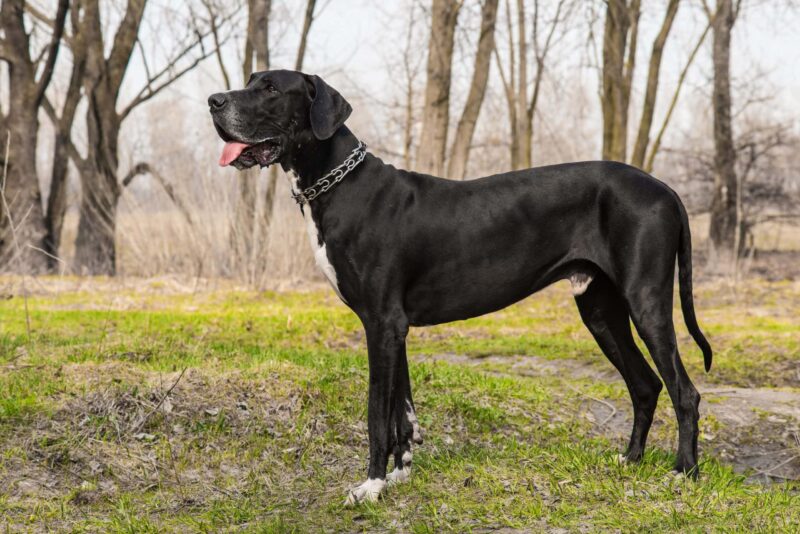
As a proud owner of a Great Dane or someone considering welcoming one into your life, you might be wondering, "Do Great Danes shed a lot?" The short answer is yes, these gentle giants are moderate to heavy shedders. However, with the right knowledge and grooming techniques, you can effectively manage your Great Dane‘s shedding and keep your home (and wardrobe) fur-free. In this comprehensive guide, we‘ll dive into the world of Great Dane shedding, exploring the factors behind it and providing actionable tips to keep your dog‘s coat healthy and your living space tidy.
Understanding Great Dane Shedding
Great Danes have a short, smooth coat that sheds year-round, with more noticeable shedding during spring and fall. This shedding is a natural process that allows your dog to get rid of old, damaged hair and maintain a healthy coat. Several factors contribute to the amount of shedding you can expect from your Great Dane:
-
Large size: As one of the tallest dog breeds, Great Danes have a lot of fur to shed compared to smaller breeds. More dog equals more shedding!
-
Single coat: Unlike double-coated breeds that "blow" their undercoat seasonally, Great Danes have a single layer of fur with a relatively short hair growth cycle, leading to more frequent shedding.
-
Health and nutrition: Skin allergies, stress, hormonal imbalances, and poor nutrition can all contribute to excessive shedding. Keeping your Great Dane healthy and well-nourished is key to managing their shedding.
Grooming Tips for Managing Great Dane Shedding
A consistent grooming routine is your best defense against excessive shedding. Here are some essential tips to keep your Great Dane‘s coat looking its best:
-
Regular brushing: Brush your Great Dane at least once a week, or a few times per week during heavy shedding seasons. Use a rubber curry brush or a bristle brush to remove loose fur and distribute natural oils throughout the coat.
-
Bathing: Bathe your Great Dane every 4-8 weeks using a gentle, moisturizing shampoo. Overbathing can strip the coat of natural oils and lead to dry, itchy skin, which can increase shedding.
-
De-shedding tools: During spring and fall shedding seasons, use a de-shedding tool like the Furminator or the Kong ZoomGroom to remove excess loose fur. Be gentle and avoid over-grooming, which can irritate the skin.
-
Consistent routine: Establish a regular grooming schedule and stick to it. This will help your Great Dane become accustomed to the process and make grooming a positive experience for both of you.
The Role of Nutrition in Coat Health
A balanced, high-quality diet is essential for maintaining your Great Dane‘s skin and coat health. Look for a dog food formulated for large breeds that contains high-quality protein sources, essential fatty acids, and key nutrients like biotin and zinc. Omega-3 fatty acids, found in fish oil supplements, can help promote a shiny, healthy coat and reduce shedding associated with dry, flaky skin.
If you‘re unsure about your Great Dane‘s nutritional needs, consult with your veterinarian. They can provide personalized recommendations based on your dog‘s age, weight, and overall health.
Managing Shedding in Your Home
Even with regular grooming, you‘ll still find some Great Dane fur around your home. Here are some tips to keep shedding under control:
-
Regular vacuuming and sweeping: Invest in a high-quality vacuum designed for pet hair and establish a regular cleaning routine to control fur accumulation on floors and furniture.
-
Pet hair removers: Use a pet hair roller or lint brush to remove fur from clothing and upholstery. For stubborn hair, try a damp rubber glove or a slightly dampened sponge.
-
Washable covers: Use removable, washable covers on pet beds and furniture to make cleaning easier. Choose fabrics that are less likely to attract and hold onto pet hair, such as tightly woven cotton or microfiber.
-
Air purifiers: Maintain good indoor air quality by using air purifiers with HEPA filters to capture airborne pet dander and fur.
When to Consult a Veterinarian
While shedding is a normal process for Great Danes, excessive shedding can sometimes indicate an underlying health issue. Contact your veterinarian if you notice any of the following:
- Excessive shedding accompanied by skin irritation, bald spots, or intense itching
- Sudden increase in shedding not related to seasonal changes
- Dull, dry, or brittle coat texture
Your veterinarian can help rule out health problems like allergies, parasites, or hormonal imbalances and provide treatment options to manage excessive shedding.
Great Dane Shedding Compared to Other Breeds
Great Danes are moderate to heavy shedders, similar to other short-haired breeds like Labrador Retrievers and Boxers. However, their shedding is generally less noticeable than that of double-coated breeds like German Shepherds or Huskies, which experience more dramatic seasonal shedding.
Compared to other large breeds, Great Danes have relatively low-maintenance grooming needs. Their short, smooth coat is easier to care for than the long, flowing coats of breeds like the Afghan Hound or the Bernese Mountain Dog.
Frequently Asked Questions
-
Are Great Danes hypoallergenic? No, Great Danes are not hypoallergenic. However, regular grooming and home cleaning can help reduce the amount of allergens (dander and saliva proteins) in your living space.
-
Can I shave my Great Dane to reduce shedding? Shaving your Great Dane is not recommended, as their short coat helps regulate body temperature and protects their skin from the elements. Shaving can disrupt this natural temperature regulation and increase the risk of sunburn and skin irritation.
-
How often should I brush my Great Dane? Brush your Great Dane at least once a week to remove loose fur and keep their coat healthy. During heavy shedding seasons (spring and fall), you may need to brush more frequently, up to a few times per week.
Conclusion
Great Danes may be moderate to heavy shedders, but with a consistent grooming routine, a balanced diet, and regular home cleaning, you can effectively manage their shedding and enjoy a fur-free living space. Remember to brush your Great Dane weekly, bathe them every 4-8 weeks, and use de-shedding tools during heavy shedding seasons. If you notice any signs of excessive shedding or skin irritation, consult with your veterinarian to rule out underlying health issues.
By understanding your Great Dane‘s shedding patterns and implementing these management tips, you‘ll be well-equipped to handle the fur-filled adventures that come with loving these gentle giants. Embrace the shedding, and cherish the unconditional love and companionship your Great Dane brings to your life.