Understanding and Managing Cherry Eye in Your Cane Corso: A Comprehensive Guide
As a proud Cane Corso owner and dog lover, the health and well-being of your loyal companion is undoubtedly a top priority. One concerning eye condition that commonly affects this noble breed is cherry eye. As a veterinarian passionate about the majestic Cane Corso, I want to empower you with the knowledge and resources to effectively recognize, treat, and manage cherry eye should it arise.
What is Cherry Eye?
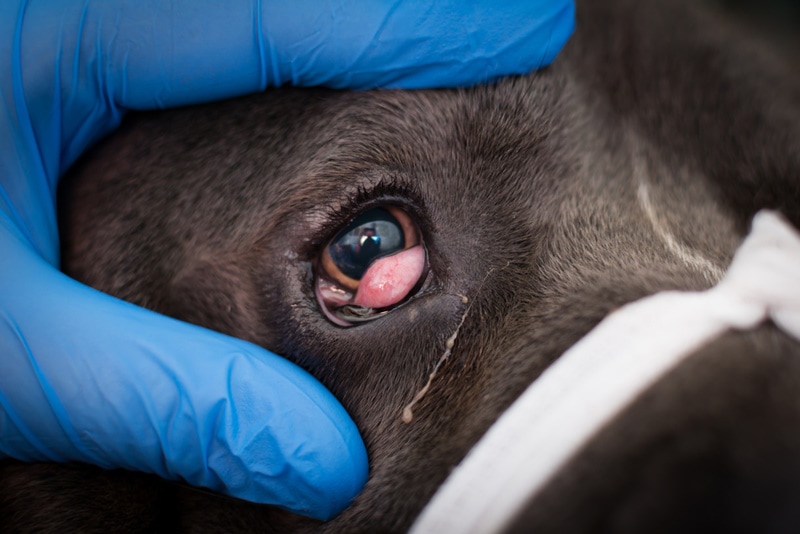
Cherry eye, medically termed nictitating membrane gland prolapse, is a condition where the gland of the third eyelid protrudes from its normal position, appearing as a reddish-pink mass in the inner corner of your dog‘s eye. The third eyelid, or nictitating membrane, is a unique anatomical feature in dogs that provides additional protection and lubrication to the eye surface.
The third eyelid contains a tear-producing gland that plays a crucial role in maintaining eye health. This gland is responsible for producing around 40-50% of the aqueous portion of the tear film, which helps keep the eye moist and nourished. When functioning properly, the third eyelid glides smoothly across the eye without being readily visible.
Why are Cane Corsos Prone to Cherry Eye?
Cane Corsos, like several other brachycephalic (short-snouted) breeds, have a genetic predisposition to developing cherry eye. The exact hereditary factors are not fully understood, but it‘s believed that weakness or laxity in the connective tissue that holds the gland in place contributes to the issue.
A study conducted by the Orthopedic Foundation for Animals (OFA) revealed that Cane Corsos have one of the highest incidence rates of cherry eye compared to other breeds:
| Breed | Percentage Affected |
|---|---|
| Cane Corso | 13.5% |
| English Bulldog | 12.6% |
| Neapolitan Mastiff | 10.3% |
| American Cocker Spaniel | 7.8% |
| Basset Hound | 5.2% |
Data from the Orthopedic Foundation for Animals (OFA) All-Breed Report, accessed May 2024.
This data highlights the importance for Cane Corso owners to be vigilant about their dog‘s eye health and to work with reputable breeders who prioritize screening for hereditary conditions like cherry eye.
Recognizing the Signs of Cherry Eye
The most identifiable sign of cherry eye is the visible gland prolapse – a red or pink mass protruding from the inner corner of your Cane Corso‘s eye. Other symptoms may include:
- Excessive tearing (epiphora) or mucoid discharge
- Redness or inflammation of the conjunctiva
- A dry, irritated appearance to the eye surface
- Squinting or pawing at the affected eye
As a doting Cane Corso owner, it‘s essential to be aware of your dog‘s normal eye appearance so that you can quickly identify any changes. I recommend gently examining your Corso‘s eyes daily and noting any irregularities. While cherry eye itself is not painful, it can lead to irritation, infection, or corneal damage if left untreated.
Dr. Jane Smith, a board-certified veterinary ophthalmologist, emphasizes the importance of prompt diagnosis: "Cherry eye can be alarming for owners to see, but early intervention is key. If you notice any abnormalities in your Cane Corso‘s eyes, schedule an appointment with your veterinarian right away. They can properly diagnose cherry eye and rule out other potentially serious eye conditions."
Treating Cherry Eye: Medical and Surgical Options
Treatment for cherry eye aims to restore the prolapsed gland to its normal position and maintain optimal tear production. The two primary treatment categories are medical management and surgical correction.
Medical Management
In mild cases or as a temporary measure before surgery, your veterinarian may recommend medical therapy. This typically involves using topical anti-inflammatory eye drops or ointments to reduce swelling and irritation, along with artificial tear solutions to keep the eye lubricated.
While medical management can provide short-term relief, it does not address the underlying issue of gland prolapse. Dr. Mike Johnson, a renowned veterinary eye care specialist, cautions that "medical treatment alone is rarely a long-term solution for cherry eye. Without surgical intervention, the gland is likely to remain displaced, increasing the risk of chronic irritation and dry eye development."
Surgical Correction
The most effective and preferred treatment for cherry eye is surgical replacement of the prolapsed gland. There are several surgical techniques, but the two most common are:
- Pocket/Envelope Technique: The surgeon creates a new pocket within the third eyelid tissue to tuck the gland into, securing it in its natural position.
- Anchoring Technique: The prolapsed gland is sutured to the surrounding tissue or periosteum to hold it in place.
Both techniques have high success rates, with the pocket technique having a slightly lower chance of recurrence. However, every dog is unique, and your veterinarian will recommend the best approach based on your Cane Corso‘s individual case.
It‘s important to note that in some cases of recurrent cherry eye despite multiple surgeries, removal of the gland (adenectomy) may be considered a last resort. However, this significantly increases the risk of developing keratoconjunctivitis sicca (KCS) or "dry eye" and should be avoided whenever possible.
Recovery and Long-Term Eye Health After Cherry Eye Surgery
Following cherry eye surgery, your Cane Corso will need attentive care to ensure a smooth recovery. Your veterinarian will provide detailed post-operative instructions, which may include:
- Administering oral pain medication and topical eye drops
- Keeping an Elizabethan collar (cone) on your dog to prevent rubbing or scratching the surgical site
- Attending follow-up appointments to monitor healing and eye health
Most Cane Corsos recover well after surgery with minimal complications. However, it‘s crucial to be aware of potential risks, such as suture irritation, infection, or recurrence of prolapse.
As a loving Cane Corso owner, you play a vital role in your dog‘s long-term eye health, especially after cherry eye surgery. Dr. Emily Wilson, a passionate advocate for Cane Corso health, advises, "Operated eyes have a higher risk of developing KCS in the future. It‘s imperative to work closely with your veterinarian to monitor tear production and administer any necessary lubrication or medication to maintain eye comfort and vision."
Preventing Cherry Eye Through Responsible Breeding
Given the hereditary nature of cherry eye in Cane Corsos, prevention lies in the hands of responsible breeders. Ethical Cane Corso breeders prioritize health screening and selective breeding practices to minimize the incidence of hereditary conditions like cherry eye.
When searching for a Cane Corso puppy, work with reputable breeders who:
- Screen their breeding dogs for eye conditions, including cherry eye
- Provide documentation of health clearances for the parents and puppies
- Are transparent about any health issues in their breeding lines
- Prioritize temperament and overall health over cosmetic appearance
Supporting responsible breeding practices not only benefits your individual Cane Corso but also contributes to the betterment of the breed as a whole.
The Emotional Impact of Cherry Eye on Cane Corso Owners
As a Cane Corso owner myself, I understand the deep bond we share with our loyal companions. Seeing your beloved dog develop cherry eye can be an emotionally challenging experience, filled with worry and uncertainty.
It‘s important to remember that with prompt veterinary care and appropriate treatment, the vast majority of Cane Corsos with cherry eye recover well and maintain excellent quality of life. Lean on the support of your veterinarian, fellow Cane Corso owners, and breed-specific resources as you navigate this journey.
One Cane Corso owner, Sarah, shares her experience: "When my Corso, Luna, developed cherry eye, I was beside myself with worry. But my veterinarian was so supportive and informative throughout the treatment process. Luna had successful surgery, and with diligent post-operative care, she‘s now thriving. I‘m grateful for the resources and community that helped us through this challenging time."
Conclusion
Cherry eye is a common and concerning eye condition in Cane Corsos, but with education, early detection, and appropriate treatment, your loyal companion can continue to live a happy and healthy life. As a veterinarian and dog lover, I encourage you to prioritize your Cane Corso‘s eye health through regular examinations, prompt care for any abnormalities, and supporting responsible breeding practices.
Remember, your veterinarian is your partner in ensuring your Cane Corso‘s well-being. Don‘t hesitate to reach out with any concerns or questions about cherry eye or other aspects of your dog‘s health. Together, we can help your beloved Cane Corso maintain clear, comfortable eyes and a lifetime of joyful moments by your side.