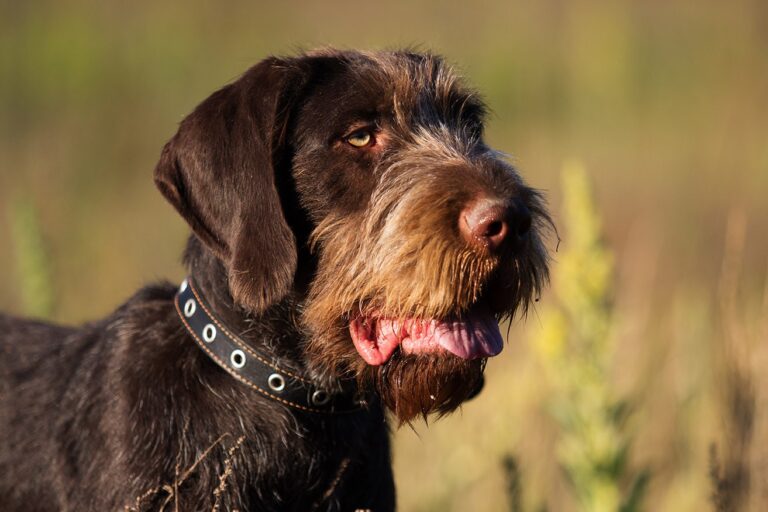
Vizsla vs German Shorthaired Pointer: The Ultimate Guide for Dog Lovers

As a lifelong dog lover and experienced veterinarian, I‘ve had the pleasure of working closely with a wide variety of sporting breeds over the years. Two of my personal favorites are the Vizsla and German Shorthaired Pointer (GSP). These sleek, intelligent, and affectionate breeds have captured the hearts of countless active dog owners – but how do you choose between them? In this ultimate guide, I‘ll share my professional and personal insights on the Vizsla and GSP to help you determine which one might be your ideal canine companion.
A Tail of Two Hunting Dogs: Breed Histories
While the Vizsla and GSP share many traits, they have distinct histories. The Vizsla is an ancient breed, with origins in 10th century Hungary. Magyar hunters developed the Vizsla as a versatile pointer, retriever, and scent hound well-suited to the local terrain and climate. The breed nearly went extinct after World War II but was saved by dedicated fanciers. Vizslas arrived in the U.S. in the 1950s and have steadily risen in popularity, ranking 29th out of 199 AKC breeds in 2022.
The German Shorthaired Pointer, despite the name, is a more recent breed, developed in late 19th century Germany. Breeders crossed various German hunting breeds with English Pointers to create an all-purpose gun dog that could point, retrieve on land and water, and even track big game. GSPs came to the U.S. in the 1920s and quickly earned fans among hunters and families. The breed consistently ranks in the top 15 most popular dogs, placing 12th in 2022.
Picture Perfect Pointers: Physical Characteristics
To the untrained eye, the Vizsla and GSP may look quite similar with their sleek, muscular builds. However, there are some distinguishing features to note:
| Trait | Vizsla | German Shorthaired Pointer |
|---|---|---|
| Height | Male: 22-24" Female: 21-23" | Male: 23-25" Female: 21-23" |
| Weight | Male: 45-60 lbs Female: 40-55 lbs | Male: 55-70 lbs Female: 45-60 lbs |
| Build | Medium, lean, agile | Medium to large, substantial, powerful |
| Head | Moderate, square muzzle | Broad, slight stop, long muzzle |
| Ears | Medium, thin, hanging close to cheeks | Medium, hanging close to head |
| Tail | Docked to 2/3 length | Docked to 40% length |
| Coat | Short, smooth, dense gold/rust | Short, thick, liver/liver & white |
The GSP is typically larger and more substantial, while the Vizsla is lighter and lither. Vizslas have a unique rusty gold coat that gives rise to nicknames like "golden retriever" and "Hungarians." GSPs may sport solid liver or liver and white coats in ticked, roan, or patched patterns. Both breeds shed moderately and have relatively low grooming needs.
Personality Plus: Temperaments and Traits
Bred to work closely with humans, both the Vizsla and GSP are known for their outgoing, eager-to-please personalities. They are smart, trainable, and affectionate with family. Some key temperament differences to note:
-
Vizslas are famous "Velcro dogs" who crave constant closeness and may develop separation anxiety if left alone too much. GSPs are also companionable but a bit more independent.
-
GSPs tend to be bold and confident, while Vizslas can be more sensitive and gentle-natured. Early socialization is important for both to develop confidence.
-
As high-energy breeds, both need lots of daily exercise and mental stimulation. Vizslas are extremely active and may be slightly more challenging to tire out than GSPs.
-
Both breeds typically do well with kids and other dogs if raised together, but may chase small pets due to prey drive. Vizslas may be better for homes with cats.
A 2022 study analyzed personality traits of various breeds based on owner-reported data. Here‘s how the Vizsla and GSP compared on a scale of Low-Medium-High:
| Trait | Vizsla | GSP |
|---|---|---|
| Energy Level | High | High |
| Playfulness | High | High |
| Affection | High | Med-High |
| Companionship | High | Med-High |
| Sensitivity | Med-High | Medium |
| Courage | Medium | Med-High |
| Protectiveness | Low-Med | Low-Med |
Overall, both breeds tend to be high-spirited, affectionate companions, but the Vizsla may be more "needy" while the GSP is more confident and independent.
Training and Exercise Needs
As intelligent, high-energy breeds, Vizslas and GSPs need early training and socialization along with lots of daily activity to be happy, well-behaved pets. Some tips and challenges to consider:
-
Both breeds excel in obedience, agility, and field work. GSPs are often considered slightly more trainable due to their exceptional eagerness to please.
-
Positive reinforcement methods work best, as they are sensitive and don‘t respond well to harsh corrections. Keep sessions short and fun to hold their focus.
-
Vizslas and GSPs can be easily bored and destructive if under-exercised or left alone too long. Provide ample physical and mental stimulation with interactive toys, puzzles, etc.
-
At minimum, plan on an hour of vigorous exercise (running, fetching, hiking, etc.) per day – more is better. A securely fenced yard is also ideal for free play.
-
Crate training is recommended for both breeds, especially Vizslas who may be prone to separation anxiety.
Health and Longevity
According to a 2017 survey of over 10,000 dogs, the median lifespan for Vizslas is 12.8 years and 12.0 years for GSPs. Both are relatively healthy breeds but may be prone to certain hereditary conditions:
| Condition | Vizsla | GSP |
|---|---|---|
| Hip dysplasia | 7% | 19% |
| Elbow dysplasia | 2% | 5% |
| Progressive retinal atrophy | 3% | 5% |
| Hypothyroidism | 2% | 4% |
| Lymphoma | 3% | – |
| Hemangiosarcoma | 3% | 3% |
| Epilepsy | 2% | <1% |
| Bloat (gastric torsion) | 2% | 2% |
*Data from OFA health test statistics
Responsible breeders perform health screenings to help reduce the risk of inherited issues. Annual checkups, dental care, parasite prevention, and feeding a quality diet can help support lifelong health.
Costs of Vizsla and GSP Ownership
The purchase price for a well-bred Vizsla or GSP puppy ranges from $1000-2500 depending on bloodlines, titles, location, and other factors. Adopting an adult dog through a breed rescue may cost $200-500.
Some estimated annual costs for each breed:
| Expense | Vizsla | GSP |
|---|---|---|
| Food | $250-700 | $250-850 |
| Routine vet care | $200-800 | $250-800 |
| Preventatives | $150-250 | $150-250 |
| Grooming | $30-150 | $30-150 |
| Training | $25-300 | $25-300 |
| Supplies (toys, bed, etc.) | $75-500 | $75-500 |
| Total | $730-2700 | $780-2850 |
*Estimates, actual costs vary. Emergency vet bills not included.
GSPs may cost slightly more to feed and vet due to larger size. High-quality food, regular preventive care, and investing in training can save money on health issues in the long run.
Popularity and Availability
Vizslas and GSPs have both grown in popularity over the past few decades. AKC statistics show the breeds‘ rankings (out of 193) have changed as follows:
| Year | Vizsla | GSP |
|---|---|---|
| 2000 | 42 | 18 |
| 2010 | 40 | 16 |
| 2020 | 31 | 11 |
| 2022 | 29 | 12 |
The GSP remains more popular, with 14,214 annual registrations compared to 6,276 Vizslas (2021 totals). However, both breeds are readily available from reputable breeders and rescues nationwide.
Final Thoughts
Having owned both Vizslas and GSPs, I can attest that they are joyful, devoted companions for active dog lovers. The Vizsla‘s sensitivity, elegance, and desire to be your constant shadow may win you over. Or you may prefer the GSP‘s power, boldness, and slightly more independent spirit. Rest assured, both will be by your side on every hike, bike ride, or Netflix binge.
In the end, your individual lifestyle and preferences should guide your choice between these accomplished athletes and cuddle bugs. Energy level and endurance is a must to keep up with the Vizsla or GSP. You can‘t go wrong as long as you provide plenty of exercise, training, and belly rubs. I‘d choose either breed again in a heartbeat – but don‘t tell my current pups I said that!