What Were Beagles Bred For? Tracing the Fascinating History of This Beloved Breed
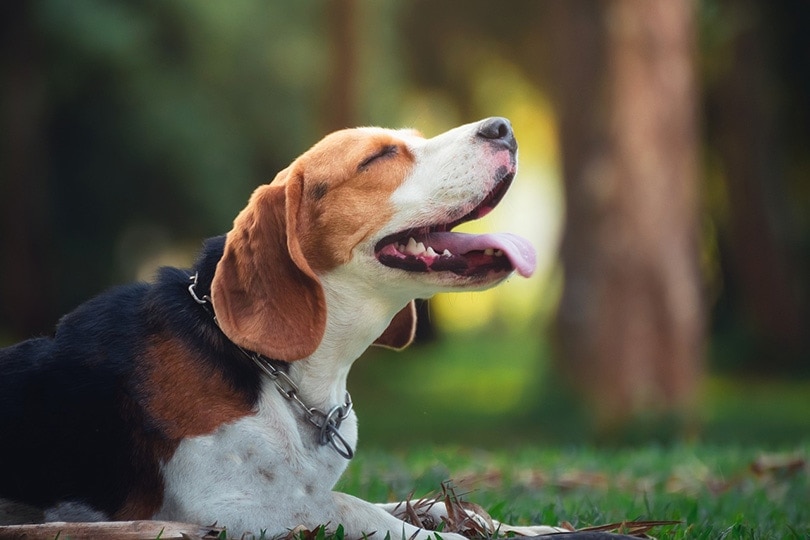
Beagles are one of the most beloved and recognizable dog breeds today, known for their cheerful nature, adorable expressions, and compact size. But how did these lively little hounds come to be? What was the original purpose behind breeding beagles?
To truly understand beagles, we need to go back centuries to trace their fascinating origin story. While the exact details are lost to history, there are some intriguing theories about how beagles came to be and how they evolved into the breed we know and love today.
Ancient Ancestors
The earliest ancestors of beagles may date all the way back to ancient Greece. There are records of small hound dogs used for hunting hares as early as 400 B.C. Later, the Romans may have brought their own version of these petite hounds with them when they conquered Britain in the 1st century A.D. Over the following centuries in England, the Roman hounds likely interbred with local hounds to lay the foundation for the beagle breed.
One theory is that this is also when they got their name – "beagle" may stem from the Celtic word "beag", meaning "small". This suggests the petite size was a distinctive trait of the proto-beagle even in its early development.
The Beagle as a Hunting Hound
In the 1700s, beagles transitioned from pampered lapdogs of the nobility to hardworking hunting dogs. Hunters and sportsmen, particularly in England, recognized the potential of these little hounds. They bred them to have the stamina, scenting power and single-minded determination to chase rabbits and hares for hours at a time.
Two English breeders in particular helped refine and standardize the modern beagle as a hunting companion:
-
Reverend Phillip Honeywood in the early 1800s focused on producing a taller beagle with a pure white coat, nicknamed the "Merry Beaglers of the Meadows" for their proficiency in rabbit hunting. Honeywood‘s beagles were said to be tenacious on the trail, with a melodious howl that could be heard from miles away.
-
Thomas Johnson later that century further developed the breed, creating both smooth-coated and rough-coated varieties. Johnson was a stickler for physical consistency – he culled any beagles from his program that didn‘t meet his high standards for size, proportion and coat. His work helped solidify the beagle‘s distinctive look.
By the mid-1800s, there were several distinct types of beagles: medium-sized, lapdog, terrier/rough-coated, and a smaller version of a foxhound. The medium-sized variety eventually won out as the template for the modern breed standard.
The beagle‘s keen nose, short stature, and tireless determination made it the ideal rabbit hunter. Dr. Arnold Greenberg, a veterinarian and beagle breeder, explains why:
"Beagles were bred to be scent hounds, meaning they live to follow their nose. Their short legs keep them close to the ground where the scent is. When they‘re on a rabbit trail, they‘ll follow it relentlessly, going over, under or through any obstacles in their path. And all the while, they‘ll be baying to alert the hunter – that distinctive ‘arooo‘ howl is music to a rabbit hunter‘s ears."
On the hunt, a pack of beagles works as a team to track their quarry. Once a rabbit is scented, the pack gives chase, howling to keep the hunters appraised of their location. The rabbit will often circle back to where it started, allowing the hunter to lie in wait for a clean shot. It‘s a symbiotic partnership – the beagles flush out the rabbit, and the hunter makes the kill.
Coming to America
Around 1870, General Richard Rowett imported some of the finest English beagles to Illinois and began breeding them. His "Rowett‘s Beagles" are considered the foundation stock for the breed in America. Beagles quickly gained popularity stateside as both hunting dogs and family companions.
"When those first beagles came over from England, Americans fell head over heels for them," says Janice Wilkins, a longtime beagle owner and historian. "Their size, temperament, and undeniable charm made them instant favorites. Beagling became a hugely popular sport among the middle and upper classes."
The American Kennel Club recognized the breed in 1885 and the National Beagle Club of America was founded a few years later. By the 20th century, beagles had spread from coast to coast and were fixtures in American popular culture.
One watershed moment was the introduction of Snoopy, the beloved pet beagle in Charles Schultz‘s "Peanuts" comic strip. Snoopy exploded in popularity in the 1960s, becoming a mascot for NASA and appearing on everything from lunchboxes to life insurance ads. While not the most realistic depiction of a beagle, Snoopy undoubtedly raised the breed‘s profile and cemented their image as an all-American dog.
Modern Day Beagle Roles
In the latter half of the 20th century, shifting cultural attitudes and increasing urbanization led to a decline in hunting with beagles. But the breed‘s popularity as a pet continued to soar. Today, the beagle consistently ranks in the top 10 most popular breeds in the United States, beloved for their merry disposition and gentle nature with children.
The table below shows the beagle‘s AKC registration rank in recent decades:
| Year | AKC Rank |
|---|---|
| 1990 | 11 |
| 2000 | 5 |
| 2010 | 4 |
| 2020 | 7 |
Source: American Kennel Club
Though many beagles today are cherished pets, they still retain the keen nose, powerful lungs and tireless work ethic that made their ancestors such valued hunting partners. In fact, beagles‘ scenting prowess has found them new roles in the modern world:
-
Airport security: The U.S. Department of Agriculture employs a "Beagle Brigade" of over 100 dogs to sniff out contraband food items in airports and mail facilities. These adorable inspectors wear green jackets and have a near 90% success rate.
-
Medical detection: Beagles are being trained to detect certain cancers, diabetes, and even COVID-19 through smell. One study found that beagles could identify lung cancer with 97% accuracy.
-
Bed bug detection: Many pest control companies now use beagles to sniff out bed bug infestations in hotels, apartments and offices. Their compact size allows them to inspect every nook and cranny.
So while they may not be chasing rabbits as much these days, beagles are still using their noses to perform important jobs and even save lives.
Living with a Beagle
For those considering a beagle as a pet, it‘s important to remember that these dogs were bred to hunt. As such, they have some special needs and quirks that potential owners should be aware of.
Katy Nelson, DVM, a veterinarian and beagle enthusiast, shares some advice:
"Beagles are active, curious dogs that love to follow their noses. They need plenty of exercise and mental stimulation to be happy. A bored beagle will often resort to destructive behaviors like howling, digging or chewing."
Dr. Nelson recommends the following for beagle owners:
- A securely fenced yard for off-leash play (beagles will wander if given the chance)
- At least one brisk 30+ minute walk per day
- Plenty of interactive toys and puzzles to keep their clever minds occupied
- Positive reinforcement training to curb nuisance barking/howling
- Lots of socialization with people and other dogs
She also notes that because of their hound appetites, beagles are prone to obesity if overfed. Owners should work with their vet to determine proper portion sizes and stick to a strict feeding schedule.
But for those willing to put in the work, beagles make wonderful companions. Janice Wilkins, the beagle historian, sums it up perfectly:
"Beagles are just special dogs. They‘re affectionate, funny, and endlessly entertaining. I‘ve had beagles my whole life and can‘t imagine living without one. Yes, they can be stubborn and mischievous at times, but that‘s all part of their charm. At the end of the day, it‘s impossible not to smile when you see that adorable face and wagging tail."
A Breed for the Ages
From their humble beginnings as pint-sized rabbit hunters to their current status as beloved American icons, beagles have left an indelible mark on canine history. Their journey from England to the New World and from the hunting grounds to the family hearth is a testament to their adaptable nature and enduring appeal.
So the next time you see a beagle trotting down the street with that signature spring in its step, take a moment to appreciate the centuries of selective breeding and transatlantic travel that made that moment possible. And if that beagle happens to lift its head and let out a howl, know that it‘s channeling the spirit of its rabbit-chasing ancestors.
Beagles may have been bred for hunting, but they‘ve certainly captured the hearts of dog lovers worldwide. With their irresistible expressions, comedic antics, and gentle souls, it‘s no wonder they‘ve become one of the most cherished breeds. As long as there are rabbits to chase and couches to nap on, these merry little hounds will continue to bring joy to families for generations to come.