What Were Rottweilers Bred For? Tracing This Working Breed‘s Fascinating History
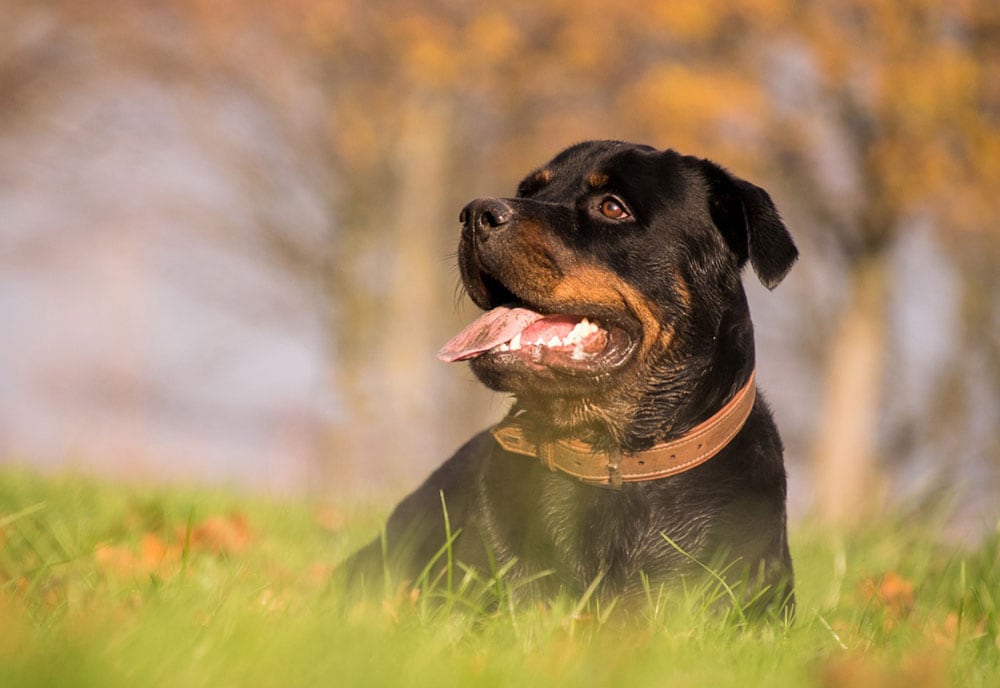
With their robust build, confident demeanor, and striking black-and-tan coloring, Rottweilers are an immediately recognizable dog breed. Ranking in the top 10 most popular breeds in the U.S., these powerful pooches are beloved companions in many homes today. But Rotties also have a long and fascinating history as hard-working dogs, dating back to ancient times.
So what exactly were Rottweilers originally bred for? Let‘s trace the history and evolution of the Rottie from their earliest origins to their modern roles. By the end, you‘ll have a newfound appreciation for this impressive canine!
Rottweiler Origins in Ancient Rome
The ancestors of the Rottweiler dog we know today can be traced all the way back to the Roman Empire. Around 2,000 years ago, Roman armies utilized large, mastiff-type dogs as cattle drovers when moving their livestock herds across Europe. These canines had to be strong enough to control cattle but trainable enough to obey their handlers.
After Roman forces withdrew from some areas of Europe in the 3rd century AD, some of their drover dogs were left behind in the region that is now southern Germany. Over time, these hardy canines bred with local dogs and continued to be used by Germans for herding and guarding livestock.
From the "Butcher‘s Dog" to Near Extinction
The town of Rottweil in southwestern Germany became a hub of cattle commerce in the Middle Ages. Here, the descendants of the Roman drover dogs proved their usefulness to butchers and cattlemen. In addition to herding and protecting cattle, the large canines pulled carts loaded with butchered meat to market. That‘s how they earned the name "Rottweiler Metzgerhund," meaning "Rottweil butcher‘s dog."
However, by the late 1800s, the need for the Rottweiler‘s traditional work was dwindling. An outbreak of cattle disease diminished herd sizes, while the growing railroad system provided a new method of livestock transport. With far less demand for their services, Rottweiler numbers dropped dramatically. The breed might have gone extinct if not for the dedication of some German dog fanciers.
The Rottweiler‘s Revival as a Working Dog
In 1901, a combined Rottweiler and Leonberger club was formed in Germany, with the first written breed standard for the Rottweiler. The breed‘s versatility in various working roles was recognized. Rottweilers began to be employed in greater numbers by the German military and police. Their courage and trainability made them well-suited to these jobs.
After World War I, Rottweilers caught the attention of dog enthusiasts in other countries, including the United States. The American Kennel Club recognized the breed in 1931. But it wasn‘t until the 1980s and 90s that Rottie ownership really took off in the U.S., skyrocketing them to become one of the nation‘s most popular breeds.
Modern Roles of the Rottweiler
Today, Rottweilers still excel in a variety of working positions that capitalize on their strength, intelligence, and dependable nature. Some of their most common jobs include:
-
Police and military work: Many law enforcement and military organizations around the world use Rottweilers for patrol, detection, and apprehension work.
-
Service dog work: Rotties can be trained as service dogs for individuals with disabilities, assisting with tasks like opening doors, retrieving objects, and providing stability for those with mobility issues.
-
Therapy dog work: With their calm, gentle demeanor, Rottweilers often make excellent therapy dogs. They provide comfort and emotional support to people in hospitals, nursing homes, schools, and other facilities.
-
Search and rescue: Some Rottweilers are trained in search and rescue operations, using their powerful sense of smell to locate missing people.
-
Personal/property protection: The Rottie‘s protective instinct and imposing appearance make them a popular choice as guard dogs for homes and businesses.
But of course, many Rottweilers today are kept simply as loyal, loving family pets. With proper training and socialization, these dignified dogs can be wonderful companions.
The Rottweiler‘s Temperament as a Pet
If you‘re considering a Rottweiler as a pet, it‘s important to understand their temperament and needs. Rotties are generally calm, confident dogs. They tend to be aloof toward strangers but are deeply devoted to their owners and families.
As a large, powerful breed with guarding instincts, Rottweilers require extensive socialization starting from puppyhood so they learn to distinguish real threats from normal interactions. Obedience training is also a must to establish leadership and control. Fortunately, Rotties are intelligent and eager to please, so they typically respond well to consistent, positive training methods.
Rottweilers have high exercise needs and enjoy having a "job" to do, even if it‘s just accompanying you on a jog or competing in dog sports. They don‘t do well if left alone for long periods. Rotties crave companionship and mental stimulation.
Rottweiler Crossbreeds
In recent years, several popular Rottweiler crossbreeds have emerged, combining traits of Rotties with other purebred dogs. Some common crosses include:
- Rottsky (Rottweiler x Siberian Husky)
- Shepweiler/Rottweiler Shepherd (Rottweiler x German Shepherd)
- Labrottie (Rottweiler x Labrador Retriever)
- Golden Rottie (Rottweiler x Golden Retriever)
- Boxweiler (Rottweiler x Boxer)
- Mastweiler (Rottweiler x Mastiff)
- Bullrott (Rottweiler x American Bulldog)
- Pitweiler (Rottweiler x American Pit Bull Terrier)
While some of these crosses may have advantages like being less prone to certain health issues, it‘s important to research the traits of both parent breeds. Even in a cross, there is no guarantee of a particular appearance or temperament.
Rottweiler: From Cattle Driver to Canine Companion
From their origins as ancient Roman herding dogs, to their versatile working roles today, Rottweilers have a long and proud history as one of dogkind‘s finest workers. Their evolution is a fascinating testament to the power of selective breeding and canine adaptability.
While Rotties may no longer be driving cattle or hauling butcher‘s goods, they remain as capable and committed as ever, thriving in homes where they receive clear leadership, plenty of exercise, and lots of love. For the right owner, a well-bred, well-trained Rottweiler can be an incredibly rewarding companion — a courageous canine with the heart of gold.