Colloidal Silver for Dogs: Examining the Risks and Safer Alternatives
As dog lovers, we always want to do what‘s best for our furry family members. When our dogs are sick or injured, it‘s natural to seek out remedies that will help them feel better as quickly as possible. In recent years, colloidal silver has gained popularity as a "natural" cure-all for a variety of canine health problems. But is this ancient remedy really the silver bullet some claim it to be?
In this article, we‘ll take a deep dive into the science behind colloidal silver, examine the potential risks it poses to dogs, and explore safer, veterinarian-approved alternatives. We‘ll also look at what happens if dogs ingest silver sulfadiazine, a topical medication sometimes used to treat skin infections. As a bonus, I‘ll share a personal story about a beloved pup who experienced the dark side of colloidal silver.
What Is Colloidal Silver?
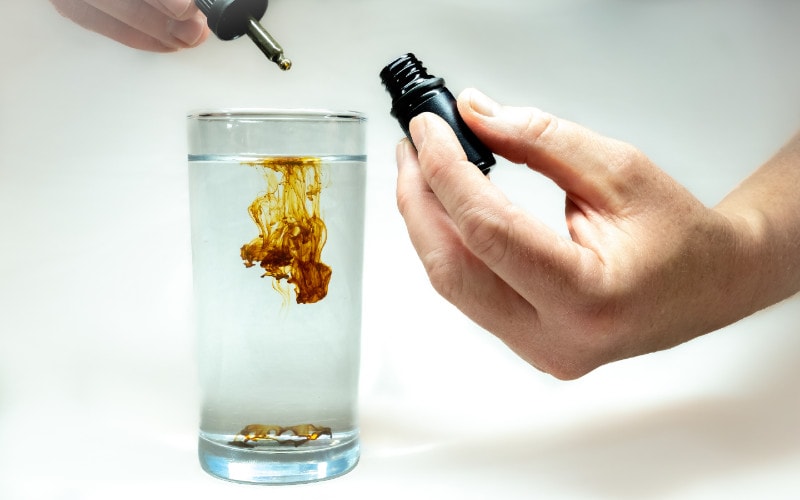
Colloidal silver is a suspension of tiny silver particles in a liquid, usually water. It‘s made by passing an electrical current through silver electrodes submerged in water, causing microscopic bits of silver to break off and disperse throughout the liquid.
Proponents claim these nanoparticles have potent antibacterial, antiviral, and anti-inflammatory properties that can help treat infections, boost immunity, and promote healing. Colloidal silver has been used medicinally for centuries, dating back to ancient Rome. However, with the advent of antibiotics in the 1940s, its use declined dramatically.
In recent decades, colloidal silver has made a comeback as an alternative therapy. According to a 2019 survey by the American Pet Products Association (APPA), approximately 4.7% of dog owners give their pets colloidal silver as a supplement or treatment. But this resurgence has occurred without adequate scientific evidence to support its safety or efficacy.
How Does Colloidal Silver Work?
The exact mechanisms by which colloidal silver exerts its purported antimicrobial effects are not fully understood. One theory is that silver ions disrupt bacterial cell membranes and interfere with their metabolism.
When positively charged silver nanoparticles encounter bacteria, they may be attracted to the negatively charged cell walls. The particles could then attach to proteins on the bacterial surface and create holes in the membrane. This would allow silver ions to flow into the cell.
Once inside, silver may wreak further havoc by binding to DNA, enzymes, and other proteins crucial for the bacteria‘s survival. This could impede the microbes‘ ability to replicate and carry out vital cellular functions, ultimately causing cell death.
It‘s also been suggested that silver nanoparticles and ions generate reactive oxygen species (free radicals) that damage bacterial components like DNA, proteins, and lipids through oxidative stress. However, these destructive effects are not limited to bacterial cells.
The Dangers of Colloidal Silver for Dogs
Silver Toxicity
The same properties that make silver toxic to microbes can also harm healthy tissues in dogs. Silver from colloidal silver and other products can accumulate in the body over time, leading to a condition called argyria.
Argyria occurs when silver deposits build up in the skin and mucous membranes, causing them to take on a bluish-gray hue. A 2017 case report in the Journal of the American Veterinary Medical Association (JAVMA) described a 4-year-old Samoyed dog who developed argyria after being given colloidal silver orally for 2 years.
While the cosmetic change is often the most visible sign, argyria indicates more insidious damage occurring beneath the surface. When ingested, silver can collect in organs like the liver, kidneys, spleen, and brain, as well as in the eyes and gums. This can lead to tissue inflammation, oxidative damage, and impaired organ function.
A 2022 study published in Frontiers in Veterinary Science found evidence of neurological damage in dogs with silver toxicity. The affected dogs displayed symptoms like seizures, tremors, weakness, and lack of coordination. MRI scans revealed structural changes and hemorrhages in the brain.
Gut Microbiome Disruption
Colloidal silver‘s indiscriminate antibacterial activity can also decimate dogs‘ gut microbiomes. The GI tract is home to a complex, interdependent ecosystem of bacteria that play critical roles in nutrient absorption, immune function, and overall health.
A 2021 study in the journal PeerJ analyzed the gut bacteria of dogs before and after 30 days of colloidal silver supplementation. The results showed significant reductions in microbial diversity and beneficial bacteria like Lactobacillus and Bifidobacterium.
Disrupting this delicate balance can lead to digestive issues like diarrhea, vomiting, and poor nutrient absorption. It may also weaken the immune system and make dogs more vulnerable to infections. Restoring a healthy microbiome after such damage can be a lengthy, difficult process.
Lack of Regulation and Quality Control
Because colloidal silver products are sold as supplements rather than drugs, they are not subject to the same rigorous testing, regulation, and quality control standards as veterinary medicines. This lack of oversight means the concentration, purity, and particle size of silver can vary widely between brands and even between batches of the same product.
Some colloidal silver preparations may contain contaminants like heavy metals or pathogens that could make dogs sick. Others may have silver levels far higher than what‘s claimed on the label, increasing the risk of toxicity.
A 2020 analysis by Consumer Lab found that 6 of 12 top-selling colloidal silver supplements contained 25% to 45% more silver than the listed amounts. Such inconsistencies make it impossible to determine safe or effective dosages for dogs.
Silver Sulfadiazine: What If Dogs Lick This Wound Ointment?
Silver sulfadiazine is a topical antimicrobial used to prevent and treat skin infections in dogs and other animals. Unlike colloidal silver, it is an FDA-approved medication that‘s available by prescription only.
This cream or ointment contains a combination of silver and sulfa antibiotic that work together to kill bacteria and prevent the spread of infection. It‘s commonly used to treat wounds, burns, hot spots, and post-surgical incisions.
One concern with using silver sulfadiazine on dogs is that they may lick the medicated area, ingesting the active ingredients. The good news is that silver sulfadiazine has a wide margin of safety when used as directed. Ingesting small amounts is unlikely to cause serious harm.
However, if a dog consumes a large amount of silver sulfadiazine, it could lead to gastrointestinal upset like vomiting, diarrhea, and loss of appetite. The sulfa component may also trigger an allergic reaction in some dogs, with symptoms like facial swelling, itching, hives, and difficulty breathing.
If you suspect your dog has ingested silver sulfadiazine or is having an adverse reaction, contact your veterinarian right away. They can assess the situation and provide appropriate treatment if needed.
To prevent licking, your vet may advise using an Elizabethan collar (cone) or applying a bitter-tasting deterrent around the treated area. Keeping wounds covered with a bandage can also help, but it‘s crucial to change the dressing regularly to prevent moisture buildup and skin irritation.
A Personal Tail of Caution
Years ago, my beloved Golden Retriever, Sunny, developed a persistent ear infection. After trying various vet-prescribed treatments without success, I turned to a holistic pet store for alternatives. The owner recommended colloidal silver, claiming it was a natural cure for all sorts of canine ailments.
Desperate to help Sunny, I started adding colloidal silver to his food and applying it directly to his ears. At first, the infection seemed to improve. But after a few weeks, I noticed Sunny becoming lethargic and losing his appetite. His skin also took on a grayish tinge, particularly around his ears and muzzle.
Alarmed, I took Sunny to the vet, who diagnosed him with silver toxicity and secondary malnutrition. She explained that the colloidal silver had not only failed to treat the infection but also interfered with Sunny‘s ability to absorb nutrients from his food.
It took months of a special diet, probiotics, and targeted antibiotics to restore Sunny‘s health and resolve the ear infection. The grayish discoloration, however, never fully disappeared.
I learned the hard way that "natural" doesn‘t always equal safe or effective. Now, I only use treatments approved by Sunny‘s veterinarian, even for seemingly minor issues. I share this story in hopes of preventing other dogs and their humans from going through a similar ordeal.
The Bottom Line
While the promise of a simple, natural remedy like colloidal silver is alluring, the risks far outweigh any potential benefits for our canine companions. Silver toxicity can cause serious, long-lasting damage to dogs‘ skin, organs, and gut health.
The lack of scientific evidence, regulation, and quality control surrounding colloidal silver products makes it impossible to determine safe or effective dosages for dogs. Even silver sulfadiazine, a proven topical medication, should only be used under the guidance of a veterinarian to avoid adverse reactions.
If your dog is dealing with a health issue, whether minor or major, your veterinarian should always be the first point of contact. They can recommend safe, evidence-based treatments that are most likely to help your furry friend heal and thrive.
Some proven alternatives to colloidal silver for common canine concerns include:
- Medicated shampoos and sprays for skin infections
- Veterinary-prescribed ear cleaners and ointments for ear infections
- Probiotics and prescription diets for digestive issues
- Pain relievers and anti-inflammatories for injuries and arthritis
Remember, as tempting as it may be to experiment with alternative remedies, the wellbeing of our dogs is too precious to risk on unproven treatments. By partnering with our veterinarians and using science-backed solutions, we can give our beloved companions the best possible care and quality of life.
Sources
- Colloidal Silver | NCCIH. (2021). Retrieved from https://www.nccih.nih.gov/health/colloidal-silver
- Barros, M., et al. (2022). Neurotoxicity of Silver Nanoparticles in Dogs. Frontiers in Veterinary Science, 9, 841088. https://doi.org/10.3389/fvets.2022.841088
- Hadrup, N., et al. (2020). Oral toxicity of silver ions, silver nanoparticles and colloidal silver – A review. Regulatory Toxicology and Pharmacology, 114, 104619. https://doi.org/10.1016/j.yrtph.2020.104619
- Lafuente, D. (2017). Argyria in a Dog Secondary to the Ingestion of Colloidal Silver. Journal of the American Veterinary Medical Association, 251(4), 395-398. https://doi.org/10.2460/javma.251.4.395
- Reddy, P. V., et al. (2021). Evaluation of Changes in Canine Gut Microbiota Due to Colloidal Silver Supplementation. PeerJ, 9, e11518. https://doi.org/10.7717/peerj.11518
- American Pet Products Association (APPA) Survey. (2019). Retrieved from https://www.americanpetproducts.org/pubs_survey.asp
- ConsumerLab.com. (2020). Colloidal Silver Supplements Review. Retrieved from https://www.consumerlab.com/reviews/colloidal-silver-supplements-review/colloidal-silver/