White Dog Breeds: A Comprehensive Guide
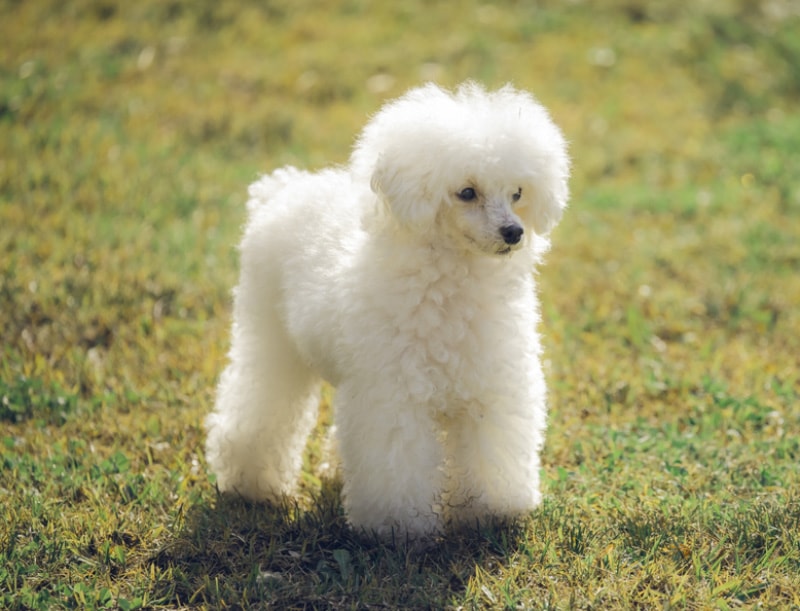
White dogs have a special place in the hearts of canine enthusiasts around the world. Their stunning snowy coats and loving personalities make them highly desirable pets. But with so many beautiful white breeds to choose from, how do you know which one is right for you?
In this comprehensive guide, we‘ll introduce you to some of the most popular white dog breeds, exploring their unique characteristics, care requirements, and ideal living situations. Whether you‘re looking for a petite lapdog or a massive mountain guardian, there‘s sure to be a perfect white pooch for you. Let‘s dive in!
Small White Dogs with Big Personalities
Don‘t let their diminutive size fool you – small white dog breeds are packed with personality. Here are some of our favorites:
1. Bichon Frise
The Bichon Frise is a cheerful, fluffy little ball of energy that loves nothing more than being the center of attention. Weighing just 12-18 pounds and standing 9-12 inches tall, these petite pooches are the perfect size for apartment living.
Bichons are known for their intelligence and trainability, making them excellent pets for first-time dog owners. They are also considered one of the best dog breeds for allergy sufferers, as they shed very little. However, their soft white coats do require regular grooming to prevent mats and tangles.
According to the American Kennel Club, the Bichon Frise has consistently ranked in the top 50 most popular dog breeds in the United States over the past decade. In 2020, they came in at number 43 out of 195 breeds.
2. Maltese
Regal and graceful, the Maltese is a gentle lapdog that adores human companionship. These tiny pups weigh less than 7 pounds and stand just 7-9 inches tall at the shoulder. They sport long, silky white hair that looks absolutely luxurious but requires daily brushing to prevent tangles.
Maltese are very adaptable little dogs that can thrive in apartments as long as they get regular walks and playtime. They are also highly intelligent and easy to train, making them a great choice for novice dog owners.
The Maltese has a long and fascinating history. The breed is believed to have originated in the Mediterranean region, possibly on the island of Malta, where they were prized by wealthy noblewomen as early as the 16th century. Today, they remain one of the most popular toy breeds in the world.
3. West Highland White Terrier
Commonly known as Westies, these spunky little terriers are full of personality. They were originally bred in Scotland to hunt rodents and other small prey, and they still retain their fearless, independent nature.
Weighing 15-20 pounds and standing 10-11 inches tall, Westies are a bit larger and sturdier than other small white dog breeds. They have a wiry double coat that requires regular brushing and trimming to maintain its distinctive shape.
Westies are intelligent but can be a bit stubborn, so they require patient training and lots of positive reinforcement. They also need plenty of exercise and mental stimulation to prevent boredom and destructive behaviors.
According to a study published in the journal Applied Animal Behaviour Science, Westies are one of the most vocal terrier breeds, with a tendency to bark, howl and whine more than other dogs. While this trait can make them excellent watchdogs, it may not be ideal for apartment living.
Medium-Sized White Dogs for Active Families
If you‘re looking for a white dog with a bit more size and energy, consider one of these popular medium-sized breeds:
1. Samoyed
The Samoyed is a stunning sled dog breed that was developed in Siberia to work in some of the harshest conditions on Earth. These powerful pups have thick, white double coats that protect them from extreme cold and wind.
Male Samoyeds stand 21-23.5 inches tall at the shoulder and weigh 45-65 pounds, while females are slightly smaller at 19-21 inches tall and 35-50 pounds. They are highly active working dogs that require plenty of exercise and mental stimulation to stay happy and healthy.
Samoyeds are known for their friendly, outgoing personalities and their signature "Sammy smile." They are loving family pets but can be a bit stubborn and independent, so they require firm, consistent training from an experienced owner.
According to the Samoyed Club of America, this breed has a relatively long lifespan of 12-14 years. However, they are prone to certain health issues like hip dysplasia, glaucoma, and diabetes, so it‘s important to work with a reputable breeder who performs genetic testing on their dogs.
2. White Shepherd
The White Shepherd is a stunning variation of the German Shepherd breed that is prized for its intelligence, loyalty, and working ability. These large, muscular dogs stand 22-26 inches tall at the shoulder and weigh 60-85 pounds.
White Shepherds are highly trainable and excel in a variety of roles, including police work, search and rescue, and service dog work. They are also devoted family pets that form strong bonds with their human companions.
However, White Shepherds require experienced owners who can provide them with firm, consistent training and plenty of exercise and mental stimulation. They can be aloof with strangers and may not be the best choice for homes with young children.
According to the White Shepherd Genetics Project, the white coat color in German Shepherds is caused by a recessive gene that can be associated with certain health issues like deafness and skin problems. Reputable breeders carefully screen their dogs for these issues before breeding.
3. American Eskimo Dog
The American Eskimo Dog is a beautiful spitz-type breed that comes in three size varieties: toy (up to 10 inches tall), miniature (10-15 inches tall), and standard (15-19 inches tall). They have a thick, fluffy white coat that gives them a fox-like appearance.
American Eskimo Dogs are intelligent, playful, and energetic. They excel in obedience and agility competitions and make wonderful family pets for active households. However, they can be vocal and prone to barking, so they may not be the best choice for apartment living.
According to the American Eskimo Dog Club of America, this breed has a lifespan of 13-15 years. They are generally healthy dogs but can be prone to certain genetic disorders like hip dysplasia and progressive retinal atrophy.
Giant White Dogs for Experienced Owners
If you have a large home and plenty of experience with dogs, you may be ready for one of these impressive giant white breeds:
1. Great Pyrenees
The Great Pyrenees is a majestic livestock guardian breed that originated in the mountains of France. These gentle giants can stand up to 32 inches tall at the shoulder and weigh well over 100 pounds.
Great Pyrenees are known for their calm, patient demeanor and their protective instincts. They make wonderful family pets but require plenty of space and a securely fenced yard to accommodate their size.
According to the Great Pyrenees Club of America, this breed has a relatively short lifespan of 8-12 years. They are prone to certain health issues like hip dysplasia, bloat, and bone cancer, so it‘s important to work with a reputable breeder who screens their dogs for these conditions.
2. Komondor
The Komondor is a unique Hungarian flock guardian breed known for its distinctive corded coat. These massive dogs can stand up to 30 inches tall at the shoulder and weigh 80-100 pounds or more.
Komondors are independent and protective by nature, so they require intensive socialization and training from an experienced owner. They are not a good choice for first-time dog owners or those who live in small spaces.
The Komondor‘s unusual coat is made up of long, white cords that protect them from predators and extreme weather conditions. The cords can grow up to 8-9 inches long and require regular maintenance to prevent matting and tangling.
According to the Komondor Club of America, this breed has a lifespan of 10-12 years. They are generally healthy dogs but can be prone to certain genetic disorders like hip dysplasia and bloat.
3. Kuvasz
The Kuvasz is another impressive white livestock guardian breed that originated in Hungary. These large, muscular dogs can stand up to 30 inches tall at the shoulder and weigh 70-115 pounds.
Kuvaszok (the plural of Kuvasz) are intelligent, independent, and fiercely loyal to their families. They require experienced owners who can provide them with firm, consistent training and plenty of socialization from a young age.
According to the Kuvasz Club of America, this breed has a lifespan of 10-12 years. They are generally healthy dogs but can be prone to certain genetic disorders like hip dysplasia and hypothyroidism.
White Dog Breeds in Popular Culture
White dogs have captured the hearts of people around the world, and they have been featured in numerous movies, TV shows, books, and social media accounts. Here are a few famous examples:
- Tintin‘s dog Snowy: The beloved white Wire Fox Terrier from the popular comic book series by Belgian cartoonist Hergé.
- Bolt: The star of the 2008 Disney animated film of the same name, Bolt is a white American White Shepherd who believes he has superpowers.
- Tinkerbelle: Paris Hilton‘s famous Chihuahua, who was often seen dressed up in designer outfits and carried around in a purse.
- Gabe the Dog: A popular internet meme featuring a fluffy white Miniature American Eskimo Dog named Gabe, known for his adorable head tilts and expressive face.
These famous white dogs have helped to popularize their respective breeds and inspire countless people to add a white furry friend to their family.
Choosing the Right White Dog Breed for You
With so many wonderful white dog breeds to choose from, how do you know which one is the best fit for your lifestyle and personality? Here are a few key factors to consider:
- Size: White dog breeds range from tiny lap dogs to massive mountain guardians, so it‘s important to choose a size that fits your living space and activity level.
- Energy level: Some white dogs, like the Samoyed and American Eskimo Dog, are highly active and require plenty of exercise and mental stimulation. Others, like the Bichon Frise and Maltese, are more low-key and adaptable to apartment living.
- Grooming needs: Many white dog breeds have long, fluffy coats that require regular brushing and grooming to prevent mats and tangles. Consider whether you have the time and resources to keep up with your dog‘s grooming needs.
- Training and socialization: Some white dog breeds, like the Great Pyrenees and Komondor, are independent and protective by nature, so they require firm, consistent training and socialization from an experienced owner. Other breeds, like the Bichon Frise and Maltese, are more eager to please and easier to train.
- Health concerns: Like all purebred dogs, white dog breeds can be prone to certain genetic health issues. Research the common health problems associated with each breed and choose a reputable breeder who performs genetic testing on their dogs.
By taking these factors into account and doing your research on each breed, you can find the perfect white dog to add to your family.
Adopting a White Dog
While purebred white dogs can be amazing companions, there are also countless white mixed-breed dogs in need of loving homes. According to the American Society for the Prevention of Cruelty to Animals (ASPCA), approximately 3.3 million dogs enter U.S. animal shelters every year, and many of them are white or partially white.
If you‘re considering adopting a white dog, there are several benefits to keep in mind:
- Lower cost: Adopting a dog from a shelter or rescue organization is often much less expensive than buying a puppy from a breeder, and the adoption fee usually includes vaccinations, spay/neuter surgery, and microchipping.
- Unique personality: Mixed-breed dogs often have unique personalities and traits that combine the best of multiple breeds. You may find a white dog with the loyalty of a Great Pyrenees, the playfulness of a Bichon Frise, and the intelligence of a Poodle all in one package!
- Saving a life: By adopting a white dog from a shelter or rescue, you are giving them a second chance at a happy life and freeing up space for another dog in need.
If you‘re interested in adopting a white dog, start by searching online databases like Petfinder and Adopt a Pet, or visit your local animal shelter or breed-specific rescue organization. Be prepared to fill out an adoption application, provide references, and pay an adoption fee to help cover the cost of the dog‘s care.
Conclusion
White dog breeds are truly special creatures that have captured the hearts of dog lovers around the world. From tiny lap dogs to massive mountain guardians, there is a white dog out there for every lifestyle and personality.
If you‘re considering adding a white furry friend to your family, be sure to do your research on each breed‘s characteristics, care requirements, and potential health concerns. And don‘t forget about the many amazing white mixed-breed dogs waiting for forever homes in shelters and rescues.
Owning a white dog comes with its own unique joys and challenges, from keeping their coat clean and tangle-free to managing their high energy levels and protective instincts. But for those who are willing to put in the time and effort, the love and companionship of a white dog is truly unmatched.
As dog lover and author Agatha Christie once said, "Dogs are wise. They crawl away into a quiet corner and lick their wounds and do not rejoin the world until they are whole once more." White dogs, with their pure and gentle souls, embody this wisdom and resilience, and they have so much to teach us about love, loyalty, and living in the moment.
So here‘s to all the beautiful white dogs out there – may they continue to bring joy, laughter, and unconditional love into our lives for many years to come!