Chinese Dog Breeds: An In-Depth Guide for Dog Lovers
China is home to some of the most ancient and iconic dog breeds in the world, many of which have played a significant role in the development of other breeds across the globe. From the majestic Chow Chow to the wrinkled Shar Pei to the diminutive Pekingese, Chinese dogs are renowned for their unique appearances, fascinating histories, and endearing personalities. In this comprehensive guide, we‘ll take a deep dive into the world of Chinese dog breeds, exploring their origins, characteristics, and what makes them so special.
The History and Cultural Significance of Dogs in China
Dogs have held a revered place in Chinese culture for thousands of years. The remains of dogs have been found in archeological sites in China dating back to the Neolithic period around 7000 BCE. In ancient China, dogs were bred for a variety of purposes, including hunting, herding, guarding, and companionship. They were also believed to have spiritual significance and were often depicted in Chinese art and mythology.
During the Han Dynasty (202 BCE-220 CE), dogs were kept as companions by Chinese nobles and were selectively bred to produce distinct types suited for different roles. For example, the Chow Chow was developed as an all-purpose working dog used for hunting, herding, and guarding, while the Pekingese was bred to be a loyal lapdog for the imperial court.
Over the centuries, Chinese dog breeds spread to other parts of Asia and eventually to the West, where they influenced the development of many modern breeds. Today, Chinese breeds like the Pug and Shih Tzu are popular companion dogs worldwide, while others like the Shar Pei and Chow Chow are admired for their unique looks and loyal personalities.
Chinese Dog Breed Profiles
Chow Chow
The Chow Chow is one of the most famous and recognizable Chinese dog breeds, known for its bear-like appearance and distinctive blue-black tongue. Here are some key facts about this ancient breed:
-
Origin: The Chow Chow is thought to have originated in northern China, possibly as far back as the Han Dynasty (202 BCE-220 CE). They were used as hunting, herding, and guard dogs, as well as companions for nobles.
-
Size: Chow Chows are a medium to large-sized breed. Males stand 18-22 inches tall and weigh 55-70 pounds, while females stand 17-20 inches tall and weigh 45-60 pounds.
-
Lifespan: The average lifespan of a Chow Chow is 8-12 years.
-
Personality: Chow Chows are known for their calm, aloof, and dignified personality. They are fiercely loyal to their family but can be reserved with strangers. Early socialization is important to prevent aggression.
-
Grooming: Chow Chows have a thick double coat that requires regular brushing to prevent matting. They are heavy shedders, especially during shedding season.
-
Health Concerns: Like many large breeds, Chow Chows are prone to hip dysplasia. They can also develop eye problems like entropion and should have their eyes checked regularly.
Chow Chows may not be the most demonstrative breed, but they form powerful bonds with their human companions. As one Chow owner puts it, "Chows are the cats of the dog world. They‘re very self-sufficient and independent, but when they bond with you, it‘s an unbreakable bond."
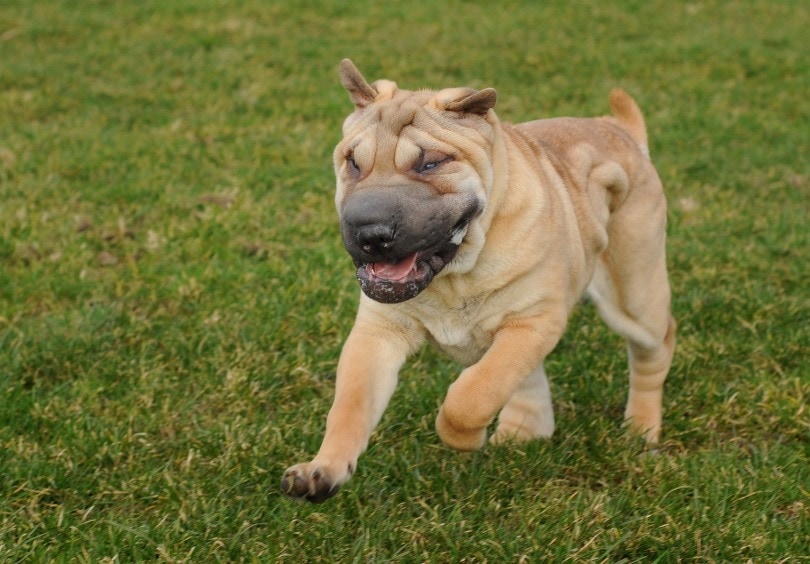
Shar Pei
The Chinese Shar Pei is an ancient breed best known for its wrinkled skin and hippopotamus-like head. Here are some key facts about this unique breed:
-
Origin: The Shar Pei originated in southern China, possibly as early as 200 BCE. They were bred to be versatile working dogs, used for herding, hunting, and guarding.
-
Size: Shar Peis are a medium-sized breed. Males stand 18-20 inches tall and weigh 45-60 pounds, while females stand 17-19 inches tall and weigh 40-55 pounds.
-
Lifespan: The average lifespan of a Shar Pei is 8-12 years.
-
Personality: Shar Peis are known for their independent, loyal, and protective nature. They bond closely with their family but can be aloof with strangers. They need early socialization and training to prevent aggression.
-
Grooming: Despite their wrinkles, Shar Peis are relatively low-maintenance for grooming. They need weekly brushing and their wrinkles should be kept clean and dry to prevent infection.
-
Health Concerns: Shar Peis are prone to several health issues, including hip and elbow dysplasia, eye problems like entropion, and skin fold infections. They also have a high incidence of allergies.
Shar Peis may not be the most gregarious dogs, but they are deeply devoted to their humans. As one Shar Pei breeder says, "Shar Peis are not everyone‘s cup of tea. They‘re independent thinkers and can be stubborn. But if you gain their trust and respect, you‘ll have the most loyal companion imaginable."
Pug
The goofy and good-natured Pug is one of the most popular Chinese dog breeds in the world. Here are some key facts about this charming little breed:
-
Origin: The Pug originated in China, possibly as early as 400 BCE. They were bred to be companions to the ruling classes and later became popular in Europe, especially among royalty.
-
Size: Pugs are a small breed, typically weighing between 14-18 pounds and standing 10-13 inches tall.
-
Lifespan: The average lifespan of a Pug is 12-15 years.
-
Personality: Pugs are known for their playful, affectionate, and sociable personalities. They love being around people and get along well with children, other dogs, and even cats.
-
Grooming: Pugs have a short, smooth coat that is easy to groom. They do shed quite a bit and need regular brushing. Their facial wrinkles should be cleaned regularly to prevent infection.
-
Health Concerns: As a brachycephalic (flat-faced) breed, Pugs are prone to respiratory issues. They are also susceptible to eye problems, obesity, and spinal issues like hemivertebrae.
Despite their small size, Pugs have big personalities. As one Pug owner gushes, "Pugs are like potato chips – you can‘t have just one! They‘re such clowns and so affectionate. They just want to be with their people all the time."
Pekingese
The regal Pekingese is an ancient Chinese breed that was once the exclusive companion of Chinese emperors. Here are some key facts about this royal little dog:
-
Origin: The Pekingese originated in China more than 2000 years ago. They were bred as lapdogs for the imperial court and were highly prized and protected.
-
Size: Pekingese are a small breed, typically weighing between 7-14 pounds and standing 6-9 inches tall.
-
Lifespan: The average lifespan of a Pekingese is 12-14 years.
-
Personality: Pekingese are known for their dignified, independent, and sometimes stubborn personality. They are loyal to their owners but can be aloof with strangers.
-
Grooming: Pekingese have a long, thick double coat that requires frequent grooming. Daily brushing and regular baths are a must to prevent matting.
-
Health Concerns: As a brachycephalic breed, Pekingese are prone to respiratory issues. They also commonly develop eye problems, luxating patellas, and spinal issues like intervertebral disc disease.
Pekingese may have a royal background, but they can make wonderful companions for commoners too. As one Pekingese owner shares, "Pekingese are little dogs with big personalities. They‘re not really lapdogs despite their size – they‘re too independent for that! But they do love to be close to their people."
Shih Tzu
The playful and outgoing Shih Tzu is another popular Chinese breed known for its flowing locks and friendly demeanor. Here are some key facts about this adorable little breed:
-
Origin: The Shih Tzu originated in Tibet as early as 800 CE and was later developed in China, where it became popular during the Ming Dynasty.
-
Size: Shih Tzus are a small breed, typically weighing between 9-16 pounds and standing 8-11 inches tall.
-
Lifespan: The average lifespan of a Shih Tzu is 10-16 years.
-
Personality: Shih Tzus are known for their affectionate, playful, and sociable personalities. Unlike many other Chinese breeds, they tend to be outgoing with everyone and make great therapy dogs.
-
Grooming: Shih Tzus have a long, silky double coat that requires daily brushing and regular trimming. Many owners keep their Shih Tzus in a shorter "puppy cut" for easier maintenance.
-
Health Concerns: As a brachycephalic breed, Shih Tzus are prone to respiratory problems. They also commonly develop eye issues, dental problems, and luxating patellas.
Shih Tzus are a great fit for people looking for a small, affectionate companion dog. As one Shih Tzu breeder explains, "Shih Tzus just love people. They‘re not a one-person dog – they want to be friends with everyone they meet! They‘re also very adaptable and do well in all kinds of living situations, from apartments to big houses."
Rare and Unique Chinese Dog Breeds
In addition to the well-known breeds profiled above, China is home to several rare and fascinating dog breeds that showcase the diversity of the country‘s canine heritage. Some of these breeds are critically endangered, with only a few hundred individuals remaining. Here‘s a look at some of these unique breeds:
Xiasi Quan
The Xiasi Quan is an ancient breed from the remote village of Xiasi in the Guizhou Province of China. These hardy little dogs are known for their shaggy coats and fox-like faces. They were traditionally used as all-around farm dogs, assisting with herding, hunting, and guarding.
Today, the Xiasi Quan is extremely rare, with an estimated population of only around 300 dogs. Efforts are underway to preserve and promote the breed, which is considered a cultural treasure of the Xiasi region.
Chongqing Dog
The Chongqing Dog is a rare breed native to the Chongqing region of China. They are medium-sized dogs with a sturdy build, a short dense coat, and a distinctive "bamboo stick" tail. Chongqing Dogs were originally bred as hunting and guard dogs.
Like many native Chinese breeds, the Chongqing Dog faced extinction during the 20th century. Today, dedicated breeders are working to preserve and promote the breed, but their numbers remain very low, with an estimated global population of less than 1000 dogs.
Chinese Crested
The Chinese Crested is a small, elegant breed that comes in two varieties – the Hairless, which has hair only on the head, tail, and feet, and the Powderpuff, which is covered in a long, silky coat. Despite their name, the origins of the Chinese Crested are somewhat mysterious, and some believe they may have actually originated in Africa or Mexico.
What is known is that Chinese Cresteds were commonly used as ratting dogs on Chinese ships, which is likely how they spread around the world. Today, they are primarily companion dogs known for their affectionate and playful personalities.
Owning a Chinese Dog Breed
If you‘re considering adding a Chinese dog breed to your family, it‘s important to do your research and make sure you choose a breed that fits your lifestyle and personality. Here are some factors to keep in mind:
-
Chinese breeds like the Chow Chow, Shar Pei, and Pekingese can be independent and aloof, and may not be the best choice for first-time dog owners or families with young children.
-
Many Chinese breeds have significant grooming needs, such as the Shih Tzu and Pekingese with their long coats, and the Shar Pei with its wrinkles that need regular cleaning. Make sure you‘re prepared for the time and financial commitment of grooming.
-
Some Chinese breeds like the Pug, Pekingese, and Shih Tzu are brachycephalic, which means they have flat faces and short snouts. This can lead to breathing difficulties, especially in hot weather or during exercise. If you live in a warm climate or plan to be active with your dog, a brachycephalic breed may not be the best choice.
-
Many Chinese breeds are prone to specific health issues, such as hip dysplasia in Chow Chows and Shar Peis, eye problems in Pugs and Pekingese, and skin fold infections in Shar Peis. Be prepared for potential veterinary expenses and consider getting pet health insurance.
-
If you‘re interested in a rare Chinese breed like the Xiasi Quan or Chongqing Dog, be prepared to do extra research and work with a reputable breeder, as these dogs may be difficult to find and expensive to obtain.
No matter which Chinese breed you choose, the most important thing is to provide your dog with plenty of love, attention, socialization, and veterinary care. With proper care and training, a Chinese dog can make a loyal and loving companion for life.
Conclusion
From the ancient Chow Chow to the modern-day Pug, Chinese dog breeds have a rich and fascinating history that spans thousands of years. These breeds have played important roles as working dogs, companions to royalty, and beloved pets around the world.
While each Chinese breed is unique, they all share a special place in the hearts of dog lovers for their striking appearances, endearing personalities, and ancient lineages. Whether you‘re drawn to the dignified Shar Pei, the playful Shih Tzu, or one of the rare and mysterious breeds like the Xiasi Quan, there is a Chinese dog breed to suit every taste and lifestyle.
As we‘ve seen, owning a Chinese dog breed comes with special considerations and responsibilities, from grooming needs to health concerns to training challenges. But for those who are prepared to meet these challenges, the rewards of sharing your life with a Chinese dog are immeasurable.
In the words of a Chinese proverb, "A dog is not considered a good dog because he is a good barker. A man is not considered a good man because he is a good talker." Chinese dogs may not be the most talkative of breeds, but they speak volumes through their loyalty, affection, and unique personalities. They are truly special creatures that deserve our respect, admiration, and love.