White Shepherd Dog: Breed Info, Pictures, Traits, & Care
A Majestic White Wolf: Meet the White Lycan Shepherd Dog
You‘ve likely heard of the dignified German shepherd, but did you know this popular breed has an angelic white-coated cousin? Enter the white shepherd dog, and its especially enchanting variety, the white lycan shepherd. With a wolfish yet elegant appearance, keen intelligence, and deeply loyal nature, these snow-white beauties have captured many a dog lover‘s heart. Let‘s take a deep dive into the captivating world of white shepherds and discover what makes the lycan variety so special.
From Germany to America: A Shepherd‘s Colorful Journey
The story of white shepherds is intricately tied to that of their close relative, the German shepherd. In the late 1800s, German cavalry officer Max von Stephanitz set out to create the ideal herding and working dog. He selectively bred the best shepherd dogs from rural Germany to develop the breed we now know as the German shepherd or Alsatian.
Interestingly, white-coated pups would occasionally pop up in litters from von Stephanitz‘s original German shepherd line. However, he believed the white color was a fault and did not align with his goal of a dark, wolf-grey "wolf-like" dog. Therefore, he prevented white shepherds from being bred. In 1968, the American Kennel Club (AKC) officially disqualified white German shepherds from conformation shows.
Despite this, some breeders saw the beauty and potential in the ivory-colored shepherds. They continued selectively breeding white-coated German shepherds in the United States and Canada. In 1999, the United Kennel Club recognized the white shepherd as a separate breed from the German shepherd. Today, organizations like the American White Shepherd Association dedicate themselves to preserving and promoting these angelic dogs.
An Angel in Wolf‘s Clothing: The Lycan Shepherd Look
White shepherds share most physical characteristics with their German shepherd cousins, with the obvious exception of coat color. They are large dogs, with males standing 25-30 inches tall and females 24-27 inches tall at the withers. A healthy male weighs 75-110 pounds, while females range from 60-80 pounds.
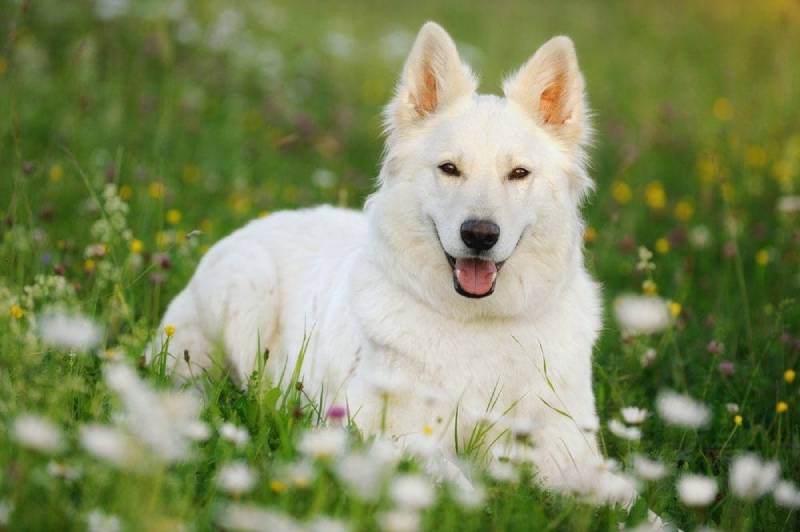
Their most striking feature is, of course, their pristine white double coat. White shepherds have a dense undercoat and straight, harsh outer coat of medium length, often compared to the arctic wolf. The hair is shorter on the head, ears and front legs, with thicker, longer fur on the neck, chest, rump and back legs, giving a lush, mane-like appearance.
White lycan shepherds take this wolf-like look to the next level. Lycan shepherds are a relatively new variety, developed by breeding white shepherds with a touch of wolfdog or Utonagan, a breed designed to resemble wolves. This gives lycan shepherds a more primitive, wolfish appearance while retaining the white shepherd‘s even temperament and trainability.
Lycan shepherds tend to be on the larger end of the white shepherd size spectrum. They have a blockier head shape, slightly rounded ears, and almond-shaped eyes ranging from amber to light brown – all adding to their wolf-like mystique. Their lush, snow-white coat is even thicker than a standard white shepherd‘s, often with grey or cream undertones and a dark nose.
Beauty and Brains: The Bright White Shepherd Mind
Like German shepherds, white shepherds are highly intelligent, intuitive dogs. They are quick learners, able to pick up a wide variety of commands and tasks. In fact, they rank in the top 3 smartest dog breeds alongside border collies and poodles. This keen mind needs stimulation – white shepherds thrive on having an engaging job to do, whether herding, tracking, agility, or being a service dog.
White lycan shepherds share this sharp intelligence, with a touch of free-spirited wolfdog resourcefulness. They are incredibly tuned-in to their environment and handler, seeming to instinctively understand what‘s needed in any given moment. As lycan shepherds mature, their wild intellect shines through even more. They are adept problem solvers, able to figure out puzzles and navigate obstacles with astonishing ease.
With this bright mind comes a need for patient, consistent training starting from puppyhood. White shepherds are eager to learn and please their humans, but they can also be strong-willed at times, especially during adolescence. Positive reinforcement methods work best – punishment or heavy-handed techniques will only damage your bond. Keep training engaging with lots of treat rewards, praise and variety. Well-trained white shepherds excel in obedience, scent work, search-and-rescue, and service dog roles.
Loyal to the Core: Living with a White Shepherd
White shepherds bond deeply with their family and are known for being incredibly loyal companions. They‘ll follow you from room to room, attentively watching for any sign you might need them. With their acute senses and guarding instincts, white shepherds also serve as excellent watchdogs, quick to alert you to anything amiss.
That said, they are not an aggressive or highly suspicious breed by nature. White shepherds are aloof with strangers but tend to relax once you give the okay. Early, frequent socialization to many different people and situations is a must to nurture their discernment and prevent fearfulness. With their family, white shepherds are affectionate, playful goofballs who adore cuddles, chasing balls, and romping with kids.
White lycan shepherds tend to be the most closely bonded to their primary handler in the family. They are a "velcro dog" personified, sticking right by your side as much as possible. This extraordinarily deep devotion means lycan shepherds don‘t do well left alone for long periods. They thrive on being with their person as much as possible, going on adventures together and sharing quiet moments. Separation anxiety can be an issue, so crate training and alone-time practice from puppyhood is important.
Grooming: Maintaining that Snowy Coat
As you might imagine, white shepherds require a bit more coat upkeep than their tan-and-black cousins. Their thick double coat sheds heavily year-round, with even bigger "blow outs" as seasons change. Brushing at least a few times a week is a must to keep shed hair under control and prevent matting, especially behind the ears, elbows and thighs where fur is thickest.
Lycan shepherds have an even plusher, more wolflike coat that requires dedicated brushing sessions – some say daily is ideal. A sturdy undercoat rake and slicker brush are your best tools. Fortunately, their white fur tends to not show dirt as much, so you can typically get away with just a few baths per year unless they roll in something smelly. Keep nails trimmed short, brush teeth regularly, and check ears weekly for wax build-up and signs of infection.
Exercise: Tire Out Your White Wolf
As a herding breed with wolfish roots, white shepherds have impressive stamina, speed and athleticism. They needs ample daily exercise to stay physically and mentally fit – at least an hour of vigorous activity, preferably broken up into a couple sessions. Running, hiking, biking, swimming, fetch, Frisbee, agility, tracking, you name it – white shepherds make tireless adventure buddies.
Lycan shepherds tend to have an even bigger motor, able to go farther and longer than other shepherds. Expect to provide more like 1.5-2 hours of intense daily exercise. A big, securely fenced yard is recommended so your lycan has room to freely run and play throughout the day in addition to structured outings. Puzzle toys, snuffle mats, frozen Kongs and the like also provide crucial mental exercise when you can‘t be out roaming together. A bored lycan shepherd will quickly become a destructive one, so keep that big brain and body busy!
Health & Lifespan: Protecting Your White Shepherd
With good care, white shepherds typically live 12-14 years – a nice long life for a large breed. Like German shepherds, they can be prone to hip and elbow dysplasia, degenerative myelopathy, eye disorders and bloat. Responsible breeders health test parents to reduce risks.
White shepherds may also be more sensitive to certain drugs due to the gene that causes their white coat. A DNA test can reveal if your dog carries the MDR1 mutation and needs reduced doses of common meds like ivermectin.
Lycan shepherds‘ touch of wolfdog adds hybrid vigor, meaning they tend to have slightly fewer inherited health issues and longer lifespans. That said, large male lycan shepherds may be more prone to cruciate ligament tears and arthritis in their later years due to their size. Proper nutrition, regular exercise, and joint supplements as seniors can help them stay spry.
Finding Your White Wolf: Breeders & Rescues
If a white shepherd or lycan shepherd has stolen your heart, take time to find a responsible breeder dedicated to health and temperament. The American White Shepherd Association and Lycan Shepherd Dog Association both provide breeder referral services. Expect to be thoroughly interviewed about your home, lifestyle and experience. Quality breeders want to ensure pups go to knowledgeable, committed homes.
You can also check white shepherd and German shepherd rescues, as they sometimes take in whites. Adopting an older dog lets you skip the intensive puppy stage. That said, shepherd rescues often have higher exercise and training needs after bouncing homes, so be prepared to provide extra TLC.
Whether adopted or from a breeder, your white shepherd will be eternally grateful for their loving home. In return, you‘ll gain a fiercely intelligent, adventurous, affectionate companion like no other. With a white lycan shepherd by your side, every day will feel like running with the wolves in the best possible way.