Do Dogs Have Emotions? Exploring the Inner World of Our Canine Companions

As a veterinarian and lifelong dog devotee, I‘ve always been fascinated by the depth and complexity of the canine psyche. When I gaze into my own dog‘s soulful brown eyes, I feel certain that I‘m looking at a sentient being with a rich inner life. But as a scientist, I know I can‘t rely on gut feelings alone. So I‘ve made it my mission to understand what research really says about dogs and emotions.
The question of whether dogs have emotions—and if so, which ones—is far from just academic. It strikes at the very core of the human-canine bond. Most dog lovers I know are as invested in their pup‘s psychological well-being as they are in their physical health. So let‘s dive into the science of dog feelings, and what it means for our role as canine caretakers.
Happiness: The Tail-Wagging Truth
If you‘ve ever seen a dog welcome their human home after a long day, you already have a vivid picture of pure, unbridled canine joy. Science backs up what we know in our hearts to be true: dogs seem hardwired for happiness, given the right conditions.
When a team of UK researchers trained dogs to remain still in an MRI machine, they were able to see the canine brain‘s response to various stimuli in real-time. They found that the reward centers of the brain "lit up" when dogs were exposed to praise words in a positive tone, or to the scent of a familiar human. This response was even stronger than when the dogs received a food treat!
What‘s more, the neurochemicals involved in processing doggy delight are remarkably similar to our own. When we humans feel content, it‘s due in large part to the release of dopamine, oxytocin, serotonin, and endorphins. Studies have found that dogs‘ brains show an uptick in these same "happy hormones" during positive interactions with their favorite people.
But you don‘t need an MRI to spot a happy hound. Some telltale physical signs include:
- Relaxed, wiggly body posture
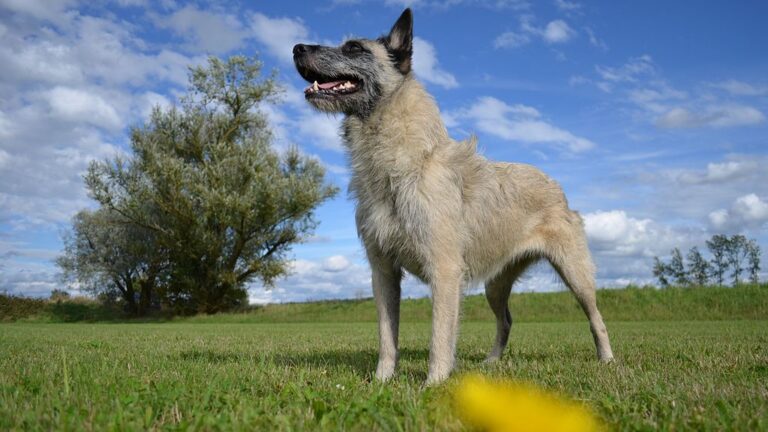
- Mouth open and tongue lolling in a "smile"
- Enthusiastic tail wagging
- "Play bows" (front end down, rear in the air)
- Excited barks and yips
Happy dogs seek out connection and physical touch, so if your pup is glued to your side or always angling for belly rubs, chances are they‘re feeling great.
Love: Your Dog‘s Deepest Devotion
I believe one of the main reasons we‘re so drawn to dogs is their astounding capacity for unconditional love. But can we really call it "love" when our dogs show us affection? Or is it just a self-serving ploy for more treats and ear scratches?
The latest canine neuroscience says: believe the love! A group of scientists recently demonstrated that when dogs interact with their owners, both human and canine brains are flooded with oxytocin—the same hormone that bonds mothers to babies and romantic partners to each other.
What‘s more, the strength of the oxytocin response was directly correlated with how long the dog spent gazing into their owner‘s eyes, which researchers consider the doggy version of declaring your love.
Breeds known for forming especially deep bonds with their owners, like Labrador Retrievers and Golden Retrievers, show even higher levels of oxytocin after quality time with their favorite humans. The human-canine affection connection is truly a two-way street.
But if you‘re looking for signs that your dog adores you, watch their body language:
- Leaning into you or resting their head on you
- Sleeping with a paw or head touching you
- Lifting eyebrows (especially the left one) while making eye contact
- "Checking in" with you frequently on walks or at the dog park
- Bringing you their most prized toys and treats
Fear: When the World Feels Scary
Just like us, even the most pampered pooch can experience anxiety and trepidation at times. Some common canine fear triggers include:
- Loud noises (fireworks, thunder, construction sounds)
- Unfamiliar people or animals
- Car rides
- Visits to the vet or groomer
- Separation from family
But what does fear actually feel like to a dog? Brain imaging studies show that in scary situations, dogs‘ amygdalas—the "panic button" region of the brain—kick into overdrive. This floods their system with stress hormones like cortisol and adrenaline, leading to the classic signs of doggy distress:
- Lowered body posture, tail tucked between legs
- Flattened ears
- Wide eyes with dilated pupils
- Shaking, drooling or panting
- Excessive shedding
- Whining, barking, or howling
Over time, anxiety that goes unchecked can lead to lasting psychological scars. If you suspect your dog is wrestling with fear, it‘s crucial to work with a vet or behaviorist to get to the root of the issue. Often, a combination of training, desensitization, and anti-anxiety aids can help your pup cope with a worrying world.
Sadness: Do Dogs Get the Blues?
The bonds we form with our dogs are so profound, it‘s only natural to wonder: do our pups pine for us when we‘re gone? Can they truly mourn the loss of a friend or grieve a drastic change?
Evidence suggests that dogs can indeed experience depression and loneliness. In one famous case, a scent-detection dog named Hachiko continued to wait for his deceased owner at a Tokyo train station every day for over nine years. If that‘s not loyalty born of love and longing, I don‘t know what is!
Less dramatic, but much more common, are the everyday doldrums some dogs experience when left alone too long or confined without enough interaction. I‘ve found that some of the telltale signs are:
- Lethargy and excessive sleeping
- Lack of interest in play or treats
- Destructive behaviors like chewing and digging
- Increased barking or whining
- Decreased appetite
- Eliminating indoors
Breeds prone to separation anxiety, like Chihuahuas, Toy Poodles, and Italian Greyhounds, may be especially susceptible to loneliness-induced funk. But any under-stimulated or under-loved dog can become despondent over time.
Fortunately, there are concrete steps we can take to stave off the doggy doldrums. The key is providing plenty of exercise, mental stimulation, and quality bonding time each day. For anxious dogs, calming pheromone diffusers, weighted vests, and "safe spaces" like crates can also soothe sadness.
The Roots of Rover‘s Emotions
Now that we‘ve established that dogs do indeed experience a wide range of feelings, you may wonder: where do these emotions come from? Are pups born with the capacity for joy, fear, love and sadness? Or do they learn to feel as they grow?
The answer is likely a bit of both. Canine emotions seem to have a clear genetic component, with different breeds and individuals showing distinct emotional predispositions. However, a dog‘s early life experiences and socialization also have a huge impact on their emotional development.
One landmark study found that puppies who received plenty of gentle handling, socialization, and exposure to new stimuli in their first 3 months of life grew into more stable, resilient adults. Conversely, pups who experienced neglect or trauma showed much higher rates of fearfulness and timidity.
So while your dog‘s basic emotional wiring may be determined by their DNA, there‘s still a lot we can do to shape emotionally healthy hounds. The more love, security, and positive exposure we can provide during those critical early weeks, the better equipped our dogs will be to handle life‘s ups and downs.
The Empathy Connection
In humans, the ability to share another‘s feelings—known as empathy—is a cornerstone of emotional intelligence. And it just so happens to be one of dogs‘ most remarkable superpowers!
In a groundbreaking study, researchers asked volunteers to either hum or pretend to cry in front of their dogs. The result? Dogs were significantly more likely to approach the "crying" person, often nuzzling or licking them in an apparent attempt to provide comfort.
What‘s more, dogs seem especially attuned to emotional cues from their owners. When humans make a sad face and pretend to cry, their pups show clear signs of distress and concern. Some dogs will even seek out help from a nearby person, as if to say "My human is sad, please fix it!"
On a physiological level, dogs and owners in close relationships actually "sync up" their stress hormone levels over time. This means your dog doesn‘t just observe your emotions—they actually share and experience them in a very real way.
So the next time your dog showers you with kisses when you‘re feeling down, know that it‘s not just empty consolation. Your pup is responding to your pain with true empathy and concern, and their love is a powerful balm for the soul.
Supporting Your Dog‘s Emotional Health
By now, I hope I‘ve convinced you that dogs are deeply feeling creatures who need our support to thrive emotionally. But what does that look like in practice? Here are some of my top tips for nurturing your pup‘s psychological well-being:
-
Provide plenty of exercise and mental stimulation. A tired dog is a happy dog! Aim for at least 30-120 minutes per day of physical activity, depending on your dog‘s breed and energy level. Puzzle toys, training games, and nose work are also great for keeping your pup‘s mind engaged.
-
Create a predictable routine. Like humans, dogs feel secure when they know what to expect from their day. Try to keep mealtimes, walks, and bedtime on a consistent schedule, especially if your dog is prone to anxiety.
-
Socialize early and often. The more positive experiences your pup has with new people, animals, and situations from a young age, the more emotionally resilient they‘ll be down the line. Just be sure to introduce new stimuli gradually, and never force interaction if your dog seems scared.
-
Make time for cuddles and connection. One-on-one bonding time is key for cementing your dog‘s sense of security. Whether it‘s a leisurely grooming session, a belly rub marathon, or just gazing lovingly into each other‘s eyes, carve out those moments of affection each day.
-
Don‘t punish fear or sadness. If your dog is showing signs of anxiety or depression, the last thing they need is scolding or isolation. Gentle reassurance, calming aids like pheromone sprays, and positive reinforcement training can help your pup through those rough patches.
-
Be there through life‘s changes. Dogs thrive on routine, so big upheavals like a move, new baby, or sudden schedule change can wreak havoc on their emotional equilibrium. If you know a stressful shift is in the cards, give your pup extra TLC during the transition. If you‘ll be extra busy or away from home more, consider hiring a dog walker or pet sitter to keep that connection stable.
-
Trust your instincts. You know your dog‘s "normal" better than anyone, so if you sense that something is off emotionally, don‘t hesitate to seek help from a vet, trainer, or behaviorist. With a little guidance and a lot of love, you and your pup can overcome any rough patch.
The Heart of the Matter
At the end of the day, I believe the question of canine emotions boils down to one simple truth: dogs feel deeply, and they feel for us.
Their joy is pure, their love unconditional, their grief bone-deep. And while dogs may not process emotions in exactly the same way humans do, it‘s impossible to deny the depth of their inner world.
As a veterinarian, I consider it a sacred duty to help dogs live their best emotional lives. But I also know that you don‘t need a degree to make a difference. To your dog, you are the center of their universe. You have the power to shape their emotional landscape with every loving word and belly rub.
Let‘s wield that power with care, with compassion, and above all, with reciprocal devotion. Our dogs pour their hearts into pleasing us. The least we can do is safeguard their precious feelings in return.
After all, their love is one of the greatest gifts this world has to offer. And if that‘s not something to wag our tails about, I don‘t know what is.