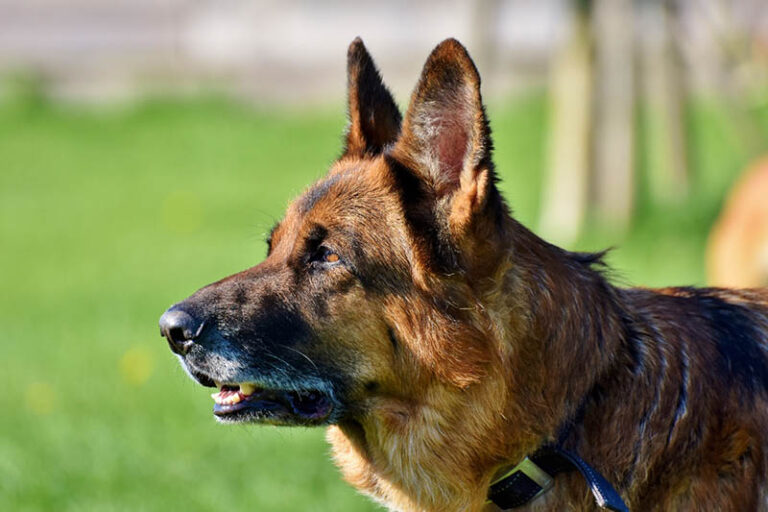
Why Do Australian Shepherds Howl? Analyzing This Breed‘s Vocal Nature

Australian Shepherds are beloved for their striking good looks, keen intelligence, and endlessly enthusiastic personalities. As any Aussie owner can attest, these exuberant dogs have a lot to say—and they‘re not afraid to speak up! Whether they‘re barking to alert you to the mail carrier‘s approach, whining for dinner, or howling at the sound of a distant siren, Australian Shepherds are one of the most vocal breeds around.
While all that noise can sometimes be challenging to live with, it helps to understand the reasons behind your Aussie‘s vocalizations. Howling, in particular, is a deeply ingrained behavior for this herding breed. To really grasp why Australian Shepherds howl, let‘s first take a closer look at their origins and the role howling has played throughout their history.
The Australian Shepherd‘s Ranching Roots
Despite their misleading name, Australian Shepherds were actually developed in the western United States during the 1800s. Ranchers in states like Colorado, Wyoming, and California sought out the ideal herding dog to help manage their flocks of sheep and herds of cattle. They crossed a variety of working breeds, including Collies, Border Collies, Basque Shepherd Dogs, and English Shepherds, to create a highly intelligent, agile, and tireless new breed: the Australian Shepherd.
On the wide open ranges of the Old West, Australian Shepherds served as invaluable partners to ranchers. They used their keen herding instincts to guide and control livestock across vast distances. And one of their most important tools for the job was their voice.
Aussies developed the ability to communicate with livestock, other dogs, and human shepherds using a range of vocalizations. A series of sharp barks could drive the herd forward or bring back a stray. A deep, warning growl could fend off predators. And a loud, prolonged howl could alert the shepherd to a problem or call in backup from other dogs.
Even today, with many Australian Shepherds living as companion dogs rather than ranch hands, that instinct to howl remains deeply embedded in their nature. It‘s a part of their heritage and one of the reasons they‘re so delightfully chatty.
How Common Is Howling in Australian Shepherds?
Not every Australian Shepherd is excessively vocal, but experts estimate that around 35% of the breed exhibits frequent howling behavior. In a 2020 study of 167 Aussies, owners reported that:
- 21% howled on a daily basis
- 14% howled several times per week
- 28% howled a few times per month
- 37% rarely or never howled
So while not all Australian Shepherds are prolific howlers, it‘s certainly a common behavior for the breed. If you share your life with an Aussie, there‘s a good chance you‘ll be treated to the occasional soulful serenade!
12 Reasons Your Australian Shepherd Howls
Now that you know a bit about the history and prevalence of howling in Australian Shepherds, let‘s delve into the many reasons these dogs use their voices. Here are 12 fascinating explanations for your Aussie‘s vocalizations:
1. Herding Instinct
One of the most common reasons Australian Shepherds howl is due to their strong herding instinct. Even if your Aussie has never set paw on a ranch, they still have that innate drive to gather and control a flock.
You might notice your Aussie trying to "herd" your kids or other pets by barking, nipping at their heels, or giving a commanding howl. It‘s their way of keeping everyone together and in line, just as they would with a flock of sheep.
2. Seeking Attention
Australian Shepherds are highly social, people-oriented dogs. They crave interaction and affection from their humans. If your Aussie feels neglected or understimulated, they may try to get your attention by howling.
This is especially common if your Aussie is crated or confined away from the family. They may howl to say, "Hey, remember me? I‘m over here and I need some love!" Providing plenty of social interaction, exercise, and mental stimulation can help prevent attention-seeking howls.
3. Communicating From Afar
The howl is the long-distance call of the canine world. It can carry for miles, allowing dogs to communicate with packmates far beyond the reach of a bark or growl.
For Australian Shepherds, howling is an instinctive way to touch base with other dogs or people across expansive distances. Your Aussie may howl to locate you in a large park or to reconnect with doggy pals they hear howling in the neighborhood.
4. Expressing Pain
Not all howling is normal or harmless for Australian Shepherds. Sometimes, a dog may howl to express pain or distress. If your Aussie rarely howls but suddenly starts vocalizing excessively, it could indicate an injury or illness.
Other signs your Aussie may be howling in pain include:
- Persistent, mournful howling
- Yelping or whining when touched
- Lethargy and lack of appetite
- Limping or mobility issues
If you suspect your Australian Shepherd is howling due to pain, it‘s important to consult with your veterinarian right away. They can diagnose and treat any underlying health issues to get your pup feeling better.
5. Greeting You
Australian Shepherds form incredibly strong bonds with their favorite humans. Your Aussie probably thinks you‘re the greatest thing since bacon-flavored chew toys! So it‘s no wonder they get a bit worked up when you come home after a long day.
Many Aussies express their joy and excitement by howling when their humans return. It‘s like a triumphant bugle call heralding your arrival: "The pack is back together again, hurrah!" This enthusiastic greeting is a testament to the deep love and loyalty Australian Shepherds have for their people.
6. Reacting to Fear
Just as they howl to express happiness, Australian Shepherds may also vocalize when they‘re feeling scared or anxious. Loud noises like thunder, fireworks, or construction work can trigger fearful howling. So can unfamiliar people or animals, trips to the vet, or any situation your Aussie perceives as threatening.
If your Australian Shepherd howls out of fear, they may also exhibit other signs of anxiety like:
- Pacing or restlessness
- Panting or drooling
- Hiding or cowering
- Destructive chewing or digging
If your Aussie‘s fear howling is severe or frequent, it‘s a good idea to consult with a professional dog trainer or behaviorist. They can help you develop a plan to build your pup‘s confidence and teach them to cope with scary situations in a calmer way.
7. Joining the Chorus
Dogs are social howlers by nature. When one pup starts howling, others instinctively join in, creating a sort of impromptu canine choir. This behavior likely dates back to their wild ancestors, who used group howling to strengthen social bonds and establish territory.
Your Australian Shepherd may feel compelled to howl along when they hear certain sounds that mimic a howl, like:
- Emergency vehicle sirens
- Musical instruments, especially wind instruments
- Other dogs howling nearby
- Wolves howling (even TV or video recordings of wolves!)
Joining in the group howl is a completely normal behavior for dogs, so there‘s no need to discourage it unless it becomes excessive. Just think of it as your Aussie embracing their inner wolf!
8. Coping With Separation Anxiety
Australian Shepherds were bred to work in close partnership with humans, so it‘s no surprise they become deeply attached to their owners. While this loyalty is endearing, it can sometimes veer into unhealthy territory if your Aussie becomes overly dependent on you.
Some Australian Shepherds develop separation anxiety when left alone, even for short periods. They may howl mournfully as if to say, "Come back, I need you!" This howling is often accompanied by other anxious behaviors like pacing, destructive chewing, or loss of bladder control.
Separation anxiety can be a tough issue to tackle, but with patience and training, you can help your Aussie learn to feel calm and confident when alone. The key is to practice brief absences and reward your pup for staying quiet and relaxed. Puzzle toys and long-lasting chews can also help keep them happily occupied while you‘re away.
9. Expressing Joy
Howling isn‘t always a sign of distress for Australian Shepherds. Often, it‘s a way for them to express sheer joy and enthusiasm! Your Aussie may let out an excited howl when you grab their leash for a walk, toss their favorite ball, or announce that it‘s dinnertime.
This "happy howling" is usually accompanied by other signs of excitement like:
- Full-body wiggles
- Leaping and bounding
- Play bows and belly-up rolls
- A big, goofy grin
Happy howls are a great reminder of how much our dogs love the simple things in life. So go ahead and join in the celebration with your own howl of delight – your Aussie will love you for it!
10. Seeking Mental Stimulation
Australian Shepherds are whip-smart working dogs with energy to burn. They need plenty of physical and mental exercise to stay happy and well-behaved. Without enough stimulation, Aussies can become bored, frustrated, and destructive.
Excessive howling can sometimes be a sign that your Aussie is understimulated. They may howl to alert you to their pent-up energy and plead for some action, as if to say, "Hey, I‘m going stir-crazy over here! Let‘s DO something!"
To keep your Australian Shepherd‘s brain and body engaged, try:
- Daily walks, runs, or hikes
- Games of fetch or tug-of-war
- Puzzle toys filled with treats
- Scent work games
- Obedience training sessions
- Trips to the dog park
- Agility or herding classes
The more you can challenge your Aussie‘s keen mind and athletic body, the less likely they‘ll be to howl out of boredom.
11. Claiming Territory
Like many herding breeds, Australian Shepherds have strong territorial instincts. They feel a deep sense of responsibility to watch over their home and family. So when an unfamiliar person or animal encroaches on their turf, they often sound the alarm with barking and howling.
Your Aussie‘s territorial howl may be triggered by:
- Delivery drivers approaching your door
- Neighbors walking past your yard
- Strange dogs marking near your property
- Wildlife like squirrels or rabbits in your garden
While this watchdog behavior can be reassuring, it becomes a problem if your Aussie howls excessively at every passing leaf. Teaching the "quiet" command and rewarding calm behavior can help rein in over-the-top territorialism.
12. Enjoying the Sound of Their Voice
Last but not least, some Australian Shepherds seem to howl simply because they enjoy doing it! They relish the feeling of throwing their head back and letting out a long, drawn-out "arooooo." It‘s a form of self-expression and a way to revel in the power of their own voice.
If your Aussie is a frequent "recreational howler," you might notice that their howls have distinct tones and patterns. A low, mournful howl may indicate loneliness, while a high-pitched, yippy howl could be an invitation to play. Learning to interpret your dog‘s different howls can give you valuable insight into their emotional world.
As long as your Aussie‘s howling isn‘t excessive or disruptive, there‘s no harm in letting them indulge in a bit of vocal play. Just consider it their way of adding a joyful soundtrack to your life together!
The Final Word on Australian Shepherd Howling
Howling is a deeply instinctive behavior for Australian Shepherds, dating back to their early days as herding dogs on the open range. While not all Aussies are vocal, many use howling as a way to communicate with their packmates, express their emotions, and get their needs met.
As an Australian Shepherd owner, it‘s important to listen to your dog‘s howls and learn to interpret their meaning. Is your Aussie bored and pleading for playtime? Are they joining in a neighborhood howl-along? Or are they howling in pain or fear?
By understanding the reasons behind your Aussie‘s vocalizations, you can better meet their needs and strengthen your bond. And if their howling ever becomes excessive, you can work with a trainer or behaviorist to develop a positive training plan.
At the end of the day, a bit of howling is just part of life with an Australian Shepherd. It‘s a quirky, endearing behavior that reflects their rich history, keen intelligence, and zest for life. So the next time your Aussie throws their head back and lets out a hearty howl, just smile and enjoy the serenade – it‘s the sound of a happy, healthy herding dog doing what comes naturally!