Why Do Dogs Get Stuck During Mating? A Veterinarian Explains
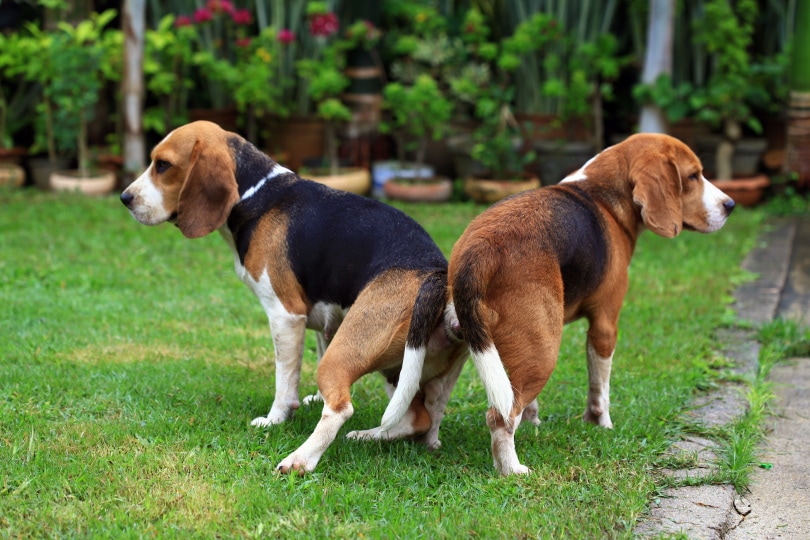
As a dog lover, you may have found yourself in the awkward situation of witnessing your beloved canine companion "tied up" with a mate. This phenomenon, known as the copulatory tie, is a completely normal part of the dog breeding process. But why exactly do dogs get stuck together, and what should you do if it happens to your pooch?
The Evolutionary Origins of the Tie
The copulatory tie is not unique to domestic dogs – it also occurs in other members of the Canidae family, such as wolves, foxes, and jackals. This suggests the tie serves an important evolutionary purpose.
Leading researchers believe the tie first emerged in ancient wolf populations as a way to increase the chances of successful fertilization. Since wolves typically live in packs with a dominant breeding pair, the tie may have helped ensure the male‘s sperm had a chance to reach the female‘s eggs before another male could mate with her.
This theory is supported by the fact that the tie keeps the male and female genital tracts in close proximity for an extended period, which allows for the maximum transfer of sperm. A 2019 study published in the journal Theriogenology found that the tie lasted an average of 15 minutes across various breeds, with some ties lasting up to 45 minutes. The researchers also found that larger breeds tended to have longer ties than smaller breeds.
Anatomical Mechanisms of the Tie
So what exactly is happening during the copulatory tie? It all comes down to a unique feature of the male dog‘s anatomy called the bulbus glandis.
"The bulbus glandis is an area of erectile tissue at the base of the penis that swells up significantly during intercourse, effectively locking the male inside the female," explains Dr. Karen Shaw, a board-certified theriogenologist at the University of Florida College of Veterinary Medicine.
The mating process begins when a male dog mounts a female in heat and inserts his penis into her vagina. Thrusting causes the bulbus glandis to rapidly fill with blood, nearly doubling the diameter of the penis. At the same time, the female‘s strong vaginal muscles clamp down around the swollen bulb, completing the tie.
Once the tie is achieved, the male will often swing his leg over the female so the two dogs are positioned rear-to-rear. This seemingly awkward configuration is thought to be more comfortable for the dogs and may reduce the risk of injury.
It‘s crucial for owners to understand that attempting to forcibly separate dogs during a tie can result in severe damage to the genitals. The dogs should be kept calm and quiet until the swelling subsides naturally and they are able to disengage on their own.
The Phases of Ejaculation
Many people are surprised to learn that the male dog‘s ejaculate occurs in three distinct fractions. Each plays a specific role in the mating process:
-
The pre-sperm fraction: This clear fluid is released as the male begins thrusting and helps lubricate the vaginal canal. It does not actually contain any sperm.
-
The sperm-rich fraction: Released once the tie is achieved, this fraction contains the highest concentration of sperm cells and is milky in appearance. An average ejaculate contains 300 million to 2 billion sperm!
-
The prostatic fraction: After the sperm-rich fluid, the male releases a clear liquid produced by the prostate gland. This fluid helps push the sperm towards the female‘s cervix and into the uterus.
While the tie may look like a continuous mating process to human observers, the ejaculate fractions are released sequentially over the course of the tie. This allows for the maximum delivery of sperm to the female‘s reproductive tract.
Does a Tie Guarantee Pregnancy?
A common misconception is that a copulatory tie automatically results in pregnancy. However, conception is never a sure thing, even with a tie. A single mating will result in pregnancy about 40% of the time, according to a 2020 study in the journal Animals.
These relatively low odds are part of the reason the copulatory tie is so important – it helps increase the chances of fertilization by holding the sperm against the cervix, the gateway to the uterus where conception takes place.
Of course, the female must also be at the right stage of her estrus cycle for pregnancy to occur. Female dogs typically cycle into heat every 6-8 months, with the most fertile period being 9-14 days after the start of proestrus (when bloody vaginal discharge and swelling of the vulva first appear).
Preventing Pregnancy After Mating
If your unspayed female dog accidentally ties with a male, don‘t panic. Pregnancy can often be prevented with an injection of mismating medication, as long as it is administered by a veterinarian within 24-48 hours of the tie.
However, this medication is not 100% effective and can cause unpleasant side effects like vomiting and diarrhea. It should not be relied upon as a regular form of birth control.
The only guaranteed way to prevent pregnancy is to have your female dog spayed – a surgical procedure that removes the ovaries and uterus. This not only eliminates the risk of unwanted litters, but also protects your dog from serious health problems like pyometra (a life-threatening uterine infection) and mammary cancer.
Male dogs can be neutered to prevent them from siring puppies. Neutering also curbs undesirable hormone-driven behaviors like roaming, urine marking, and aggression. It‘s a myth that spaying or neutering will change your dog‘s personality – in fact, it often leads to a calmer, more affectionate pet!
The Importance of Spaying and Neutering
Every year, millions of healthy dogs are euthanized in overcrowded shelters across the United States simply because there are not enough homes for them all. Spaying and neutering is the most effective way to reduce this tragic overpopulation problem.
According to the ASPCA, approximately 920,000 shelter dogs were euthanized in 2019 alone. While this number has declined significantly in recent decades thanks to successful spay/neuter initiatives, there is still much work to be done.
As a responsible dog owner, it‘s crucial to do your part by having your pets sterilized. Not only will you prevent unplanned litters that could end up homeless, but you‘ll also give your dog the gift of a longer, healthier life.
On average, spayed females live 26% longer than unspayed females, while neutered males live 18% longer than unneutered males. This is largely because spaying and neutering protect against deadly cancers and other diseases of the reproductive system.
When Breeding is Appropriate
There are certainly situations where allowing dogs to reproduce is appropriate and even beneficial. Responsible breeders play a vital role in preserving and improving dog breeds, and they take great care to ensure their breeding stock is healthy, genetically sound, and has excellent temperaments.
However, breeding should only be undertaken by experienced individuals who are committed to the lifelong wellbeing of the puppies they produce. Responsible breeders perform extensive health testing on their breeding dogs to screen for inherited disorders. They often seek titles or certifications in conformation, obedience, agility, or other dog sports to prove their dogs are excellent representations of their breeds.
Responsible breeders also have a thorough screening process for potential homes and will take back any dog they have bred at any point in its life if the owner can no longer keep it. This ensures that none of their dogs will ever end up in a shelter.
If you are considering breeding your dog, it‘s essential to educate yourself about best practices and be prepared for the significant financial and time investment involved. Consult with your veterinarian and experienced breeders to determine if your dog is an appropriate candidate for breeding.
When to Seek Veterinary Care
While the copulatory tie is a normal part of mating, there are some situations where veterinary intervention may be necessary. If you notice any of these signs during or after a mating, contact your vet right away:
- The tie lasts longer than 45 minutes
- The dogs seem distressed or in pain during the tie
- There is bleeding from the vulva or penis
- The male dog is unable to dismount after the tie
- The female dog is straining or crying after the tie
Your veterinarian can advise you on the best course of action and provide any necessary treatment to ensure your dog‘s reproductive health and safety. They can also discuss options for sterilization or responsible breeding if you are unsure which path is right for you and your dog.
A Final Word
The miracle of life is a beautiful thing, but it comes with great responsibility. As a dog owner, it‘s up to you to make informed decisions about your pet‘s reproductive health.
By understanding the biological mechanisms behind the copulatory tie, you can keep your dog safe and comfortable if you ever find them in this intimate situation. More importantly, you can take proactive steps to prevent unplanned pregnancies by having your pets spayed or neutered, or by carefully planning breedings if you are a responsible breeder.
At the end of the day, our dogs rely on us to make choices that prioritize their health and happiness. By being educated and proactive about their reproductive needs, we can ensure our cherished companions live the longest, fullest lives possible by our sides.