Why Are My Dog‘s Pupils So Big? A Vet‘s Guide to Dilated Pupils in Dogs

As a veterinarian and lifelong dog lover, I know how captivating and communicative our canine companions‘ eyes can be. When I look into my own dog‘s eyes, I see a depth of emotion, understanding, and connection that never fails to amaze me. So when a dog‘s normally bright and expressive eyes suddenly appear dark and dilated, it‘s understandable for any observant owner to wonder, "Why are my dog‘s pupils so big?"
Paying close attention to your pup‘s eyes and pupils is an important part of monitoring their overall health and well-being. In this comprehensive guide, we‘ll take an in-depth look at the various reasons why a dog‘s pupils may appear dilated, or larger than normal. Some causes are completely benign, while others can indicate a more serious underlying health issue that requires prompt veterinary care.
By the end of this article, you‘ll have a better understanding of your dog‘s eye anatomy, what pupil changes to look out for, and how to help keep those adoring eyes healthy for years to come. As a bonus, you‘ll also gain some fun facts to share at your next puppy playdate!
Pupil Dilation in Dogs: What‘s Normal?
First, let‘s define what pupil dilation actually means. The pupil is the black circular opening in the center of the eye that allows light to pass through to the retina, the light-sensing tissue at the back of the eye. The size of the pupil is controlled by the iris, the colored muscular ring that surrounds it.
The iris contains two types of muscle fibers: circular sphincter muscles that constrict the pupil to make it smaller in bright light, and radial dilator muscles that open the pupil wider in dim light or darkness. This pupillary light reflex allows the right amount of light to enter the eye for optimal vision in different conditions.

In a normal, healthy dog eye, you can expect to see pupils that are:
- Equal in size between the left and right eyes
- Symmetrically circular
- Responsive to light, constricting quickly in bright conditions
- Dilated in dim lighting or darkness
- Free of any cloudiness, discharge, or discoloration
A dog‘s pupils may appear very large and dark when the lights are low, especially for pups with naturally dark irises. "It‘s common for owners to worry when they suddenly notice their dog‘s pupils looking huge at night," says veterinary ophthalmologist Dr. Katie Jones. "But in most cases, that dramatic dilation is just a normal response to the dark."
Causes for Concern: When Are Dilated Pupils a Problem?
However, if you notice your dog‘s pupils look dilated even in normal daylight or bright conditions, there could be something else going on. Here are some of the most common reasons a dog‘s pupils may appear consistently enlarged:
1. Medications and Toxins
Certain medications can cause pupil dilation in dogs as a side effect, including:
- Antihistamines
- Motion sickness drugs
- Pain relievers
- Sedatives
- Eye drops used to treat glaucoma
These effects are usually temporary and should subside as the medication wears off. However, it‘s important never to give your dog any medication, even over-the-counter "human" meds, without consulting your vet first. Many substances that are safe for people can be toxic to dogs.
Pupil dilation can also be a sign that your dog ingested something poisonous. Numerous plants, chemicals, foods, and drugs that are harmless to humans can be dangerous or even deadly for our furry friends. Some of the most common toxins that can cause dilated pupils in dogs include:
- Marijuana
- Caffeine
- Chocolate
- Wild mushrooms
- Antifreeze
- Acetaminophen
- Xylitol artificial sweetener
- Some essential oils
- Nicotine
- Amphetamines

According to the ASPCA Animal Poison Control Center, they handled over 232,000 pet toxicity cases in 2021 alone. If you have any reason to suspect your dog may have gotten into something poisonous, with or without dilated pupils as a sign, seek emergency veterinary care immediately. Every second counts!
2. Eye Injuries and Diseases
Wide pupils can sometimes indicate an injury or disease of the eye itself. Conditions that may cause one or both pupils to appear abnormally large include:
- Glaucoma: increased pressure inside the eye due to poor fluid drainage
- Uveitis: inflammation of the eye‘s middle layer (uvea)
- Retinal diseases: deterioration of the retina, the light-sensing area at the back of the eye
- Corneal ulcers: open sores on the clear outer layer of the eye
- Cataracts: clouding of the lens inside the eye
- Lens luxation: displacement of the lens from its normal position
Other signs of eye trouble to watch for include:
- Redness
- Cloudiness
- Discharge
- Squinting or holding the eye closed
- Pawing at the face
- Vision loss
- Change in pupil shape or symmetry
An estimated 40% of blind dogs lose their vision due to cataracts, which can develop rapidly between the ages of 6-10 years old in predisposed breeds. If you notice dilated pupils along with any of these other symptoms, schedule an appointment with your vet right away for a thorough eye exam. Many eye diseases can progress quickly, so prompt diagnosis and treatment is crucial to preserving your pup‘s precious eyesight.

3. Neurological Problems
In some cases, persistently dilated pupils can be a sign of an issue with the brain or nervous system rather than the eyes themselves. The nerves that control pupil size and reactivity can be affected by neurological conditions such as:
- Brain tumors
- Strokes
- Head trauma
- Infections (e.g. meningitis)
- Spinal cord injuries
- Seizures
- Idiopathic vestibular disease
Brain tumors are a frightening prospect, but the prognosis is better when caught early. A 2018 review found the median survival time for dogs with meningioma brain tumors was over 2 years with surgical treatment.
With neurological problems, you may notice other concerning symptoms like disorientation, loss of balance, weakness, behavior changes, circling, tremors, or loss of consciousness. If you see any of these signs, consider it a "code red" and get your dog to the nearest animal hospital immediately for emergency evaluation and care.
4. Iris Atrophy
Iris atrophy is a progressive condition that naturally occurs in many older dogs. It happens when the muscles of the iris gradually weaken and thin over time, making the pupil opening appear larger, even in bright light.
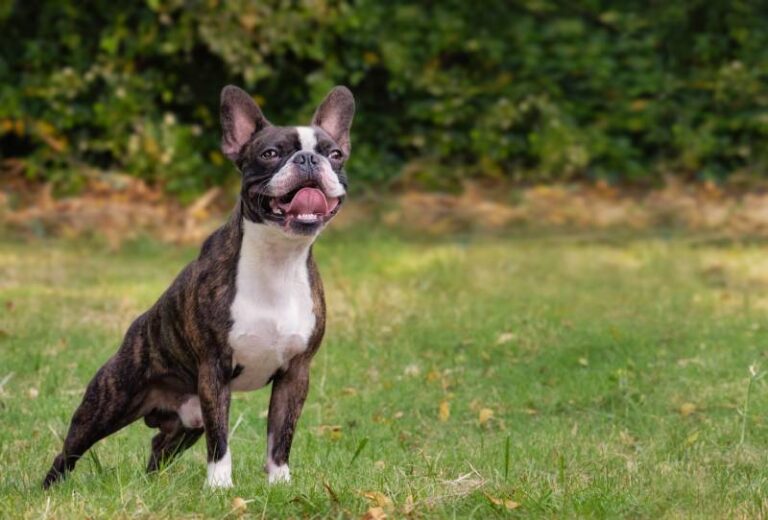
"Iris atrophy is generally considered a normal aging change, especially in certain breeds like Boston Terriers, Chihuahuas, and Miniature Poodles," notes Dr. Jones. "While the bigger pupils might make the eyes more sensitive to sunlight, the condition doesn‘t typically cause pain or vision loss."
Still, if you notice your senior dog‘s pupils looking more dilated than usual, let your vet know. They can examine the eyes to rule out any concurrent diseases or problems that may need treatment.
Protecting Your Dog‘s Eye Health
To wrap up, here are some veterinarian-approved tips for preventing eye problems and keeping your canine companion‘s vision as healthy as possible:
-
Schedule regular check-ups. Adult dogs should see the vet at least annually for a nose-to-tail wellness exam, including a thorough eye check. Seniors or dogs with diagnosed eye issues may need more frequent monitoring.
-
Keep the fur trimmed. If your dog has long facial fur, keep it trimmed or tied up around the eyes to prevent irritation and increase visibility. You can carefully trim the hair yourself with rounded scissors or see a professional groomer.
-
Clear away discharge. Use a soft, damp cloth to gently wipe any crusty discharge from around your dog‘s eyes each day. Always wipe from the inner corner outward, and use a fresh part of the cloth for each eye to avoid spreading any infection.
-
Provide sun protection. Dogs with light-colored or dilated pupils may be more sensitive to bright sunlight. Consider applying a dog-safe sunscreen or moisturizer around the eyes before spending time outdoors, and provide plenty of shade.
-
Dog-proof your home. Prevent eye injuries by keeping your home and yard free of hazards like sharp edges, loose wires, and toxic chemicals. Use baby gates to block off unsafe areas, and always supervise your dog during play or exploration.
-
Act fast. See your vet right away if you notice any abnormal eye symptoms like squinting, redness, cloudiness, or discharge. Delaying care for eye problems can lead to permanent vision loss, so when in doubt, get it checked out!
With knowledge, prevention, and a watchful eye of your own, you have the power to keep your dog‘s eyes healthy and bright for a lifetime. After all, what dog lover doesn‘t want to preserve those adoring, soulful gazes for as long as possible?
As Dr. Jones puts it, "Our dogs may not be able to tell us in words when something is wrong, but they can speak volumes with their eyes. By understanding what‘s normal and what‘s not, we can be better advocates for their health and happiness in every stage of life."
So the next time you find yourself captivated by your dog‘s loving gaze, take a moment to really look into those eyes. You just might see the world in a whole new light.
Sources
-
American College of Veterinary Ophthalmologists. "Dilated Pupils in Dogs." https://www.acvo.org/common-eye-conditions/dilated-pupils-in-dogs/
-
ASPCA Animal Poison Control Center. "Top 10 Toxins of 2021." https://www.aspca.org/news/announcing-top-pet-toxins-2021
-
Hayes G. "Canine Meningioma: Meningioma Incidence, Risk Factors, Clinical Signs, Diagnostic Imaging, Histopathology, and Treatment." Veterinary Sciences. 2021;8(12):329. https://doi.org/10.3390/vetsci8120329
-
Lin CT. "Cataracts in Dogs: Everything You Need to Know." American Kennel Club. https://www.akc.org/expert-advice/health/cataracts-in-dogs/
-
Ward E. "11 Common Eye Problems in Dogs." VCA Animal Hospitals. https://vcahospitals.com/know-your-pet/eye-problems-in-dogs