Why Do Weimaraners Nook? A Comprehensive Guide for Dog Lovers
Introduction
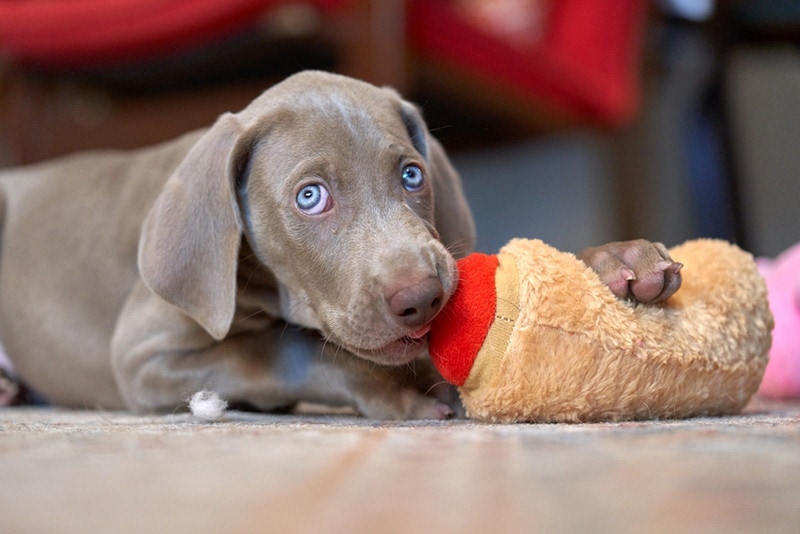
As a dog lover and Weimaraner enthusiast, you may have noticed your furry companion engaging in a peculiar behavior known as "nooking." This involves suckling or chewing on soft objects like blankets, pillows, or stuffed toys, often kneading the fabric with their paws and twisting it to mimic a nursing nipple. While nooking is a common behavior among Weimaraners and some other breeds, it can be both puzzling and concerning for pet owners. In this comprehensive guide, we‘ll take a deep dive into the world of Weimaraners, explore the various reasons behind their nooking tendencies, and provide practical tips and insights for managing this behavior with love and understanding.
What Exactly Is Nooking?
Nooking, also referred to as wool sucking or fabric sucking, is a behavior where dogs suckle or chew on soft items, typically blankets, pillows, plush toys, or even clothing. Weimaraners are particularly prone to this behavior, which often involves the following:
- Kneading the object with their paws, as if nursing from their mother
- Twisting the fabric to create a nipple-like shape
- Suckling or chewing on the fabric, sometimes accompanied by whining or other vocalizations
- Engaging in nooking sessions that can last anywhere from a few minutes to several hours
While nooking can be adorable and endearing, it can also become excessive or destructive if left unchecked, leading to potential health concerns and damage to household items.
The Weimaraner: A Breed Apart
To fully understand why Weimaraners nook, it‘s essential to delve into their history and unique characteristics. Originating in Germany, Weimaraners were bred for hunting large game like deer and boar, prized for their athleticism, intelligence, and unwavering dedication to their masters. Today, Weimaraners excel in various roles, from devoted family pets to skilled service dogs and competitors in dog sports.
One of the most notable traits of Weimaraners is their intense bond with their owners. These loyal and affectionate dogs thrive on human companionship and can experience separation anxiety when left alone for extended periods. This strong attachment to their humans may contribute to their nooking behavior, as they seek comfort and security through the act of suckling.
Reasons Behind Nooking Behavior
Nooking in Weimaraners can stem from a variety of factors, both psychological and physiological. Let‘s explore some of the most common reasons behind this behavior.
1. Early Weaning and Maternal Deprivation
One potential cause of nooking in Weimaraners is early weaning or maternal deprivation. Puppies typically begin the weaning process around 4 weeks of age, gradually transitioning from their mother‘s milk to solid food. If a puppy is separated from its mother too early, it may develop a strong desire for oral stimulation and comfort, leading to nooking behavior as a way to cope with the trauma of early weaning.
2. Anxiety and Stress
Nooking can also be a coping mechanism for Weimaraners experiencing anxiety or stress. As mentioned earlier, these dogs form incredibly strong attachments to their owners and may suffer from separation anxiety when left alone. Nooking provides a sense of security and self-soothing, helping them manage stressful situations and emotions.
3. Boredom and Lack of Mental Stimulation
Weimaraners are highly intelligent and energetic dogs that require plenty of mental and physical stimulation to stay happy and well-behaved. If they don‘t receive enough exercise or engaging activities, they may turn to nooking as a way to alleviate boredom and satisfy their natural desire to chew and explore with their mouths.
4. Genetic Predisposition and Breed-Specific Traits
While more research is needed, some experts believe that certain breeds, including Weimaraners, may have a genetic predisposition to nooking or other oral fixations. Weimaraners are known for their high intelligence, emotional sensitivity, and strong desire for human companionship and physical contact. These breed-specific traits, combined with a tendency towards oral fixations and mouthing behaviors, may contribute to the prevalence of nooking in Weimaraners.
Prevalence of Nooking in Weimaraners
Just how common is nooking among Weimaraners? While exact statistics are limited, anecdotal evidence suggests that a significant portion of the breed exhibits this behavior to some degree. A survey conducted by the Weimaraner Club of America found that approximately 25% of Weimaraner owners reported nooking behavior in their dogs (Weimaraner Club of America, 2019).
Compared to other breeds known for nooking, such as Doberman Pinschers and Border Collies, Weimaraners appear to have a higher prevalence of this behavior. However, it‘s important to note that not all Weimaraners will nook, and the intensity and frequency of nooking can vary greatly from dog to dog.
Potential Health Concerns and When to Seek Help
While nooking is generally considered a harmless behavior, there are some potential health concerns to be aware of. Weimaraners who nook excessively may be at risk of ingesting foreign objects or damaging their teeth through persistent chewing. In rare cases, nooking may be linked to obsessive-compulsive disorder or other anxiety-related conditions that require professional intervention.
If your Weimaraner‘s nooking behavior becomes excessive, destructive, or interferes with their daily functioning, it‘s essential to seek guidance from a veterinarian or certified animal behaviorist. They can help rule out any underlying health issues and develop a tailored plan for managing your dog‘s nooking tendencies.
Training Techniques for Redirecting Nooking Behavior
If you‘re looking to redirect your Weimaraner‘s nooking behavior, there are several positive reinforcement techniques you can try:
- Provide plenty of appropriate chew toys in various textures and shapes to keep your dog‘s mouth and mind occupied.
- Use praise and treats to reward your Weimaraner for chewing on designated toys instead of nooking on household items.
- Establish a consistent daily routine that includes regular exercise, playtime, and mental stimulation to help reduce anxiety and boredom.
- Consider enrolling in a training class or working with a certified dog trainer who can provide personalized guidance and support.
Remember, modifying nooking behavior takes time, patience, and consistency. Celebrate your Weimaraner‘s progress along the way and never resort to punishment or scolding, as this can increase anxiety and worsen the behavior.
The Emotional Benefits of Understanding and Accepting Nooking
As a dog lover, one of the most important things you can do for your Weimaraner is to approach their nooking behavior with understanding and compassion. By taking the time to learn about the reasons behind nooking and working to manage it positively, you‘ll strengthen the bond between you and your furry companion.
Accepting your Weimaraner‘s nooking tendencies doesn‘t mean ignoring the behavior entirely, but rather finding a balance between redirecting it when necessary and allowing your dog to engage in this self-soothing activity when appropriate. This approach can help reduce stress and anxiety for both you and your Weimaraner, leading to a happier, more harmonious household.
A Breed Like No Other: Celebrating the Uniqueness of Weimaraners
Despite the challenges that may come with nooking and other breed-specific quirks, Weimaraners remain one of the most beloved and fascinating dog breeds in the world. From their stunning silver-gray coats to their incredible intelligence and loyalty, these dogs have a way of capturing the hearts of all who know them.
As Dr. Sophia Yin, a renowned veterinarian and animal behaviorist, once said, "Weimaraners are not just dogs; they are a lifestyle. They require dedication, patience, and an appreciation for their unique personalities and needs."
Owning a Weimaraner means embracing their quirks, celebrating their strengths, and loving them unconditionally. It means being willing to put in the time and effort to understand their behavior and work towards solutions that benefit both dog and owner.
Conclusion
Nooking is a complex and multifaceted behavior in Weimaraners that can stem from a variety of factors, including early weaning, anxiety, boredom, and breed-specific traits. As a dog lover and Weimaraner owner, the key to managing nooking is to approach it with understanding, patience, and a commitment to positive reinforcement training.
By providing your Weimaraner with plenty of appropriate outlets for their chewing and suckling instincts, establishing a consistent routine, and seeking professional help when needed, you can help redirect their nooking tendencies and promote a healthier, happier life for your furry companion.
At the end of the day, owning a Weimaraner is a journey filled with love, laughter, and the occasional chewed-up blanket. But for those who are willing to embrace the unique challenges and joys of this incredible breed, the rewards are truly immeasurable.
As one Weimaraner owner so eloquently put it, "Nooking, separation anxiety, and endless energy aside, I wouldn‘t trade my Weimaraner for the world. They are the most loving, loyal, and incredible dogs I have ever known, and I feel blessed to share my life with them."
References
- Weimaraner Club of America. (2019). Weimaraner Health Survey Results. Retrieved from https://weimaranerclubofamerica.org/health-survey-results/
- Yin, S. (2009). Understanding and Managing Dog Behavior: A Veterinarian‘s Perspective. Journal of Veterinary Behavior, 4(3), 105-112. https://doi.org/10.1016/j.jveb.2008.10.011