The Ultimate Guide to Yellow Labradoodles: A Dog Lover‘s Perspective

As a lifelong dog lover and veterinarian, I‘ve met my fair share of delightful Doodles over the years. But time and time again, there‘s one variety that never fails to steal my heart: the yellow Labradoodle. With their sunny dispositions, charming good looks, and endlessly amusing antics, these fluffy golden pups have a special way of brightening up any room they bounce into.
But what exactly makes yellow Labradoodles so irresistible? How did this fun-loving hybrid breed come to be? And most importantly – is a yellow Labradoodle the right fit for your lifestyle and family? As someone who‘s spent countless hours researching, interacting with, and falling head over heels for these mellow yellow fellows, I‘m here to give you the inside scoop.
Labradoodle History 101
First, let‘s start with a quick history lesson on Labradoodles. While it may seem like these trendy pups popped up out of nowhere, the Labradoodle story actually began back in 1989 in Australia. Wally Conron, a breeding manager with the Royal Guide Dogs Association of Australia, was tasked with a unique challenge: creating a guide dog for a visually impaired woman in Hawaii whose husband was allergic to dog hair.
Conron‘s solution? Crossing a Labrador Retriever (known for their friendly, trainable nature) with a Standard Poodle (known for their low-shedding, hypoallergenic coats). The result was a litter of smart, even-tempered puppies with coats less likely to trigger allergies. Conron coined the term "Labradoodle" to describe these Lab-Poodle mixes, and the rest is history!

Credit: Australian Labradoodle Association
Word of these wonderful hybrid dogs spread quickly, and soon other breeders began intentionally crossing Labs and Poodles to meet the booming demand for these so-called "designer dogs." The Labradoodle‘s popularity exploded in the 1990s, spreading from Australia to North America and beyond.
Different breeds were introduced into the mix, like the Irish Water Spaniel and American and English Cocker Spaniels, in an attempt to bring more genetic diversity and refine the Labradoodle breed standard. The first multigenerational Australian Labradoodle (bred from two Labradoodle parents) was born in 1997.
Today, the Labradoodle is widely recognized as its own distinct breed, separate from a first-generation Lab/Poodle cross. However, it‘s important to note that Labradoodles are still not officially recognized by major kennel clubs like the American Kennel Club, as their breed standards and traits can vary quite a bit depending on their ancestry.
How Do Yellow Labs Measure Up?
So what sets yellow Labradoodles apart from their chocolate and black counterparts? Genetically, a yellow Labradoodle must have at least one yellow Labrador Retriever parent to inherit a yellow coat. If both Lab and Poodle parents have dominant black coat genes, their offspring will sport black fur, while a chocolate coat requires one or both parents to carry the recessive chocolate gene.
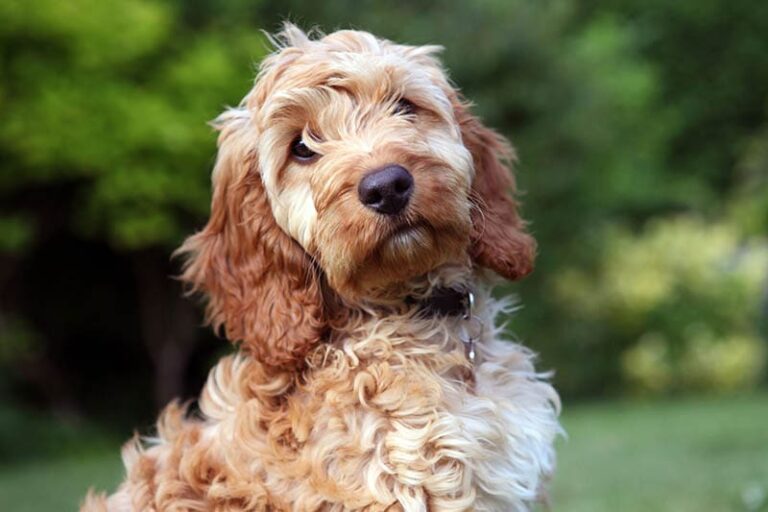
That warm golden coat is certainly eye-catching, but yellow Labradoodles‘ appearance can still vary quite a bit. Some sport apricot-colored fur, some have creamy white coats, and others are a rich honey blonde. Yellow Labradoodle coats may lighten or darken as they age from puppyhood to adulthood.
Coat texture is another source of variation. Labradoodles can have either hair coats (straighter and more Labrador-like), fleece coats (soft and wavy), or wool coats (dense and curly). Fleece and wool coats tend to be lower shedding and higher maintenance in terms of grooming.

Credit: Australian Labradoodle Association
Beyond coat color and type, yellow Labradoodles‘ size and proportions depend on their Poodle ancestry. Here‘s a quick breakdown of the different Labradoodle size categories:
| Size | Height (in) | Weight (lbs) |
|---|---|---|
| Miniature | 14-16 | 15-25 |
| Medium | 17-20 | 30-45 |
| Standard | 21-24 | 50-65 |
Of course, these ranges are just averages – some Labradoodle lines bred for therapy or service work may be on the larger side. Males also tend to be bigger than females. But in general, yellow Labradoodles‘ small-to-medium stature makes them adaptable to many different living situations, from apartments to sprawling countryside acres.
Personality Plus
For many pup parents, the Labradoodle‘s winning personality is even more appealing than their cute, fluffy appearance. Most yellow Labradoodles are friendly, intelligent, affectionate, and full of fun. They‘re typically very people-oriented and eager to please, bonding closely with their owners.
As Dr. Jennie Willis, a veterinary behaviorist, explains: "Labradoodles are generally very smart, very sociable, and very trainable. They often have the goofy, happy Lab personality with the added bonus of the Poodle‘s quick learning skills and low-shedding coat. They tend to be playful and energetic, especially as puppies and young adults, so they do best with active owners."
This lively, loving nature makes Labradoodles excellent family dogs. They usually adore children and are gentle with people of all ages when properly socialized. Yellow Labradoodles can also get along great with other dogs and even cats if raised together.
That being said, Labradoodles‘ rambunctious play style and exuberance might be a bit overwhelming for very young kids or fragile elderly people. As with any dog, supervise interactions and teach both ends of the leash how to interact safely and positively.
The other big thing to know about yellow Labradoodles is that they need a lot of exercise and mental stimulation to thrive. This is a bright, active breed – if left alone or bored for long periods, they may develop problem behaviors like chewing, digging, or excessive barking. Labradoodles do best with owners who can give them at least an hour of physical activity per day via walks, jogs, hiking, swimming, or romping at the dog park.
Many Labradoodles also excel at dog sports like:
- Agility
- Obedience
- Dock diving
- Flyball
- Nose work
- Tracking
Their work ethic and desire to please also make this breed well-suited for jobs like service dog work, therapy visits, search and rescue, and more.
Health and Lifespan
Like any dog breed, yellow Labradoodles can be prone to certain genetic health conditions. These may include joint issues like hip or elbow dysplasia, eye problems like progressive retinal atrophy, blood disorders like von Willebrand disease, and endocrine diseases like hypothyroidism or Addison‘s disease.
To maximize the odds of bringing home a healthy puppy, choose a responsible breeder who conducts thorough health testing on their breeding dogs. Recommended health clearances for Labradoodles include:
- Hip dysplasia: Orthopedic Foundation for Animals (OFA) or Penn-HIP evaluation
- Elbow dysplasia: OFA evaluation
- Eye exams: Genetic testing or eye certification from the Canine Eye Registration Foundation
- von Willebrand‘s disease: DNA test
- Hypothyroidism and Addison‘s disease: Screening blood test
The Labradoodle‘s average lifespan is around 12 to 16 years. Keeping your pup at a healthy weight, feeding a high-quality diet, scheduling regular vet check-ups, and providing ample opportunities for exercise and mental stimulation can all help prolong their healthy years.
Grooming a Golden Dood
One of the Labradoodle‘s big selling points is their reputation as a low-shedding, hypoallergenic dog. While it‘s true that many Labradoodles shed less than the average dog, no dog is truly 100% hypoallergenic – all dogs produce some dander and allergy-triggering proteins in their saliva and urine.
The degree of shedding and grooming required depends mainly on your Labradoodle‘s individual coat type. According to the Goldendoodle Association of North America, the spectrum of Labradoodle coat types includes:
| Coat Type | Shedding | Grooming Needs |
|---|---|---|
| Hair coat | Moderate to high | Brushing 1-2x per week, occasional baths |
| Fleece coat | Low to moderate | Brushing 2-3x per week, baths every 1-2 months, clipping every 8-12 weeks |
| Wool coat | Very low | Brushing 3-4x per week or more, baths every 1-2 months, clipping every 8-12 weeks |

Credit: Goldendoodle Association of North America
In general, the curlier and denser the coat, the more brushing required to prevent mats and tangles. Many Labradoodle owners take their pup to a professional groomer every 1-2 months for a bath, haircut, nail trim, ear cleaning, and anal gland expression.
Becoming a Yellow Labradoodle Parent
So you‘ve weighed the pros and cons and decided a yellow Labradoodle is the dog of your dreams. Congratulations! Now how do you go about finding one?
You essentially have two options: Buy a puppy from a breeder or adopt an older dog from a rescue organization. Adopting certainly has its advantages: lower cost, avoiding puppy training headaches, and helping a dog in need. However, responsible breeders offer benefits like health tested parents, early socialization, and a known puppy pedigree.
Whichever route you choose, do your research to avoid falling prey to Labradoodle puppy mills or other unethical breeding practices. Warning signs include:
- No health testing or papers provided for parents
- Breeder won‘t let you visit their facility or meet the parents
- Puppies are sold before 8 weeks of age
- Breeder always has puppies available and doesn‘t ask you questions to ensure a good fit
- Unusually low prices that seem too good to be true
Instead, look for Labradoodle breeders who follow the Goldendoodle Association of North America‘s Code of Ethics or a similar set of guidelines. Ethical breeders perform health testing, provide a health guarantee, socialize their pups, and ensure puppies are well-matched with their forever homes.
If you‘re interested in adopting an older yellow Lab, check out rescue organizations focused on Labradoodles and Poodle mixes like Doodle Dandy Rescue, Doodle Rescue Collective, and Poo-Mix Rescue. Let them know you‘re looking for a mellow yellow fellow and complete their application process for the best odds of a successful match.
Final Thoughts
Labradoodles have captured the hearts of dog lovers worldwide for good reason. Playful, smart, loving, and oh-so-huggable, yellow Labradoodles can make absolutely delightful companions for active individuals and families. Their versatility, trainability, and irresistibly sweet expressions are just icing on the cake!
Of course, no breed is one-size-fits-all. Yellow Labradoodles‘ grooming needs, exercise requirements, and occasionally noisy nature aren‘t the right fit for everyone. Their rising popularity has also led to some questionable breeding practices, so sniffing out a responsible breeder is a must.
As with any major decision, adding a yellow Labradoodle to your pack shouldn‘t be taken lightly. Consider your lifestyle, budget, and future plans carefully. If you have the time, energy, and resources to devote to a bouncy, bright-eyed bundle of golden fluff, a yellow Labradoodle might just be your dream dog. With proper training, socialization, and care, your lemon-drop Dood will be a loyal, loving partner in fun for many years to come.