
10 Working Dog Breeds (With Pictures)
Working Dogs: Meet 20 Purposefully Powerful Breeds
Introduction
For centuries, humans have relied on the strength, intelligence, and loyal spirit of dogs to help us work and survive. From ancient times to the modern age, working dog breeds have played vital roles in herding livestock, guarding homes, going to war, and serving people with disabilities. These remarkable canines are more than just pets – they are purpose-bred working partners.
While dog breeds are often grouped based on lineage or appearance, working breeds share key traits that enable them to excel in demanding jobs that require stamina, smarts and specialized skills. Genetically wired to work alongside humans, these powerful pups have the physical prowess and mental aptitude to take on challenges from sniffing out bombs to pulling sleds across frozen tundra.
In this comprehensive guide, we‘ll introduce you to 20 of the most popular and capable working dog breeds from around the world. Learn what makes each of these breeds uniquely suited to their traditional and modern roles, from police K-9s to therapy dogs. We‘ll also explore what it takes to properly train and care for a working breed.
Whether you are a prospective owner interested in adding a high-energy working dog to your family or simply curious about these fascinating breeds, read on to discover the world of working dogs.
The Top 20 Working Dog Breeds
- German Shepherd
- Labrador Retriever
- Belgian Malinois
- Bloodhound
- Rottweiler
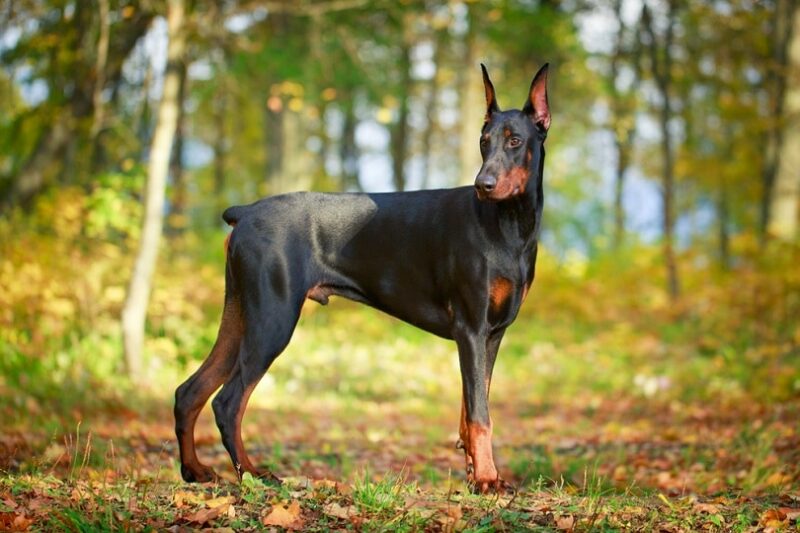
- Doberman Pinscher
- Boxer
- Great Dane
- Akita
- Siberian Husky
- Alaskan Malamute
- Bernese Mountain Dog
- Greater Swiss Mountain Dog
- Mastiff
- Newfoundland
- Portuguese Water Dog
- Samoyed
- Standard Schnauzer
- Giant Schnauzer
- Cane Corso
Breed Profiles
For each of the 20 featured breeds, we‘ll provide detailed information including:
Physical Characteristics: Learn about the breed‘s size, weight, coat type, color and conformation. Understand what physical traits make the breed well-suited to various types of work.
Temperament: Explore the breed‘s personality, trainability, and the specific behavioral traits that are an asset in working roles, from biddability to protective instincts. Understand potential challenges like high prey drive or reactivity.
Health: Be aware of genetic health issues more common in each breed, as well as general health concerns for large and giant breeds. Learn about recommended health testing and average lifespans.
Grooming: Get advice on coat care, shedding, and grooming requirements to keep each breed looking and feeling their best. From low-shedding Poodles to double-coated Huskies, understand the maintenance each coat type needs.
Exercise Needs: As high-energy, athletic dogs, working breeds have substantial exercise requirements to stay physically and mentally fit. Learn about the daily activity each breed requires and how to provide proper outlets like fetch, jogging, swimming, hiking and dog sports.
Training: Explore what it takes to successfully train these intelligent, strong-willed breeds, from puppy socialization to advanced obedience and job-specific training. Understand the importance of positive reinforcement and ongoing training throughout the dog‘s life.
Best Jobs: Discover the types of work each breed excels at based on their physical abilities, scenting prowess, trainability and temperament. From Search and Rescue German Shepherds to therapy Labradors, learn about traditional and modern jobs for each breed.
Family Life: Get guidance on the suitability of each working breed for family life, including compatibility with children and other pets. Understand the commitment and challenges involved in keeping a high-drive working dog mentally and physically satisfied in a pet home.
History and Fun Facts: Learn interesting breed backstories and recordholders. For example, did you know a Newfoundland named Seaman accompanied Lewis and Clark on their famous expedition? Or that an Akita named Hachiko waited faithfully at a Tokyo train station every day for 9 years after his owner‘s death?
Working Dog Training, Skills and Roles
Working dogs undergo intensive training to master the specialized skills needed for their jobs. In this section, we‘ll explore:
- The phases of training from puppy socialization to advanced job-specific skills
- How breeders select and prepare working puppies for careers
- The key skills working dogs learn, from scent discrimination to suspect apprehension
- The important role of the human handler in forming a successful working team
- Scent detection dogs in fields like arson, narcotics, explosives, SAR, and disease detection
- Service dogs who assist people with visual, hearing, mobility, seizure, diabetes and psychiatric disabilities
- Therapy dogs who provide comfort and support in settings like schools, nursing homes, disaster sites and courtrooms
- Conservation detection dogs who locate endangered species, invasive plants and wildlife contraband
- Military working dogs in roles like scouting, guard duty and bomb detection
In each of these fields, the powerful noses, athleticism, intelligence and trainability of purposefully-bred working dogs help humans in ways no technology can match. With their ability to screen hundreds of people in minutes, cover miles of challenging terrain, or detect tiny traces of disease, working dogs save lives every day.
Owning a Working Breed
As highly intelligent, physically impressive animals, working breeds can make incredible companions for the right owners. However, these dogs are not for everyone. Bred for generations to work tirelessly alongside humans, they are genetically programmed to put their paws to a purpose. Without proper training and outlets for their drive, working breeds can become destructive and difficult to manage.
In this section, we‘ll provide guidance for potential working breed owners, including:
- The importance of choosing a reputable breeder who prioritizes health and temperament
- How to prepare your home and lifestyle for a high-energy working pup
- Training and socialization essentials for a well-behaved working breed
- Providing sufficient mental stimulation and physical exercise for your working dog
- Spaying/neutering considerations for working breeds
If you are considering a working breed, it‘s important to meet dogs of your chosen breed in person to get a sense of their energy level and personality. Talk to owners about their experiences and attend events like breed specialties or IPO trials to see these dogs shine in their element.
Rescuing a working breed can be very rewarding, but requires patience and training savvy. Many working dogs are abandoned due to behavioral issues that stem from a lack of proper stimulation – but in the right home they can get a second chance to thrive. Look for breed rescue organizations that understand working temperaments and foster dogs in homes to help them transition.
Preserving Working Traits
As more working dogs are kept as companions rather than bred for historic working roles, some breeds are at risk of losing the traits that made them legendary. Breeding for the show ring or pet market without regard to working ability can dilute the characteristics that enable these dogs to excel at tasks like herding, guarding, sledding and scent detection.
Breed clubs and working dog organizations are taking steps to preserve the powerful builds, keen senses, high drive and mental acuity of these breeds through titling programs and breeding standards that emphasize working traits. From German Shepherd Schutzhund trials to Siberian Husky sledding races, these events showcase the amazing abilities of working breeds and help ensure future generations retain the temperaments to work as they were originally bred to do.
In Conclusion
From devoted Dobermans guarding our homes to valiant German Shepherds serving in the military, working dogs enrich and protect our lives in countless ways. Throughout history, we have relied on the strength, bravery, loyalty and intelligence of these remarkable breeds to help us work, hunt, travel and keep our families and communities safe.
Today, the powerful bodies and minds of working dogs are being harnessed for new roles that even their original breeders could never have imagined, from detecting cancer to conserving endangered species. As we find new ways to partner with canines, the future for working dogs looks bright.
Whether you are looking for a capable K-9 partner, an unflagging friend to run beside you, or simply a deeper appreciation for the amazing animals who work on our behalf, we hope this guide has given you a new respect for the courage, commitment and capability of working dog breeds. To learn more about these fascinating canines, check out the resources below.
Additional Resources
- American Kennel Club Working Group Breeds
- United Schutzhund Clubs of America
- International Working Dog Breeding Association
- American Working Dog Association
- Assistance Dogs International



)