The Jatzu: A Comprehensive Guide to the Shih Tzu Japanese Chin Mix
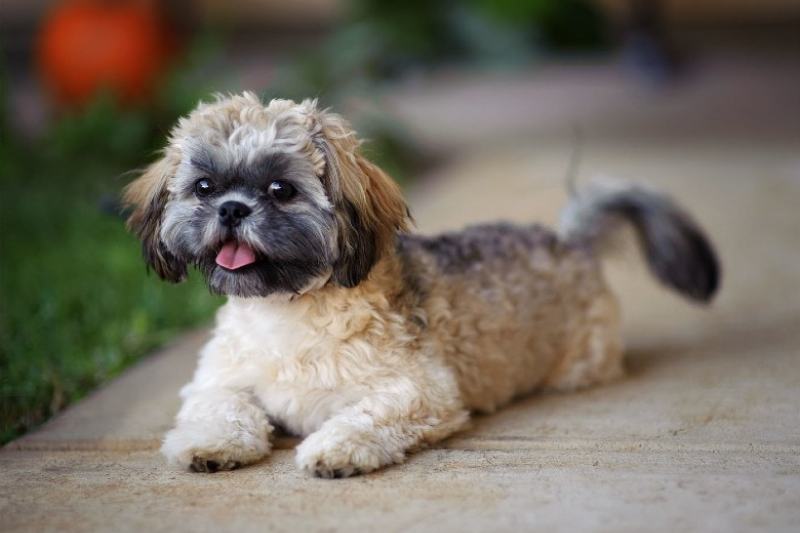
Are you looking for an affectionate, playful little companion to join your family? Look no further than the Jatzu—a designer cross between the Shih Tzu and Japanese Chin. This adorable hybrid combines the best qualities of both parent breeds into one irresistible package. But before you rush out to get a Jatzu of your own, it‘s important to learn everything you can about their history, traits, care needs, and health concerns.
As a veterinarian and lifelong dog lover, I‘ve compiled the most up-to-date, in-depth information on this unique mixed breed. Whether you‘re seriously considering a Jatzu or just curious to learn more, this guide will tell you everything you need to know.
Breed History and Development
The Jatzu is a relatively new designer dog breed, believed to have originated in the United States sometime in the 1990s or early 2000s. As a cross between the Shih Tzu and Japanese Chin, they were bred to combine the most desirable traits of each parent breed—the Shih Tzu‘s affectionate nature and the Chin‘s elegance and intelligence.
While the exact origins of the Jatzu are not well-documented, we can learn a lot from the history of its parent breeds:
-
The Shih Tzu is an ancient breed, tracing back to Tibet over 1,000 years ago. They were developed as companions for Chinese royalty and were so prized that for centuries, they could not be exported outside the country. It wasn‘t until the 1930s that the first Shih Tzus were brought to Europe and the breed spread to the Western world.
-
The Japanese Chin, despite its name, also originated in China. They were given as gifts to Japanese nobility as early as 732 A.D. Experts believe the modern Chin descends from the Pekingese and Pug brought to Japan by Buddhist monks. Over centuries of isolation on the island, the Chin developed into a distinct breed treasured by the Imperial court.
Crossing these two breeds with noble companions seemed a natural fit. Reputable breeders aim to produce a small, affectionate lap dog with the Shih Tzu‘s playfulness and the Chin‘s grace and sensitivity. However, as a mixed breed, Jatzu traits and appearance can vary significantly from one dog to the next.
The Jatzu goes by several other names, including Chin-Tzu, Jap-Tzu, and simply Shih Tzu/Japanese Chin Mix. While they have grown in popularity over the past few decades, they are still a relatively rare cross breed. The American Canine Hybrid Club, Designer Dogs Kennel Club, and more recognize the Jatzu but they are not eligible for registration with the American Kennel Club due to their hybrid status.
Physical Characteristics
The Jatzu is a small dog, typically weighing between 4 to 16 pounds and standing 8 to 11 inches tall at the shoulder. They have a sturdy, compact body but still maintain an elegant, refined appearance.
As a mix of two breeds, the Jatzu‘s appearance can vary quite a bit. They may inherit more Shih Tzu or Japanese Chin traits or be a more balanced combination of the two. In general, Jatzus have round, apple-shaped heads with short, flattened muzzles and large, expressive eyes. Their ears are floppy and low-set, framing their sweet faces.
One of the Jatzu‘s most striking features is their long, silky coat. They typically have a soft, straight, and dense outercoat and a wooly undercoat. Coat colors and markings can include:
- Solid black, white, brown, or silver
- Black and white
- Brown and white
- Silver and white
- Tri-color (black, white, and brown)
- Brindle (black or brown with streaks of lighter color)
- Parti-color (white with patches of color)
Jatzus may also have some feathering on their ears, legs, feet, and tail—a hallmark of their Chin heritage.
Jatzu Temperament and Personality
Jatzus are known for being affectionate, gentle, and closely bonded with their families. They are happiest when they are with their favorite humans, whether that means playing together or cuddling on the couch.
As social creatures, Jatzus typically get along well with children, other dogs, and even cats. They are not known for being aggressive but can be reserved or cautious around strangers without proper socialization.
Jatzus are intelligent and eager to please, which can make training easier than some other small breeds. However, they can also inherit a bit of the Shih Tzu‘s stubborn streak or the Chin‘s sensitivity. Patience, consistency, and lots of positive reinforcement are key to training a Jatzu.
The table below summarizes some key Jatzu traits compared to their parent breeds:
| Trait | Jatzu | Shih Tzu | Japanese Chin |
|---|---|---|---|
| Weight | 4-16 lbs | 9-16 lbs | 4-11 lbs |
| Height | 8-11 in | 8-11 in | 8-11 in |
| Coat Type | Long, silky, dense | Long, flowing, dense | Long, silky, soft |
| Shedding | Moderate | Minimal | Moderate |
| Temperament | Affectionate, playful, gentle | Affectionate, playful, outgoing | Sensitive, reserved, cat-like |
| Trainability | Moderate | Moderate | Moderate |
| Energy Level | Low to moderate | Low to moderate | Low |
| Good With Kids | Yes, gentle children | Yes | Yes, older children |
| Good With Dogs | Yes | Yes | Yes |
| Barking Level | Moderate | Moderate | Low |
While this gives you a general idea of Jatzu temperament and personality, remember that each individual dog is unique. Their ultimate adult traits will depend on a combination of training, socialization, and inherited genetics.
Exercise and Activity Level
Despite their small size, Jatzus still need regular exercise and mental stimulation to stay happy and healthy. They are not as high-energy as some breeds, but still enjoy daily walks, playtime, and outings with their owners.
Lori Bain, CPDT-KA and owner of Pup + People Training, recommends Jatzu owners aim for at least 30-60 minutes of exercise per day. "This can be broken up into multiple shorter sessions," she says. "A couple 15-20 minute walks and some indoor games or training is usually enough to meet their needs."
Because of their short noses and flat faces, Jatzus are prone to breathing difficulties and overheating. It‘s important to avoid overexertion, especially in hot or humid weather. Watch for signs of respiratory distress like coughing, snorting, or gasping and allow plenty of rest breaks.
Mental exercise is just as important as physical for the intelligent Jatzu. Food puzzles, interactive toys, hide-and-seek, trick training, and nose work are all great ways to engage their active minds.
Training Your Jatzu
The key to successfully training a Jatzu is understanding their unique personality and using positive, reward-based methods. Harsh corrections or punishment can make them shut down, so focus on making training a fun, upbeat experience.
"Jatzus are sensitive and can be a little stubborn sometimes," says Thomas Wilcox, CPDT-KSA and founder of Pupportunity dog training. "But they are also very intelligent and eager to please their people. Keep training sessions short and end on a high note before they lose interest."
Some important skills to teach your Jatzu include:
- Basic obedience (sit, down, stay, come, heel)
- Walking politely on a leash
- Crate training and housebreaking
- Greeting people and dogs calmly
- Not jumping on furniture or people
- Tricks and games to challenge their mind
You‘ll also want to expose your Jatzu puppy to a variety of people, animals, environments, and experiences in a positive way. This helps prevent fear and aggression as they grow up. Look for a puppy socialization class and make an effort to keep socializing your Jatzu throughout their life.
Like many small breeds, Jatzu can be challenging to housetrain. They have small bladders and may be resistant to going outside in bad weather. Work with your dog‘s natural instincts, using positive reinforcement and a consistent schedule. Crate training, frequent potty breaks, and rewarding success are key.
Grooming and Care
One of the most high-maintenance aspects of Jatzu ownership is keeping up with their long, silky coat. Daily brushing and regular trips to the groomer are a must to prevent painful mats and tangles.
"Jatzu coats require a lot of upkeep," explains Madison Roberts, a certified groomer at The Pawlor Pet Spa. "Ideally, you should brush them thoroughly every day with a pin brush or slicker brush. Pay special attention to friction areas like the belly, chest, legs, and behind the ears."
In addition to brushing, Jatzus need regular baths, nail trims, ear cleaning, and dental care. Many owners choose to keep their dog in a shorter puppy cut to make maintenance easier. Even then, expect to visit the groomer every 6-8 weeks for a bath and trim.
Other grooming tasks to keep up with include:
- Cleaning and drying face wrinkles to prevent skin fold infections
- Wiping eye gunk to avoid stains
- Brushing teeth regularly with a dog-safe toothpaste
- Inspecting ears and cleaning as needed to prevent infection
- Expressing anal glands if they become full
Consider your budget and lifestyle carefully before getting a Jatzu. Between supplies and professional services, their grooming costs can quickly add up. If you can‘t commit to daily brushing or regular groomer visits, this may not be the breed for you.
Health Concerns
Like all breeds, Jatzus can be prone to certain genetic health issues. Many of these stem from their brachycephalic (flat-faced) shape or small size.
According to Dr. Erica Irish, DVM and owner of Faithful Friends Veterinary Clinic, the most common health problems seen in Jatzus include:
- Brachycephalic airway syndrome (narrow nostrils, elongated soft palate, etc.)
- Dental crowding and early tooth loss
- Luxating patellas (slipping kneecaps)
- Eye issues like cherry eye, corneal ulcers, and dry eye
- Skin fold infections
- Allergies and skin sensitivities
- Legg-Calve-Perthes disease (hip joint disorder)
- Tracheal collapse
- Heart murmurs
"The best thing Jatzu owners can do is find a veterinarian experienced with the breed and keep up with preventive care," Dr. Irish advises. "Annual exams, keeping your dog lean, and getting early treatment can help catch issues before they become serious or expensive to treat."
When looking for a Jatzu breeder, ask about the health clearances and screenings they perform on their breeding dogs. Cardiac, patella, hip, and eye exams can help identify potential issues before they are passed to puppies.
Jatzu Lifespan
The average life expectancy for a Jatzu is 12 to 16 years. This is in line with the typical lifespans of their parent breeds:
- Shih Tzu: 10 to 18 years
- Japanese Chin: 10 to 12 years
Of course, many factors affect how long an individual dog will live. Genetics, diet, exercise, and preventive care can all make a big difference. Help your Jatzu live their best life by keeping them at a healthy weight, staying up-to-date on vet visits, and addressing any health concerns right away.
Finding a Jatzu
If you‘ve decided that a Jatzu is the right dog for you, it‘s important to find an ethical, responsible breeder. Avoid pet stores or online dealers, as they often source their puppies from puppy mills with little regard for health or temperament.
A reputable Jatzu breeder will:
- Specialize in only a few breeds and be very knowledgeable about them
- Conduct genetic health testing on their breeding dogs
- Allow you to visit their facility and meet the parents
- Ask you lots of questions and care where their puppies are going
- Provide a written contract and health guarantee
- Offer guidance and support even after you take your puppy home
Expect to pay anywhere from $500 to $2000 for a well-bred Jatzu puppy, depending on your location and the breeder. You may need to be put on a waiting list, as this is a relatively rare breed.
If you‘re open to adopting an adult Jatzu, check with breed-specific rescue groups and local animal shelters. Sometimes Jatzus end up needing new homes due to no fault of their own. Adopting can be a rewarding way to give a dog a second chance while skipping the puppy stage.
The Ideal Jatzu Owner
Jatzus can make wonderful companions for the right person or family. However, they are not the easiest breed to own and are not a good fit for everyone. The ideal Jatzu owner is:
- Home often and able to give their dog lots of attention
- Committed to their dog‘s training and socialization
- Physically able to handle a small dog gently
- Has the time and budget for daily grooming and regular vet care
- Prefers a lower-energy dog suited for apartment living
- Wants an affectionate, human-oriented lap dog
Jatzus can adapt to many different homes and lifestyles with proper care and training. They tend to do best with adults, older children, or a family with a stay-at-home member. A Jatzu is probably not right for you if:
- You work long hours and can‘t get home to your dog often
- You have very young children who may accidentally injure a small dog
- You don‘t have the time or patience for training and socialization
- You have limited funds for dog care expenses
- You prefer a very active, high-energy breed
- You want a guard dog or a very independent breed
Final Thoughts
If you‘re looking for a small, affectionate companion breed, the Jatzu may be your perfect match. These cute little dogs bond closely with their owners and love nothing more than being by your side. While they have moderate exercise needs, they still enjoy walks, playtime, and cuddles galore.
On the flip side, Jatzus require more care than some breeds—especially when it comes to grooming. Daily brushing and regular appointments are a must to keep their long, silky coats healthy.
Like other flat-faced breeds, Jatzus can also be prone to breathing issues and other health concerns. Be prepared to pay for quality food, regular vet care, and any special needs that may arise.
Ultimately, the key to successful Jatzu ownership is being realistic about the breed and honest about what you can provide. If you have the time, patience, and resources to devote to this special cross breed, you will be rewarded with a loyal, loving companion for years to come.