11 Dog Breeds That Can Be Left Alone: Vet-Verified Facts & Temperament

Your Guide to Dog Breeds That Can Be Left Alone
Leaving your furry best friend home alone can be heartbreaking. We all wish we could spend 24/7 with our dogs! But between work, errands, travel and other human-only activities, even the most devoted pet parent can‘t always be by their pup‘s side. While no dog should spend day after day isolated, some breeds are more independent than others and can better tolerate time on their own. If you‘re out of the house for long stretches and are looking for a canine companion, you may want to consider one of these more self-sufficient breeds.
What Makes Certain Breeds More Independent?
In general, dog breeds that are comfortable being left alone for reasonable periods tend to have a few key traits in common:
Lower energy levels – They don‘t have intense exercise needs and are content with a couple short walks per day and some playtime. They won‘t go stir-crazy if left to nap the day away.
More aloof demeanor – While they still crave affection and bond closely with their families, they aren‘t constantly craving human attention and are fine amusing themselves. They tend to be friendly with strangers but not overly so.
Independent nature – Bred to think for themselves, these dogs are confident being solo. Many originally served roles that required them to work autonomously like hunting, guarding, or herding.
Of course, every dog is an individual and even within the most independent breeds there will be some that are clingier than others. But in general, dogs of these breeds are more likely to tolerate being alone without suffering from distress or acting out.
Top 12 Dog Breeds That Can Be Left Alone
Now that you know what to look for in a self-reliant dog, let‘s meet some breeds that fit the bill! These pups still need plenty of love, care and companionship, but if you work long hours they may be a good match.
-
Greyhound
Don‘t let the world-class athlete reputation fool you – greyhounds are actually couch potatoes at heart. While they require a few vigorous spints a day to stay in shape, they‘re content to spend the rest of the day snoozing. Sweet and even-tempered, greyhounds do well in homes with children. They‘re very trainable and form close bonds with their humans, while still maintaining an independent spirit. -
Basset Hound
With their short legs and long, heavy bodies, basset hounds aren‘t exactly built for endurance. These placid hounds are happy to spend the day holding down the fort while you‘re gone. They still need moderate exercise and can be stubborn about training, but overall bassets are low-key, agreeable companions. Due to their strong nose and tracking instincts, they shouldn‘t be let off-leash and need a securely fenced yard. -
Chow Chow
Known for their dignified, almost cat-like demeanor, Chow Chows can definitely be left to their own devices. These intelligent, strong-willed dogs require an assertive, experienced owner and extensive training and socialization from an early age. While intensely loyal to their family, Chows are aloof with strangers. They have moderate exercise needs and their thick coats require frequent brushing. -
Shar Pei
Originally bred to guard and fight, Shar Peis are highly independent thinkers. They can be strong-willed and stubborn if not properly trained. Naturally aloof with strangers and protective of their families, Shar Peis need extensive socialization to be friendly companions. They shed very little but are prone to skin issues that require regular care. Reserved yet deeply devoted to their humans, Shar Peis do fine holding down the fort solo. -
Shiba Inu
These foxy-faced Japanese dogs have a reputation for being independent and almost cat-like in behavior. While silly and playful with their families, Shiba Inus definitely have minds of their own. They‘re highly intelligent but can be a challenge to train. Fearless and strong-willed, Shibas require a firm, patient hand in training. They have a high prey drive and tendency to roam, so they must be leashed or in a secure fence at all times. If socialized well, they get along with other dogs but tend to prefer human companionship. -
Lhasa Apso
These pint-sized Tibetan pups may be small in stature, but they have outsized personalities. Lhasa Apsos were bred as indoor watchdogs for palaces and monasteries. Their confident, regal bearing reflects this noble heritage. While loving and playful with their families, Lhasas can be suspicious of strangers and aren‘t afraid to speak their minds with barking. Daily brushing is needed to maintain their long, luxurious coats. Lively and mischievous, Lhasas still have an independent side and do well when left alone. -
Miniature Schnauzer
Weighing under 20 pounds, Miniature Schnauzers adapt well to city life and are popular apartment dogs. But don‘t let the small size fool you – these spunky terriers have plenty of energy and spirit. Mini Schnauzers are bright, trainable and make excellent watchdogs. Their people-pleasing nature means they form close ties to their families, but they‘re also independent enough to entertain themselves when alone. Regular grooming is needed to maintain their distinctive beards and wiry coats. -
Boston Terrier
These dapper little gentlemen have been beloved American companion dogs since the 19th century. Boston Terriers are smart, trainable and affectionate with a great sense of humor. Playful and energetic, they still only require moderate exercise – a few walks and some indoor games will do. Their short coats are easy to groom but they can be prone to breathing issues and don‘t tolerate heat well. Bostons adore their humans but don‘t mind some solo downtime, especially for snoozing. -
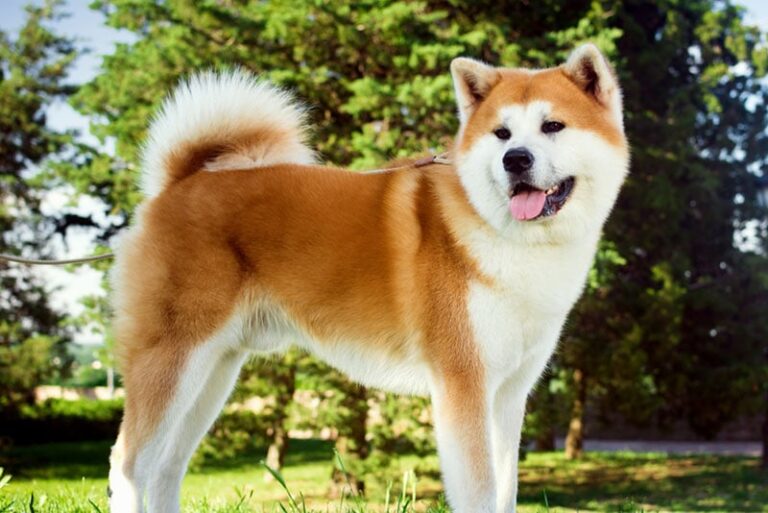
Akita
Large, powerful and dignified, Akitas have a commanding presence. Originally bred as guardians and hunters in Japan, the Akita combines strength, agility and acute intelligence. They tend to be fearless, strong-willed and territorial, so an assertive, experienced owner is a must. Akitas require extensive socialization to overcome their natural wariness of strangers. While not overly affectionate, they‘re extremely loyal family dogs and enjoy having a job to do. Their thick double coats need regular brushing, and they can be predatory towards other animals. Akitas aren‘t needy and will happily hold down the fort in your absence. -
Bullmastiff
These gentle giants were originally bred to guard English estates, and they still retain a protective instinct today. Despite their imposing size (up to 130 pounds), Bullmastiffs only require moderate exercise. A couple walks and some playtime will keep them happy. Calm and confident, Bullmastiffs aren‘t prone to barking and are happy to relax at home while you‘re gone, as long as they get plenty of attention when you return. Like all big dogs, they can be prone to joint issues and need a soft place to lounge. Bullmastiffs are loving family dogs that tend to be reserved with strangers. -
Chihuahua
The tiniest breed on our list, Chihuahuas have the biggest personalities. These diminutive dogs are bold, clever and full of confidence. They tend to bond very closely with their owners and require lots of attention and affection. But they‘re still independent enough to spend some time alone, especially if crated with a favorite toy. Chihuahuas can be yappy, suspicious of strangers, and aren‘t always good with small children. They‘re highly intelligent but can be willful, so training is essential. Minimal exercise and grooming needs make them ideal apartment pets. -
Basenji
Often described as "cat-like," Basenjis are fastidious, inquisitive and a bit mischievous. These clever little hounds were originally bred to hunt alongside humans in Africa. Today, they‘re still independent spirits with a strong prey drive that needs to be managed. Because they don‘t bark, Basenjis are good apartment dogs but can be destructive if bored. They require lots of exercise and mental stimulation in the form of puzzle toys and games. Their short coats are very low maintenance. Loving but not needy, Basenjis can be aloof with strangers but deeply devoted to their humans and do well spending time alone when needed.
Keeping Your Independent Dog Happy When Home Alone
Even the most self-sufficient dog breeds need interaction, exercise and mental stimulation to thrive. To set your pup up for success when home alone:
Provide a comfortable, secure place to rest like a crate or bed in a quiet corner, with soft bedding and favorite toys.
Give interactive puzzle toys stuffed with kibble or treats to keep them occupied.
Ensure they get plenty of exercise before and after you leave with walks, fetch, tug or other active play.
Arrange for a trusted pet sitter, dog walker or doggy daycare if you‘ll be gone for long hours.
Spend quality one-on-one time together when you are home, including training, snuggles and outings to favorite spots.
While these independent breeds may be content at home while you‘re at work, they still live for time with you. No dog should be left alone day after day with minimal interaction. Dogs are social, bonding animals that need companionship to be happy and healthy. If your lifestyle doesn‘t allow adequate time to care for and connect with your canine, you may want to reconsider getting a dog until you have more availability. For those who work long hours but can still be attentive, active owners, one of these self-sufficient breeds may be a great fit.