
Can I Leave My Beagle Alone in the House? A Dog Lover‘s Guide
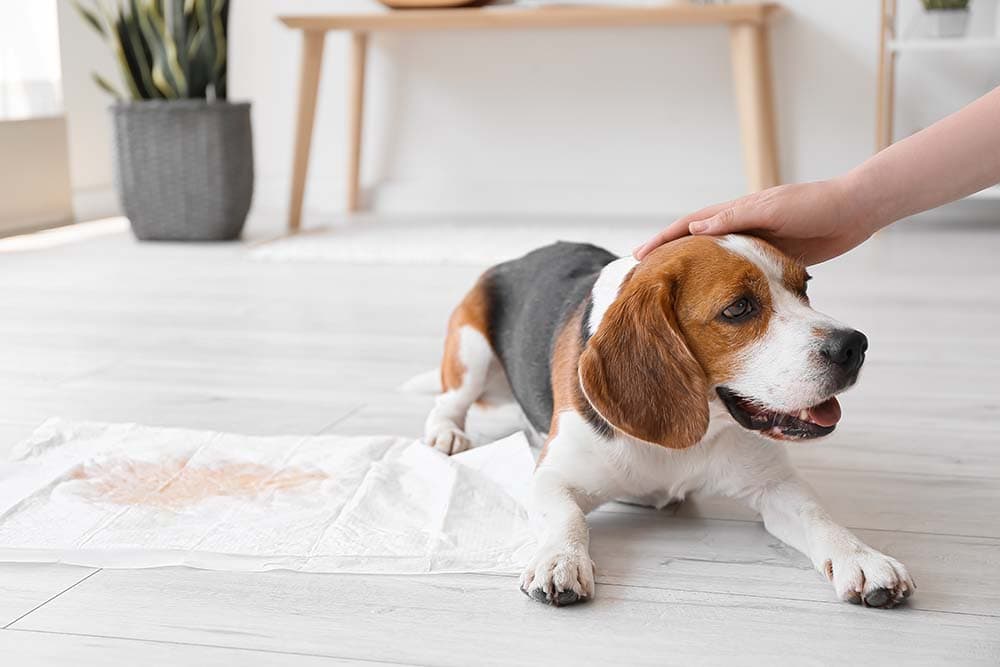
As a proud beagle parent, I know firsthand the joy and love these affectionate, curious, and sometimes stubborn hounds bring to our lives. Bred as pack-oriented hunting dogs, beagles form incredibly strong bonds with their humans. But in today‘s busy world, most of us can‘t be with our dogs 24/7. Work, errands, and travel mean our beagles will inevitably spend some time home alone.
The question is, how much alone time is too much for these highly social pups?
Beagles and Isolation Distress
First, it‘s important to understand that beagles are prone to separation anxiety when left alone too long or too often. As veterinarian Dr. Leslie Sinn explains, "Beagles are genetically hardwired to live and work closely with other members of their pack. Extended periods of isolation go against their nature and can lead to distress."
In fact, a 2020 study in Frontiers of Veterinary Science found that 17% of companion dogs showed signs of separation anxiety, with male dogs and dogs over 1 year old being at higher risk. Other research estimates the prevalence may be as high as 40% in shelter dog populations.
Common signs of isolation distress in beagles include:
- Destructive chewing or digging
- Excessive howling, barking, or whining
- Urinating or defecating indoors
- Pacing, drooling, or panting
- Attempting to escape
As beagle owner Sarah K. shared, "The first time I left my beagle Winston home alone for a full 8-hour workday, I came home to a shredded couch and a very distressed dog. It was clear he couldn‘t handle that much solitary confinement."
How Long Can Beagles Handle Being Alone?
So what‘s the magic number when it comes to leaving your beagle solo? It depends largely on your dog‘s age and personality, but here are some general guidelines:
Beagle Puppies (2-6 months)
| Puppy Age | Max Alone Time |
|---|---|
| 2 months | 2 hours |
| 3 months | 3 hours |
| 4 months | 4 hours |
| 5-6 months | 4-5 hours |
Puppies under 6 months old need frequent potty breaks, socialization, and opportunities to eat, drink, and play. Most experts recommend using the "1 hour per month of age" rule. So a 2 month old beagle puppy can only hold their bladder for about 2 hours, a 3 month old for 3 hours, and so on.
Dr. Jerry Klein, Chief Veterinary Officer for the American Kennel Club, advises that "puppies younger than 6 months should not be crated or confined for more than 3-4 hours at a time." If you work full time and have a young beagle pup, you‘ll need to come home for a midday break or hire a pet sitter.
Adult Beagles (1-7 years)
Healthy adult beagles can typically handle being left alone for 4-6 hours, though some may be able to tolerate up to 8 hours. A 2019 UK study by the animal charity PDSA found that 23% of dog owners reported leaving their dogs alone for more than 4 hours on a typical weekday.
However, behaviorists caution that a full 8-10 hour workday is too much solo time for most dogs on a regular basis. Renowned dog trainer Victoria Stilwell recommends that even adult dogs shouldn‘t be "routinely left alone for more than 6 hours a day."
If your job requires you to be gone for long stretches, consider hiring a dog walker for a midday check-in. Puzzle toys, long-lasting chews, and a cozy den space can also help your beagle feel more comfortable while you‘re away.
Senior Beagles (7+ years)
As beagles enter their golden years, they may develop age-related health issues that affect their ability to be alone. Senior dogs with arthritis, cognitive decline, vision loss, or incontinence will likely need more frequent bathroom breaks and human companionship.
Dr. Mary Burch, a certified animal behaviorist, suggests that "elderly dogs should not be left alone for more than 4-6 hours, depending on their health and comfort level." You may need to adjust your schedule or arrange for a pet sitter to keep your senior beagle happy and healthy.
Preventing Separation Anxiety in Your Beagle
In addition to limiting the length of time your beagle spends alone, there are a number of steps you can take to stave off isolation distress:
- Create a safe, comfortable "den" space with a cozy bed, safe chew toys, and a piece of clothing that smells like you.
- Provide plenty of exercise and mental stimulation before you leave, so your beagle is ready for a snooze while you‘re gone.
- Slowly acclimate your dog to being alone using positive reinforcement. Leave for very short periods at first and gradually increase the duration.
- Consider anti-anxiety aids like pheromone diffusers, soothing music, and calming chews.
- Try a doggy daycare or in-home pet sitter to break up long stretches alone.
"The key is to make alone time a positive, relaxing experience rather than a source of anxiety," says certified dog trainer Kristen Collins. "If you take it slow and associate your absence with great things like puzzle toys and long-lasting chews, most beagles can learn to love their solo time."
A Word on "Outdoor Dogs"
For generations, it was common practice to keep dogs in the yard for long periods while owners were at work or away. But animal advocates and canine experts now agree that dogs should not live outdoors full-time, especially highly social breeds like beagles.
The Humane Society of the United States warns that "dogs kept solely outside suffer from social isolation and can develop behavioral problems like digging, barking, and even aggression." Outdoor dogs are also at higher risk for escape, theft, extreme weather exposure, and encounters with wildlife or toxic substances.
As tempting as it may be to leave your beagle in the backyard for the workday, it‘s not fair or safe to routinely subject them to such isolation. Instead, keep your hound primarily indoors and limit their alone time to a few hours at a stretch.
The Necessity and Challenges of Leaving Dogs Alone
In many parts of the world, leaving companion dogs home alone has become a cultural norm born out of economic necessity. A 2019 YouGov survey found that 76% of American dog owners consider their dogs to be "family members" – yet over 63% of US households have no stay-at-home parent or partner, which means the family dog likely spends much of the day solo.
This dynamic often leads to an emotional tug-of-war. We know it‘s not ideal for our social, pack-oriented pups to be alone, yet our livelihoods depend on being able to leave them. Beagle owner Kevin G. laments, "I hate leaving Buddy alone every day, but I have to work to keep a roof over both our heads."
The fact is, the realities and expectations of modern life are often at odds with our dogs‘ mental and emotional needs. While we can‘t always align our human schedules perfectly with our pets‘ natural instincts, we can strive for a healthy balance.
Making the Most of Your Time Together
If you do need to regularly leave your beagle alone, it‘s even more important to focus on quality time together when you are home. Beagles thrive on positive interaction with their pack, so be sure to carve out plenty of time for walks, playtime, training, and just hanging out.
Renowned dog behaviorist Patricia McConnell stresses that "the best thing we can give our dogs isn‘t more stuff or more space – it‘s us. It‘s our time and attention, our affection, and our leadership."
So after a long day apart, greet your beagle with enthusiasm, take them on a sniffari adventure, have a silly play session, and snuggle up together on the couch. Those moments of bonding can help make up for the hours of solitude.
The Bottom Line
While it‘s not ideal, leaving your beagle alone for periods of time is often an unavoidable part of modern dog ownership. But by understanding their social needs, taking steps to prevent separation anxiety, and prioritizing quality time together, you can help your hound be a happy and well-adjusted member of the family – even if they do spend their 9 to 5 as a solo CEO (Canine Executive Officer).
As veterinarian and animal welfare expert Dr. Melissa Bain sums it up: "Dogs are amazingly adaptable creatures, but it‘s up to us humans to set them up for success. Beagles can learn to cope with alone time, as long as their overall lives are rich with love, activity, and companionship."


