
Chiweenie (Chihuahua & Dachshund Mix): Guide, Info, Pictures, Care & More!
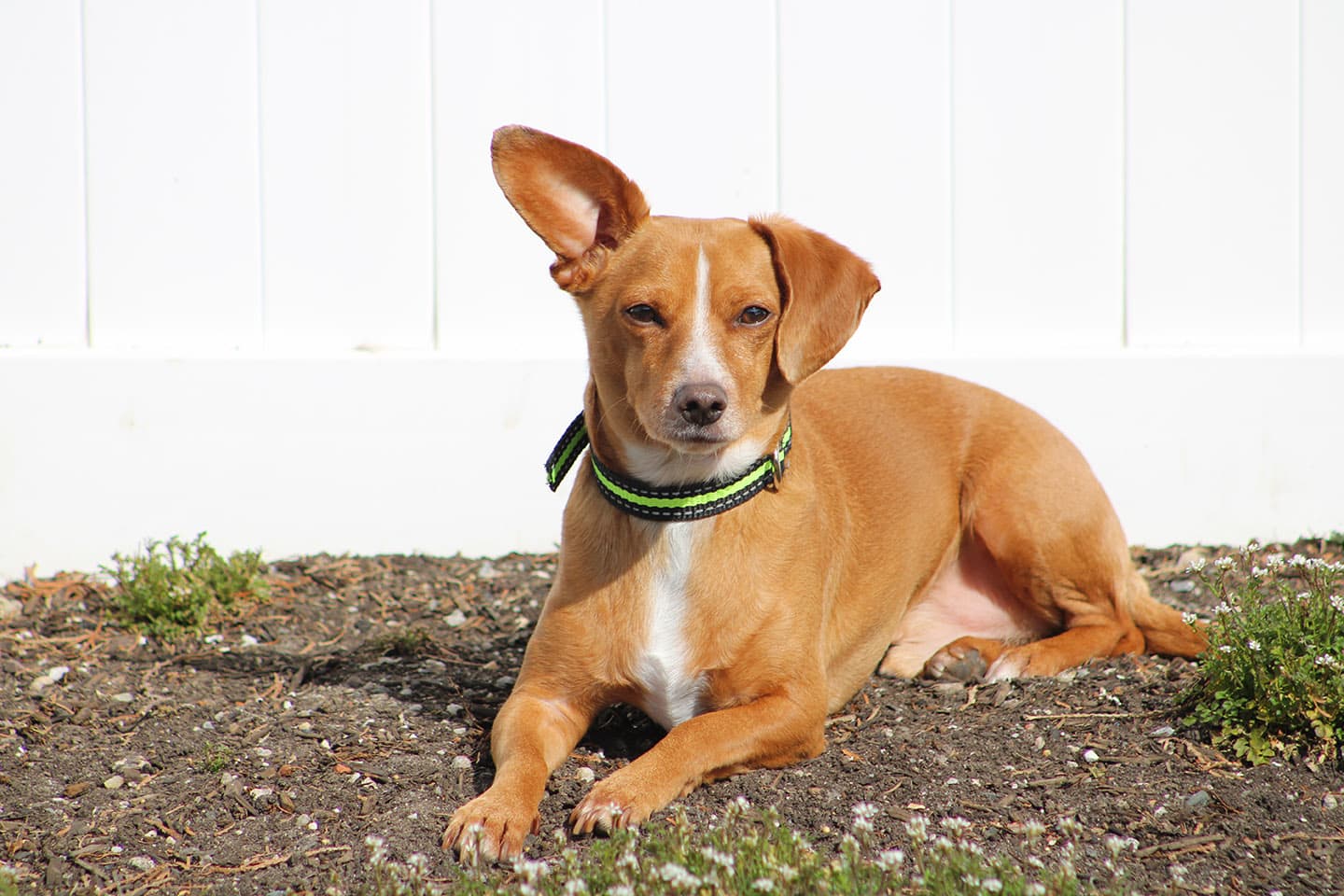
Chiweenies: The Ultimate Guide to the Charismatic Chihuahua-Dachshund Mix
Introduction
Are you looking for a small dog with a big personality? Look no further than the charismatic Chiweenie! This adorable cross between a Chihuahua and a Dachshund has been gaining popularity in recent years—and for good reason. Chiweenies are loyal, lively, and loving companions that can adapt well to apartment living. But before you fall head over heels for these cheeky charmers, there‘s a lot you should know. In this ultimate guide, we‘ll cover everything about the Chiweenie dog breed including their appearance, temperament, health concerns, care requirements, and more. By the end, you‘ll have a clear idea if this is the right dog for you and your lifestyle. Let‘s dive in!
Breed Overview and Characteristics
The Chiweenie is a designer hybrid dog breed that‘s a cross between a purebred Chihuahua and a purebred Dachshund (hence the silly name that combines the two). Since they are a newer mixed breed without set standards, their appearance can vary quite a bit depending on which parent breed they take after more.
In general, Chiweenies are small dogs that typically weigh between 5-12 pounds and stand 6-10 inches tall at the shoulder when full grown. They tend to have a longer body like a Dachshund but with the rounded apple-dome head, bug eyes, and erect ears of a Chihuahua. Their coats are usually short and can come in many colors including black, brown, fawn, white, or a combination.
The average lifespan for a Chiweenie is around 13-16 years, so they can be a long-term commitment. Like their parent breeds, Chiweenies can be prone to dental disease, luxating patellas, eye problems, and back issues like intervertebral disc disease (IVDD), so regular vet check-ups are a must.
Chiweenie Temperament and Personality
What‘s it like living with a Chiweenie? These pint-sized pups pack a lot of personality! Chiweenies are known for being alert, confident, and sassy. They tend to bond very closely with their owners and can be quite needy in terms of attention and affection.
Most Chiweenies are highly social and friendly with people, but they can be suspicious of strangers if not properly socialized. They also have a tendency to be reactive toward other dogs, especially larger ones. That "small dog syndrome" is real! Early and ongoing socialization is key to having a well-adjusted Chiweenie.
While Chiweenies are very intelligent, they are also independent thinkers (some might say stubborn) which can make training a challenge. Positive reinforcement methods using treats or praise work best with this breed. Harsh corrections will only make them shut down. With patience and consistency though, Chiweenies can learn quickly. They often excel at dog sports like agility, rally, and nose work.
Chiweenies also tend to be vocal dogs that like to bark to alert you of any sights and sounds. If barking becomes excessive, it‘s important to train a "quiet" cue. This chattiness, combined with their attachment to their owners, means Chiweenies aren‘t the best choice if you work long hours away from home. They can develop separation anxiety if left alone too much.
Overall, Chiweenies can make wonderful companions for the right person or family. They are playful, entertaining, and full of love and kisses for their favorite humans. Just be prepared for a dog that wants to be the center of attention!
Exercise and Training a Chiweenie
Don‘t let the Chiweenie‘s small size fool you—these dogs have moderate to high energy levels and need daily exercise to stay happy and healthy. A good rule of thumb is 30-60 minutes of activity per day, broken up into a couple walks and play sessions.
Chiweenies love to go on adventures and explore, so mix up your walking routes and let them sniff to their heart‘s content. Puzzle toys and games like hide-and-seek are also great for giving them mental stimulation.
While you might want to scoop up your Chiweenie and carry them everywhere, it‘s important that they learn to walk nicely on leash. Start leash training from a young age and be consistent with rewarding good leash manners.
When it comes to obedience training, the earlier you start with your Chiweenie, the better. These clever dogs need a patient and persistent approach. Keep training sessions short and fun. Chiweenies respond best to positive reinforcement, never punishment. With time and practice, you can shape your Chiweenie into a well-mannered family member.
It‘s also crucial to start socialization from puppyhood so your Chiweenie grows up to be a confident, friendly dog. Expose them to new people, animals, places, and noises and pair each experience with treats and praise. Well-run puppy classes are a great way to jump-start socialization.
Chiweenie Health and Care
Keeping your Chiweenie healthy involves a combination of good nutrition, preventative care, and knowing what health issues to watch out for in the breed. Let‘s break it down:
Diet: Chiweenies do best with a high-quality, small breed dog food that is appropriate for their age and activity level. Avoid overfeeding, as this breed is prone to getting overweight which can worsen joint problems. Talk to your vet about the right portion sizes and stick to a consistent feeding schedule, usually 2 meals per day.
Preventative care: Take your Chiweenie for annual check-ups and keep them up-to-date on core vaccinations, heartworm prevention, and flea/tick control as recommended by your vet. Regular dental cleanings and daily tooth brushing can also help prevent dental disease, which is common in small breeds.
Health issues: Chiweenies can inherit health problems from their parent breeds, including:
- Patellar luxation – loose kneecaps that can cause lameness
- Intervertebral disc disease (IVDD) – a back problem where cushioning discs between vertebrae bulge or burst
- Eye problems like cherry eye, dry eye, progressive retinal atrophy
- Dental disease and tooth loss
- Tracheal collapse – weakening of the trachea that causes coughing and breathing problems
- Allergies and skin problems
The best way to avoid many inherited issues is to get your Chiweenie from a responsible breeder who does health testing on their breeding dogs. However, even well-bred Chiweenies can still develop health problems, so it‘s important to know the signs and have pet insurance or a savings account for unexpected vet bills.
Grooming: Chiweenies are fairly low maintenance in the grooming department. Weekly brushing and the occasional bath is usually sufficient. However, you will need to regularly trim their nails, clean their ears, and brush their teeth for optimal health.
Is a Chiweenie Right for You? Weighing the Pros and Cons
Now that you know more about the breed, it‘s time to consider if a Chiweenie would be a good fit for your lifestyle. Here are some pros and cons to keep in mind:
Pros:
- Highly affectionate and loyal to their owners
- Adaptable to different living situations
- Don‘t need a lot of space or exercise compared to larger breeds
- Generally good with older kids and other dogs when socialized
- Easy to groom and don‘t shed much
- Portable and easy to travel with
- Long lifespan of 13-16 years on average
Cons:
- Can be prone to barking and hard to train out of it
- Have a stubborn streak which can make training tricky
- Can develop separation anxiety if not given enough attention
- May be suspicious or reactive toward strangers and other dogs
- Can be difficult to house train
- Prone to certain health issues like dental problems and IVDD
- Not ideal for homes with very young children who may play too roughly
Ultimately, Chiweenies can thrive with the right owner who can give them plenty of attention, socialization, and positive reinforcement training. If you work from home, live in an apartment, or want an adoring small companion to shower with love, a Chiweenie could be a perfect match.
However, if you work long hours, travel frequently, have young kids, or want a laid-back couch potato dog, a Chiweenie may not be the best choice. Really think about your lifestyle and what you want in a canine companion before making the 10-15 year commitment.
Finding a Chiweenie
So you‘ve decided a Chiweenie is the dog for you—congratulations! Now it‘s time to start your search for the perfect puppy or rescue dog. Here are some options to consider:
Breeder: The most selective way to find a Chiweenie puppy is through a reputable breeder. Look for a breeder who does health testing on the parents, socializes the puppies, and will answer all your questions. Be prepared for a wait list and to pay anywhere from $500 to $2000 for a well-bred pup. Avoid pet stores, puppy mills, and backyard breeders who are more interested in making a quick buck than breeding healthy, tempered dogs.
Rescue: If you would prefer to adopt an adult Chiweenie in need of a home, check with local animal shelters and Chiweenie/Chihuahua/Dachshund specific rescue groups. Let them know you are looking for a Chiweenie and ask to be notified when one comes in. Adopting often costs around $50-$450 which usually includes vetting and spay/neuter surgery. You also get the benefit of knowing more about the dog‘s temperament than you would a puppy.
Whichever route you choose, make sure to ask lots of questions, meet the dog in person, and sign a contract with a health warranty. A responsible source will want to make sure you are a good fit for one of their dogs.
Fun Facts About Chiweenies
Still curious to learn more? Here are some entertaining facts about this unique designer breed:
-
Chiweenies are also known by many other cute hybrid names like the Mexican Hotdog, German Taco, Choxie, Weeniehuahua, Chihweenie and Doxihuahua.
-
The Chiweenie‘s parent breeds have quite different histories. Chihuahuas originated in Mexico and were prized as lap dogs to the wealthy. Dachshunds were developed in Germany to be fierce badger hunting dogs.
-
Celebrity Chiweenie owners include Raven-Symoné, Jamie-Lynn Sigler, Channing Tatum, and Rosie O‘Donnell.
-
Chiweenies can come in a variety of coat types depending on the coat of the parents – from short and smooth to long and wiry. The shorthaired ones tend to be the most popular.
-
King Henry VIII reportedly had a Chiweenie-like dog named Turing that he was deeply attached to. The loyal canine even saved Henry‘s life by biting an attempted assassin‘s leg!
Conclusion
In conclusion, the Chiweenie is a charming, sassy, and loving designer dog breed that can make a wonderful companion for the right owner. While they may have some stubborn and yappy tendencies, with proper training and socialization, Chiweenies can thrive and adapt to many living situations. If you are looking for a portable, affectionate, and entertaining canine best friend, a Chiweenie may be the perfect little dog for you. Just be prepared for a dog that always wants to be by your side!



:%20Guide,%20Info,%20Pictures,%20Care%20&%20More!)