
12 Delightful Dog Breeds That Are Similar to Airedale Terriers
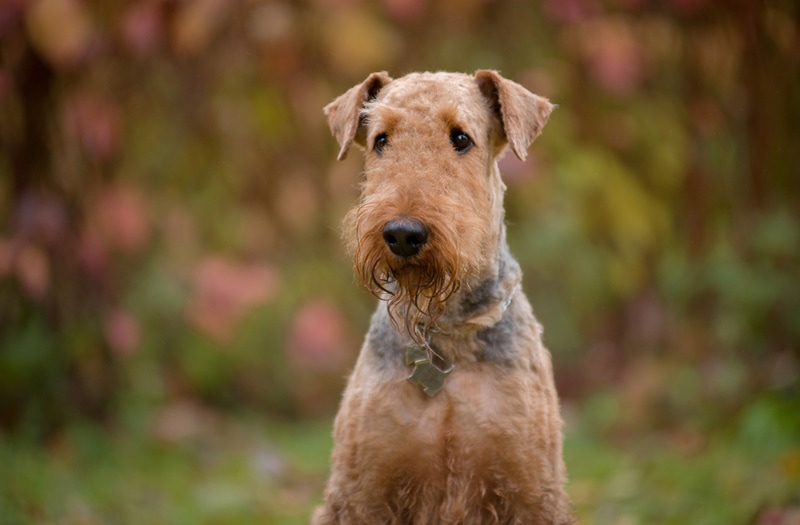
As one of the most iconic and recognizable terrier breeds, the Airedale Terrier has won the hearts of dog lovers worldwide with its majestic appearance, keen intelligence, and larger-than-life personality. But while the "King of Terriers" may reign supreme in the eyes of many, there are numerous other breeds that offer comparable charms and quirks. In fact, some of these Airedale alternatives may even be a better fit for your unique lifestyle and dog ownership goals.
In this comprehensive guide, we‘ll introduce you to a dozen delightful breeds that share key characteristics with the almighty Airedale. From the striking Irish Terrier to the diminutive yet determined Lakeland Terrier, each of these breeds boasts its own special blend of terrier tenacity, cleverness, and charisma. But they also have distinctive traits that set them apart from the Airedale and may just make them your ideal match.
Whether you‘re drawn to the Airedale‘s dignified good looks, bold spirit, or versatility as a companion, you‘re sure to find a kindred canine soul among this diverse group of breeds. We‘ll explore each one in depth, covering key topics such as:
- Breed History and Evolution
- Physical Attributes and Size
- Temperament and Personality
- Grooming and Care Requirements
- Ideal Living Situation and Family Fit
- Health and Longevity
In addition, we‘ll provide expert tips from veterinarians, breeders, and experienced owners on how to choose and raise the Airedale-esque dog of your dreams. With a little research and preparation, you‘ll be well on your way to finding your own "King" or "Queen" of canine companions!

Irish Terrier: The Dashing Daredevil
Hailing from the Emerald Isle, the Irish Terrier is often hailed as the Airedale‘s closest cousin in both appearance and personality. Fiercely devoted, unwaveringly brave, and just a bit mischievous, these compact redheads pack a lot of punch into a portable package.
History and Background
The Irish Terrier‘s origins can be traced back to the late 18th century, when they were developed as all-purpose farm dogs in rural Ireland. Prized for their courage and versatility, these plucky pups were tasked with everything from hunting foxes and badgers to guarding livestock and exterminating vermin. They quickly gained a reputation as the "poor man‘s sentinel, the farmer‘s friend, and the gentleman‘s favorite" due to their adaptability and amiable nature [1].
As the breed‘s popularity spread to England and beyond in the late 1800s, Irish Terriers began to make a name for themselves in the show ring and as fashionable companions for upper-crust families. They even served as military messenger dogs and mascots during World War I, earning accolades for their bravery and loyalty under fire [2].
Physical Description and Stats
The Irish Terrier is a medium-sized dog with a sturdy, muscular build and a distinctively rectangular head. They have small, dark eyes that sparkle with mischief, neat folded ears, and a short, wiry red coat that ranges in hue from golden to rich chestnut.
| Trait | Male Average | Female Average |
|---|---|---|
| Height | 18 inches | 17 inches |
| Weight | 27 pounds | 25 pounds |
| Coat Type | Wiry and dense, minimal shedding | Wiry and dense, minimal shedding |
| Coat Color | Solid red, wheaten, or red wheaten | Solid red, wheaten, or red wheaten |
| Lifespan | 13-15 years | 13-15 years |
| AKC Popularity Rank (2020) | 119 | 119 |
| Average Purchase Price (2021) | $1,500 – $2,000 | $1,500 – $2,000 |
Data sourced from American Kennel Club and Irish Terrier Club of America.
Temperament and Personality
Irish Terriers are known for their bold, energetic, and mischievous personalities. They are deeply devoted to their families but can be aloof or even suspicious of strangers. Like most terriers, they have a strong prey drive and love to chase and dig, so a securely fenced yard and plenty of exercise are a must.
Irish Terriers are intelligent and highly trainable, but their independent streak means they can also be stubborn at times. Positive reinforcement methods work best with this breed, as they can be sensitive to harsh corrections [3]. Early socialization is also crucial to help them learn to play nice with other dogs and people.
While generally good with respectful children, Irish Terriers may not tolerate rough handling or teasing from overly rambunctious kids. They also have a tendency to be possessive of their toys and food, so it‘s important to teach them to share from a young age.
Grooming and Care
The Irish Terrier‘s wiry coat requires regular brushing and hand-stripping or clipping to maintain its signature tousled look. They shed very little, making them a good choice for allergy sufferers, but they are not completely hypoallergenic.
In addition to coat care, Irish Terriers need their nails trimmed regularly, their teeth brushed daily, and their ears checked and cleaned weekly to prevent infections. They are a relatively healthy breed with few inherited health issues, but some may be prone to hip dysplasia, hypothyroidism, and certain eye disorders [4].
Ideal Home and Family
Irish Terriers are best suited to active homes with plenty of space to run and play. They can adapt to apartment living if given enough exercise and mental stimulation, but a house with a securely fenced yard is ideal.
This breed does best with experienced dog owners who can provide firm, consistent training and leadership. They can be a good fit for families with older children who know how to interact with dogs respectfully, but may not be the best choice for households with very young kids or frail elderly members.
Irish Terriers typically prefer being the only dog in the home, but they can learn to coexist peacefully with other canines if raised together from puppyhood. They have a strong prey drive and may view cats, rabbits, and other small furry pets as fair game, so caution is advised in multi-species households.
If you‘re looking for a loyal, lively, and loving companion with the classic terrier spunk and smarts, the Irish Terrier may just be your perfect match. These dashing redheads are sure to keep you on your toes and steal your heart with their big personalities and even bigger hearts.
Other Airedale Alternatives to Consider
While the Irish Terrier may be the Airedale‘s closest canine cousin, there are plenty of other breeds that share similar traits and charms. Here are a few more to add to your "Airedale alternative" shortlist:
Welsh Terrier
Smaller than the Airedale but just as spunky, the Welsh Terrier was originally bred to hunt foxes and badgers in the rugged terrain of Wales. Today, these compact charmers make lively, loyal companions with a knack for mischief.
Lakeland Terrier
Hailing from the Lake District of England, the Lakeland Terrier is a small but mighty hunter with a wiry coat and a plucky personality. They are intelligent, independent, and utterly devoted to their humans.
Wire Fox Terrier
With their signature "foxy" face and wiry white coat, Wire Fox Terriers are as handsome as they are bold and boisterous. These fearless hunters and faithful companions have been stealing hearts for centuries.
Kerry Blue Terrier
One of the largest and most striking terrier breeds, the Kerry Blue is known for its soft, wavy blue-gray coat and its signature beard and eyebrows. These intelligent, athletic dogs make excellent watchdogs and family pets.
No matter which breed you choose, it‘s important to do your research and find a reputable breeder or rescue organization to ensure you bring home a healthy, well-adjusted pup. With proper training, socialization, and care, any of these Airedale alternatives can make a cherished companion for years to come.
Final Thoughts
The Airedale Terrier may be the undisputed king of the terrier world, but there are countless other breeds that can give them a run for their money in the personality and versatility departments. From the dashing Irish Terrier to the wiry Welsh Terrier and the bold Wire Fox Terrier, each of these Airedale alternatives has its own unique charms and challenges.
When choosing the right breed for your lifestyle and family, it‘s important to look beyond surface similarities and consider factors such as energy level, trainability, grooming needs, and potential health issues.
By doing your homework and working with a reputable breeder or rescue group, you‘ll be well on your way to finding your own "King" or "Queen" of canine companions – even if they don‘t have the Airedale‘s royal title.
Sources
- Irish Terrier Club of America. (2023). Breed History. https://itca.info/breed-history/
- Coile, D.C. (2011). Irish Terriers. Barron‘s Educational Series.
- American Kennel Club. (2023). Irish Terrier Temperament & Personality. https://www.akc.org/dog-breeds/irish-terrier/
- PetMD. (2023). Irish Terrier. https://www.petmd.com/dog/breeds/c_dg_irish_terrier


