15 Most Dangerous Dog Breeds: Pictures, Facts & More

Introduction
When it comes to man‘s best friend, it‘s important to remember that dogs are still animals with the potential to cause harm, especially when improperly trained or mistreated. According to the CDC, nearly 4.5 million dog bites occur in the United States each year, with over 800,000 of those bites requiring medical attention. Tragically, dogs also kill around 30-50 people per year, with certain breeds statistically more likely to be involved in fatal attacks.
While genetics do play a role in aggression, a dog‘s propensity for violence is influenced by many other factors including training, socialization, health, and treatment by owners. Large, powerful dogs that were originally bred for fighting, guarding, and hunting are generally more capable of inflicting serious injuries, but any dog can bite if they feel threatened, scared, or are in pain. Knowing which breeds have the greatest potential for harm can help owners take extra precautions, but responsible training and care is essential for preventing attacks from any dog.
Top 10 Most Dangerous Dog Breeds
- Pit Bulls & Staffordshire Terriers
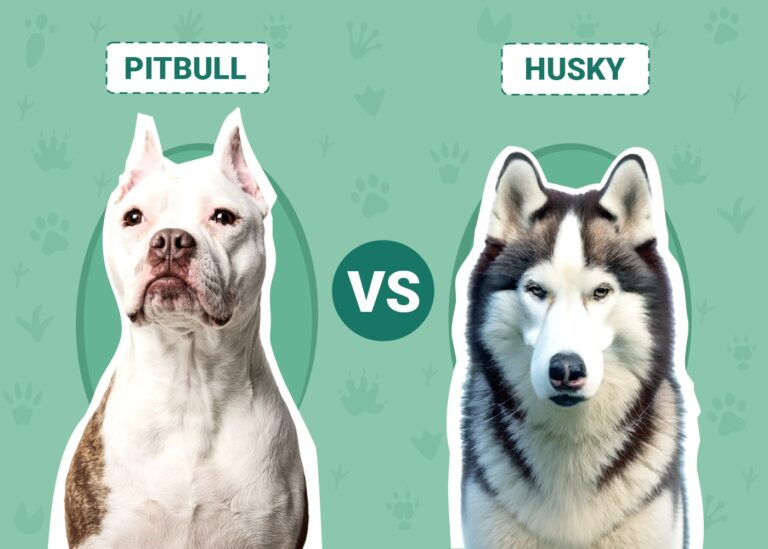
Originally bred for bull and bear baiting, then later for dog fighting, "pit bull" is a term encompassing several breeds including the American Pit Bull Terrier, American Staffordshire Terrier, American Bully, and Staffordshire Bull Terrier. Ranging from 30-90 pounds with extremely muscular builds, pit bulls have immensely powerful bites. Unfortunately, pit bulls and mixes account for the vast majority of fatal dog attacks, killing 284 people between 2005-2017, 66% of total dog bite fatalities.
While some pit bulls can be loving family pets, many have a high prey drive, are territorial, and don‘t get along with other animals. They require extensive training, socialization, and a firm hand to overcome aggressive tendencies. Sadly, pit bulls attract many irresponsible owners who abuse and mishandle these dogs or even intentionally train them to fight, greatly increasing the risk of attacks. Pit bulls are also frequently misidentified, so bite statistics may be skewed.
-
Rottweilers
Powerful and protective, with a bite even stronger than a pit bull, Rottweilers can make excellent guard dogs but require intensive training to be good family pets. If not properly socialized, Rotties may be extremely suspicious of strangers and aggressive towards other dogs. Although obedient and loyal to their owners, Rottweilers accounted for 10% of fatal dog attacks from 2005-2017, the second highest after pit bulls. -
German Shepherds
Widely used as police and military dogs, German Shepherds are strong, intelligent, and fiercely protective when perceiving a threat. Frequently trained as guard dogs, they are territorial and can inflict serious harm with their powerful bites. German Shepherds must be well socialized from a young age and benefit from strict boundaries and training to control their herding and guarding instincts. They accounted for 4.7% of fatal dog attacks between 2005-2017. -
American Bulldogs
Muscular descendents of Old English Bulldogs bred for farm work, American Bulldogs need extra socialization and training to prevent territorial and protective aggression. Confident and brave, their bulky, strong builds allow them to inflict serious injuries. Not a purebred, mixes and variations of American Bulldogs are frequent, so attack statistics may be misattributed. -
Bullmastiffs
A powerfully built mastiff breed, Bullmastiffs can reach up to 130 pounds and have an intimidating appearance that matches their strong guarding instincts. Originally bred to guard English estates and game preserves, Bullmastiffs are intensely loyal to their families and known for physically intervening to protect them. They have a relatively low bite rate but are a formidable opponent if they do attack. -
Siberian Huskies
Perhaps a surprising entry, Siberian Huskies have been responsible for a number of fatal attacks, particularly on children. While friendly and outgoing with people, huskies have a strong predatory instinct and may view small children as potential prey, especially if not well socialized. Their athletic builds allow them to easily overpower a person. Huskies are also frequent escape artists and may roam, increasing the potential of encountering and chasing a person. -
Akitas
Large, powerful Japanese dogs originally bred for guarding and hunting wild boar, Akitas are now popular companions but retain strong territorial and protective instincts. Wary of strangers and prone to aggression towards other animals, Akitas require extensive socialization and training to be trustworthy family pets. They have been involved in several highly publicized fatal attacks. -
Doberman Pinschers
Sleek, fast, and muscular dogs originally bred for personal protection, Dobermans have long held a reputation as aggressive and intimidating guard dogs. Their bite strength is fearsome and they are notoriously distrustful of strangers. Dobermans require firm training and extensive socialization from a young age. They are banned in many municipalities and are common targets of breed specific legislation. -
Great Danes
Commonly reaching over 100 pounds, Great Danes‘ immense size gives them the potential to unintentionally harm people and smaller animals. Generally gentle giants with even temperaments, Great Danes still have bite risk, particularly with their heavy, strong tails and clumsy nature creating a potential for knocking people over. Proper leash manners and training are essential for these extra large dogs. -
Chow Chows
Powerfully built, with strong jaws and a dense coat, Chow Chows tend to be aloof with strangers and stubbornly independent. Originally bred as guard dogs, Chows require extensive socialization to accept people outside their families. They have been involved in several highly reported attacks. Though not a mastiff breed, they have a similar large head shape giving them a powerful bite.
Other High Risk Breeds
Several other breeds have reputations and track records for aggressive behavior and attacks, including:
- Gull Dong – A rare Pakistani breed prone to aggression
- Boerboel – Powerful African mastiff breed with strong guarding instincts
- Presa Canario – Fearless guardian breed with potential animal aggression
- Cane Corso – Imposing Italian mastiff breed that can be aggressive if not well trained
- Chihuahuas – Frequent biters due to anxiety, small dog syndrome, and lack of training
- Wolf hybrids – Crosses between wolves and dogs with unpredictable behavior
Mixed breed dogs can also have high aggression risk, as their genetic backgrounds are uncertain. Visual breed identification is very difficult and even professionals frequently misidentify mixes as purebreds. Mutts in the shelter system in particular may have suffered neglect and abuse affecting their behavior.
Factors Beyond Breed
While genetics and breeding history do influence aggression, many other environmental and social factors can create a dangerous dog. The biggest risk factor is lack of proper socialization and training. Dogs that haven‘t been exposed to different people, animals, and situations are much more likely to react with fear and aggression. Spoiling, babying, or failing to set boundaries for a dog can also lead to aggressive behaviors.
Mistreated dogs that have been neglected, physically abused, kept on chains, or forced to fight are much more likely to be aggressive towards people and other animals. Behaviors like resource guarding, dominance aggression, and territorial aggression are more prevalent in dogs that have not been properly cared for. Aggressive behaviors are also linked to some medical and neurological conditions, so veterinary exams are important for dogs showing hostility.
Preventing Aggression
No matter the breed, dogs are ultimately the responsibility of their owners. Properly training, socializing, and humanely caring for a dog is the best way to ensure it remains friendly and non-violent. Owners should understand the unique needs of their dog‘s breed. Large, strong breeds and those with protective instincts need consistent training and clear boundaries from a young age.
Spaying/neutering can help curb aggressive behaviors, particularly in males. Keeping dogs properly confined and always leashed in public prevents opportunities for them to chase or attack people and other animals. Teaching children how to respectfully interact with dogs is also key, as running away or screaming may trigger predatory behaviors even in otherwise friendly dogs. Recognizing signs a dog is scared or feeling threatened, such as cowering, whale eyes, growling, or raising hackles, can prevent bites.
Professional training is recommended for most dogs displaying aggressive behaviors. If mistreated or undersocialized, some aggressive dogs may be rehabilitated with patient and consistent training, but some cannot be reformed. Owners must carefully weigh if they are equipped to manage their aggressive dog or if rehoming or euthanasia is the safest decision.
Breed Specific Legislation
The prevalence of certain breeds in attacks has led some jurisdictions to ban or restrict specific dog breeds, most commonly pit bulls but also Rottweilers, German Shepherds, and Chow Chows. These laws are highly controversial. Advocates argue that certain breeds are inherently dangerous and breed bans reduce bites. Critics say breed bans punish responsible owners and ignore other major causes of canine aggression. Breed identification is also highly subjective.
With proper training and care, dogs of any breed can make safe and loving companions. Focusing on promoting responsible pet ownership is a better solution than breed discrimination. Stronger anti-cruelty and neglect laws, harsher penalties for dog fighting, and requiring owners of high-risk breeds to have insurance or special permits are potential alternatives to banning breeds outright. Education on dog behavior and bite prevention should accompany legislation efforts.
Conclusion
All dogs need training, socialization, and proper care to be well-behaved pets, but owners of dogs with high potential for aggression must be especially committed to these efforts. Knowing the risks associated with different breeds can help owners prevent tragic incidents, and we all must understand that any dog can bite if threatened or mishandled. Ultimately, there are no bad dog breeds, only negligent owners. For the safety of people and dogs alike, we should promote responsible pet ownership rather than villainize specific breeds.