
Male vs Female Miniature Schnauzer: A Comprehensive Guide for Dog Lovers (2026 Update)
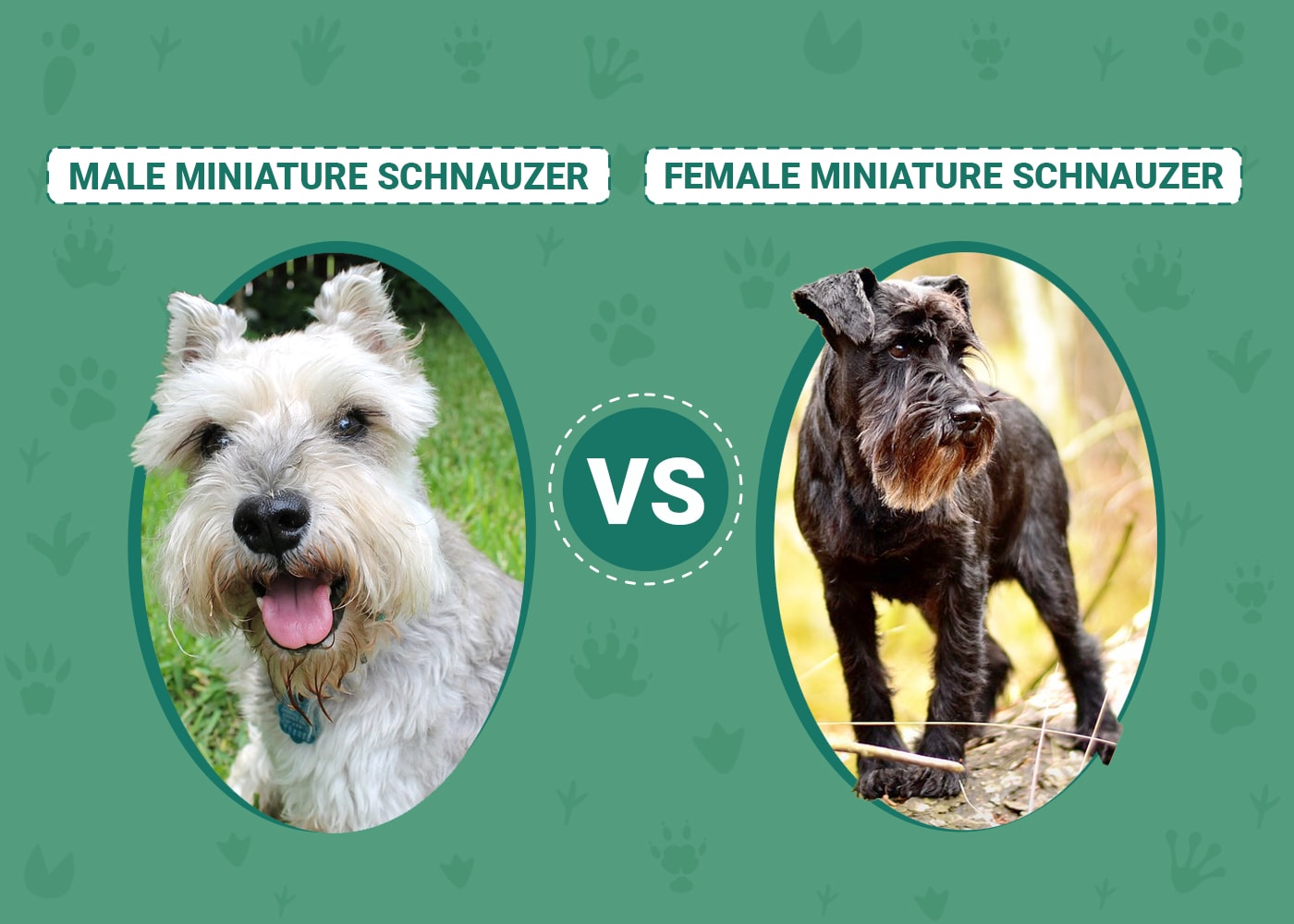
Miniature Schnauzers have long been cherished companions, capturing the hearts of dog lovers worldwide with their charming personalities, intelligence, and adaptability. As a proud dog lover considering adding a Miniature Schnauzer to your family, you may find yourself wondering about the differences between males and females. In this comprehensive guide, we‘ll delve into the unique characteristics of each gender, focusing on the female Miniature Schnauzer, to help you make an informed decision based on your lifestyle and preferences.
Breed Overview: The Enchanting Miniature Schnauzer
The Miniature Schnauzer, a smaller cousin of the Standard Schnauzer, was developed in Germany in the late 19th century. Bred to be a farm dog and ratter, these compact canines quickly gained popularity for their intelligence, loyalty, and adaptability to various living situations. Today, they are beloved family pets and excel in various roles, from companionship to therapy work and even agility competitions.
Miniature Schnauzers are easily recognized by their distinctive appearance, featuring a sturdy, muscular build, a wiry, dense coat, and a signature bearded snout. They come in three color varieties: salt and pepper, black and silver, and solid black. According to the American Kennel Club (AKC), the ideal height for a Miniature Schnauzer is 12 to 14 inches at the shoulder, with males typically weighing 11 to 18 pounds and females weighing 10 to 15 pounds.
| Characteristic | Male | Female |
|---|---|---|
| Height | 12-14 inches | 11-13 inches |
| Weight | 11-18 pounds | 10-15 pounds |
| Life Expectancy | 12-15 years | 12-15 years |
Table 1: Average height, weight, and life expectancy of male and female Miniature Schnauzers. Source: American Kennel Club (AKC).
Beyond their physical attributes, Miniature Schnauzers are known for their alert, curious, and friendly nature. They are highly trainable and thrive on mental stimulation and physical activity, making them well-suited for active families who can provide plenty of playtime and exercise. Despite their small size, they are fearless and protective, earning them a reputation as excellent watchdogs.
Understanding the Differences: Male vs Female Miniature Schnauzers
Personality and Temperament
While both male and female Miniature Schnauzers share many common traits, such as their playful, affectionate nature and strong bond with their families, some subtle differences in personality may be observed between the genders.
Male Miniature Schnauzers are often described as more easy-going and affectionate. They tend to be more dependent on their owners and may be more likely to seek attention and physical contact. Dr. Stanley Coren, a renowned canine psychologist, suggests that male dogs, in general, may be more likely to form stronger attachments to their owners compared to females.
Females, on the other hand, are generally more independent and self-assured. They may be more reserved with strangers and can be territorial, especially around other female dogs. Anecdotal evidence from Miniature Schnauzer owners suggests that females may be more inclined to assert their dominance within the household, particularly if there are other female dogs present.
However, it‘s crucial to remember that these are generalizations, and individual personality can vary greatly based on factors like genetics, socialization, and training. As Dr. Coren emphasizes, "The individual dog‘s personality is a combination of genetics and upbringing, and there can be considerable variation within each sex."
Training and Obedience
Miniature Schnauzers are intelligent and eager to please, making them highly trainable. However, there may be slight differences in how males and females respond to training.
Males are often more easily distracted and may require more patience and consistency in training. They can be slower to housetrain and may take longer to learn new commands. According to a study by the Journal of Veterinary Behavior, male dogs, in general, may be more likely to exhibit undesirable behaviors, such as marking and aggression, compared to females.
Females, with their independent streak, may be more focused and quick to learn. They often excel in obedience training and can be easier to housetrain. However, their territorial nature may require additional socialization and training to ensure they remain well-behaved around other dogs and strangers.
Regardless of gender, early socialization and positive reinforcement training are essential for raising a well-behaved and well-adjusted Miniature Schnauzer. As certified dog trainer Victoria Stilwell advises, "Positive reinforcement training is the most effective and humane way to train a dog, regardless of breed or gender. It focuses on rewarding desired behaviors and creating a strong, trusting bond between dog and owner."
Health Concerns
Miniature Schnauzers are generally a healthy breed with a lifespan of 12 to 15 years. However, like all breeds, they are prone to certain health issues, some of which may be more prevalent in one gender than the other.
Males are more susceptible to developing bladder stones and prostate issues as they age. According to a study published in the Journal of the American Veterinary Medical Association, male dogs are approximately 2.5 times more likely to develop bladder stones compared to females.
Females have a higher risk of developing urinary tract infections, mammary tumors (if not spayed), and ovarian cysts. The AKC Canine Health Foundation reports that approximately 25% of unspayed female dogs will develop mammary tumors by the age of 10, emphasizing the importance of early spaying.
Both genders can be prone to eye problems like cataracts and progressive retinal atrophy, as well as skin allergies and pancreatitis. Regular vet check-ups, a balanced diet, and maintaining a healthy weight can help prevent or manage these health concerns. As Dr. Jerry Klein, Chief Veterinary Officer of the AKC, advises, "Preventive care, including regular veterinary check-ups, appropriate vaccinations, and a healthy lifestyle, is essential for the long-term health and well-being of any dog, regardless of breed or gender."
The Female Miniature Schnauzer: A Closer Look
Personality and Bonding
Female Miniature Schnauzers are known for their independent, self-assured nature. They are intelligent, curious, and always ready for a new adventure. While they may not be as overtly affectionate as their male counterparts, they form strong bonds with their families and are fiercely loyal.
Female Miniature Schnauzers generally get along well with children and other pets, especially when socialized from a young age. However, they can be territorial around other female dogs and may require careful introductions and supervision to ensure peaceful coexistence. As dog behavior expert Cesar Millan notes, "Female dogs can be more territorial and protective of their space and resources, especially when they are unspayed. Early socialization and training can help prevent or manage these behaviors."
Training Tips
When training a female Miniature Schnauzer, it‘s essential to keep their independent streak in mind. They respond best to positive reinforcement and consistency in training. Here are some tips to help you successfully train your female Miniature Schnauzer:
-
Start early: Begin socialization and basic obedience training as soon as you bring your puppy home. This will help establish good habits and a strong bond.
-
Use positive reinforcement: Reward your female Miniature Schnauzer with treats, praise, and playtime when she demonstrates desired behaviors. Avoid harsh corrections or punishment, as this can damage your relationship and hinder progress.
-
Be consistent: Establish clear rules and boundaries, and consistently enforce them. This will help your female Miniature Schnauzer understand what is expected of her and reduce confusion.
-
Provide mental stimulation: Female Miniature Schnauzers are intelligent and need mental challenges to stay happy and well-behaved. Incorporate puzzle toys, interactive games, and obedience exercises into her daily routine.
-
Socialize regularly: Expose your female Miniature Schnauzer to a variety of people, animals, and environments to help her develop into a confident, well-adjusted adult.
Health and Grooming
To keep your female Miniature Schnauzer healthy and happy, regular vet check-ups, a balanced diet, and proper grooming are essential. Here are some health and grooming tips specific to female Miniature Schnauzers:
-
Spaying: If you don‘t plan to breed your female Miniature Schnauzer, have her spayed around 6 months of age. This can help prevent mammary tumors, ovarian cysts, and unwanted pregnancies. According to the American Animal Hospital Association (AAHA), spaying before the first heat cycle can reduce the risk of mammary tumors by up to 99.5%.
-
Urinary tract health: Female Miniature Schnauzers are prone to urinary tract infections. Encourage your dog to drink plenty of water, and provide frequent potty breaks to help prevent these issues. Dr. Marty Becker, a veterinarian and author, recommends providing fresh, clean water at all times and considering a pet water fountain to encourage drinking.
-
Coat maintenance: Brush your female Miniature Schnauzer‘s coat 2-3 times a week to prevent matting and keep her skin healthy. Professional grooming every 6-8 weeks can help maintain her signature look. The AKC recommends using a slicker brush and a metal comb to thoroughly groom the coat, paying special attention to the legs, beard, and eyebrows.
-
Ear and dental care: Regularly clean your female Miniature Schnauzer‘s ears to prevent infections, and brush her teeth at least 2-3 times a week to maintain good dental health. The American Veterinary Dental College (AVDC) emphasizes that regular dental care can prevent painful tooth loss and other health issues in dogs.
Breeding Considerations
If you‘re considering breeding your female Miniature Schnauzer, it‘s crucial to educate yourself on responsible breeding practices and the potential risks involved. Here are some key points to keep in mind:
-
Wait until maturity: Female Miniature Schnauzers should not be bred until they are fully mature, typically around 2 years of age. Breeding too early can lead to health complications for both the mother and her puppies. The AKC recommends waiting until the second or third heat cycle before breeding a female dog.
-
Health screenings: Before breeding, have your female Miniature Schnauzer screened for genetic health conditions common to the breed, such as hip dysplasia and eye disorders. The Canine Health Information Center (CHIC) provides a list of recommended health tests for Miniature Schnauzers, including a hip evaluation, eye examination, and urinalysis.
-
Find a reputable mate: Choose a healthy, well-tempered male Miniature Schnauzer from a reputable breeder to ensure the best possible outcome for the litter. Look for a male with a complementary pedigree and health clearances, and consider a mate with a proven track record of producing healthy, well-tempered puppies.
-
Prepare for the responsibility: Breeding and raising a litter of puppies is a time-consuming and expensive undertaking. Be prepared to provide proper care, socialization, and veterinary attention for the mother and her puppies. The AKC estimates that the average cost of raising a litter of puppies can range from $5,000 to $8,000, including veterinary care, food, and supplies.
Choosing the Right Miniature Schnauzer for You
When deciding between a male and female Miniature Schnauzer, consider your lifestyle, family dynamics, and personal preferences. While both genders make wonderful companions, the subtle differences in personality and care requirements may make one a better fit for your household than the other.
Ultimately, the most important factors in raising a well-behaved, happy Miniature Schnauzer are proper socialization, training, and care. By providing your dog with love, attention, and a stable environment, you‘ll be rewarded with a loyal, affectionate companion for years to come.
As Dr. Patricia McConnell, a certified applied animal behaviorist, notes, "The best way to choose a dog is to focus on individual personality and the compatibility between the dog and the owner‘s lifestyle. While gender can play a role, it‘s not the most important factor in determining a successful match."
Conclusion
Miniature Schnauzers, both male and female, are delightful additions to any family. While males tend to be more affectionate and dependent, females are known for their independent, self-assured nature. By understanding the unique traits of each gender and providing appropriate care and training, you can help your Miniature Schnauzer thrive and become a cherished member of your household.
Remember, individual dogs may vary in personality and behavior, regardless of gender. The best way to ensure a happy, well-adjusted pet is to prioritize early socialization, consistent training, and regular health care. With patience, love, and dedication, your Miniature Schnauzer will be a loyal, loving companion for years to come.
As a dog lover, you have the power to create a wonderful life for your Miniature Schnauzer, whether you choose a male or a female. By staying informed, providing a nurturing environment, and embracing the unique qualities of your chosen companion, you‘ll forge an unbreakable bond that will bring joy and love to your life for many years to come.



)