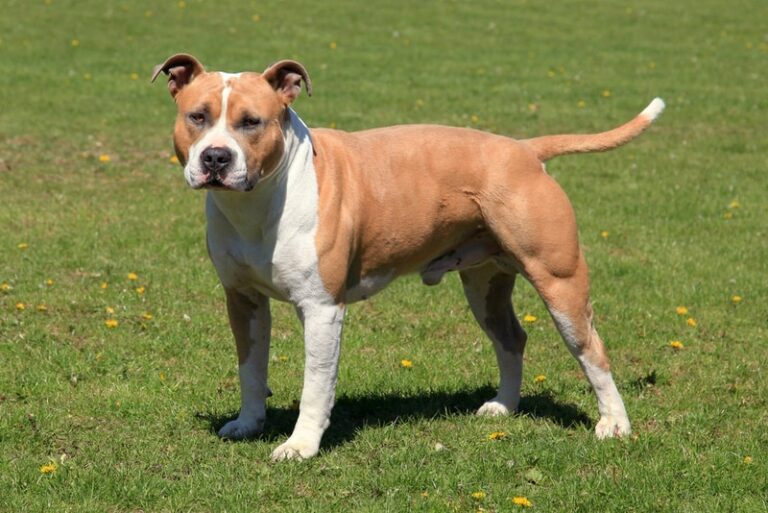
The Landseer: Gentle Giant of the Dog World

As a lifelong dog lover and veterinarian, I‘ve had the pleasure of working with many different breeds over the years. But few have captured my heart quite like the Landseer. With their striking black-and-white coats, massive size, and incredibly sweet temperaments, these gentle giants are truly special dogs.
If you‘re considering welcoming a Landseer into your life, you probably have a lot of questions. In this comprehensive guide, I‘ll cover everything you need to know about this magnificent breed, from their physical characteristics and history to their grooming needs and health concerns. By the end, you‘ll have a clear picture of whether the Landseer is the right dog for your home and lifestyle. Let‘s dive in!
Breed Overview
The Landseer is a color variant of the Newfoundland breed, characterized by a white base coat with black markings. According to the Newfoundland Club of America, ideal Landseer markings include a black head with or without a white muzzle and blaze, a black saddle over the back, and black on the rump and tail.
Landseer males typically stand 30-32 inches tall at the shoulder and weigh a hefty 130-150 pounds. Females are somewhat smaller at 26-28 inches and 100-120 pounds. But size alone doesn‘t tell the whole story. Landseers are also incredibly muscular and powerful, with broad chests, strong legs, and webbed feet that make them excellent swimmers.
Despite their imposing presence, Landseers have relatively short lifespans even for a giant breed. On average, they live just 8-10 years according to a 2004 Kennel Club breed health survey. However, some factors like genetics, diet, and lifestyle can influence longevity. The oldest known Landseer was a female named Gina who lived to be 15 years and 4 months old.
Landseer History
The Landseer‘s origins are closely intertwined with the Newfoundland breed, which developed on the island of Newfoundland in Canada. It‘s believed that the Landseer color variant arose from crosses between Newfoundlands and other white-and-black dogs like the Great Pyrenees and Poodle.
In the 1800s, European fanciers began selectively breeding for the distinctive Landseer coloration. Much of the breed‘s popularity can be attributed to Sir Edwin Landseer, an English painter famous for his dog portraits. His 1838 painting "A Distinguished Member of the Humane Society" featured a black-and-white Newfoundland dog rescuing a child, capturing the breed‘s gentle nature and water rescue abilities.
For many years, Landseers and black Newfoundlands were considered the same breed. According to the American Kennel Club, it wasn‘t until 1960 that the Fédération Cynologique Internationale recognized the European Landseer as a separate breed. To this day, the AKC and Canadian Kennel Club classify Landseers simply as a color variety of the Newfoundland.
Temperament
One of the Landseer‘s most endearing qualities is their sweet, gentle personality. They are famous for being patient and tolerant with children, making them excellent family dogs. Veterinary behaviorist Dr. Ian Dunbar ranks the Newfoundland (and by extension the Landseer) as one of the least aggressive breeds based on bite statistics.
Landseers are also very sociable dogs that crave human companionship. They don‘t do well if left alone for long periods and can develop separation anxiety. As natural followers, they aren‘t a great choice for first-time dog owners or people who can‘t provide consistent leadership.
While Landseers aren‘t especially territorial, they will bark to alert their family to approaching strangers. Their size alone is usually enough to deter intruders even though they aren‘t actual guard dogs. Obedience training is essential to maintain control over such a large, strong breed.
Interestingly, a 2008 study in the Journal of Veterinary Behavior found that Newfoundlands (including Landseers) are more likely than other breeds to greet strangers with submissive behaviors like crouching and tail tucking. The researchers suggest this may be an adaptation to their large size, signaling to humans that they are friendly and non-threatening.
Exercise and Training
Landseers have moderate exercise needs for a giant breed. While they don‘t require hours of intense activity, they do need regular walks and playtime to stay physically healthy and mentally stimulated. Aim for at least an hour of exercise daily, broken up into shorter sessions.
As puppies, it‘s crucial not to over-exercise Landseers, as this can damage their developing joints. Stick to brief, low-impact activities like swimming and short walks on soft surfaces. Wait until they are at least 18 months old to start jogging or hiking with them.
When it comes to training, Landseers are intelligent and eager to please but can have a stubborn streak. They respond best to positive reinforcement with lots of praise and treats. Harsher methods like punishment or domination will only make them confused and anxious.
Socialization is also critical for this breed, especially given their size. A well-socialized Landseer will be confident and friendly rather than fearful or aggressive in new situations. Exposing them to a variety of people, animals, sounds, and environments from an early age will help them develop into well-adjusted adults.
Many Landseers excel in dog sports and working roles that showcase their strength, agility, and trainability. They can make wonderful therapy dogs, visiting hospitals and nursing homes to provide comfort and affection. Some even compete in obedience trials, water rescue tests, and cart-pulling events.
Grooming
With their thick, water-resistant double coats, Landseers have fairly high grooming needs. Weekly brushing is a must to prevent mats and tangles and control shedding. They will blow their coats twice a year, requiring daily brushing during these periods.
Regular baths every 1-2 months will help keep the Landseer‘s coat and skin healthy. Use a mild shampoo designed for dogs to avoid drying out their natural oils. Be prepared for a lengthy drying process, as their dense undercoat can trap a lot of moisture.
In addition to coat care, Landseers need their nails trimmed every 3-4 weeks, their ears checked and cleaned weekly to prevent infections, and their teeth brushed daily if possible. Grooming can be a bonding experience for you and your dog, so make it a positive experience with plenty of treats and praise.
If you‘re not confident in your ability to groom your Landseer yourself, consider hiring a professional groomer familiar with the breed. Expect to pay $75-150 per session, depending on your location and the services required.
Health Concerns
Like many large and giant breeds, Landseers are prone to certain health issues that prospective owners should be aware of. Some of the most common include:
- Hip dysplasia – a malformation of the hip joint that can cause arthritis and lameness. According to the Orthopedic Foundation for Animals, 23.7% of Newfoundlands (including Landseers) are affected.
- Elbow dysplasia – a similar condition affecting the elbow joint. 15.1% of Newfoundlands are affected per OFA statistics.
- Dilated cardiomyopathy – a heart condition that causes the heart muscle to weaken and enlarge. A 2017 study in the Journal of Veterinary Cardiology found that Newfoundlands have a higher prevalence of DCM than other breeds.
- Gastric dilatation volvulus (bloat) – a life-threatening condition in which the stomach fills with gas and twists on itself. Giant breeds like the Landseer are at increased risk.
- Cruciate ligament rupture – tearing of the knee ligament that can cause lameness and arthritis. Newfoundlands have a reported incidence of 8.6 cases per 1000 dogs.
The best way to minimize the risk of these and other health problems is to choose a reputable breeder who performs health screenings on their breeding dogs. The Newfoundland Club of America requires hip and elbow evaluations, heart exams, and cystinuria testing for their member breeders.
Providing your Landseer with a high-quality diet, maintaining a healthy weight, and scheduling regular vet check-ups can also help prevent or catch health issues early. Advances in veterinary medicine mean that many conditions can be managed successfully with proper care.
Fun Facts
- The Landseer is an excellent water rescue dog thanks to their webbed feet, muscular build, and dense coat that insulates them from cold temperatures. Historical records show that Newfoundland dogs were used to rescue drowning sailors off the coast of England in the early 1800s.
- According to the Guinness Book of World Records, the largest Newfoundland on record was a male named Boomer who weighed 180 pounds and measured over 6 feet from nose to tail tip. While not a Landseer specifically, he showcases the impressive size of the breed.
- Celebrity Landseer owners include Emily Blunt and John Krasinski, who had a beloved Landseer named Finn. After his passing in 2016, Krasinski posted a touching tribute to him on Twitter, calling him "a friend and a brother."
- The dog who played Nana in the original stage productions of Peter Pan was a Landseer named George. He was known for his gentle demeanor and ability to tolerate being dressed up in a nursemaid costume.
- In 2018, a Landseer named Frankee made headlines for saving a drowning man off the coast of Croatia. Her owner, a local diving instructor, had taught her to rescue people as part of her training.
Finding a Landseer
If you‘ve decided that a Landseer is the right breed for you, the next step is finding a reputable breeder or rescue organization. Unfortunately, the Landseer‘s rarity means that they are often targeted by puppy mills and backyard breeders looking to make a quick profit.
Some red flags to watch out for when searching for a Landseer breeder include:
- No health clearances on breeding dogs
- Refusing to let you meet the puppies or parents in person
- Offering puppies under 8 weeks old
- Selling multiple breeds or designer mixes
- Pressuring you to make a quick decision or put down a deposit
A responsible Landseer breeder will be happy to answer your questions, provide references, and allow you to visit their facility. They should prioritize the health and temperament of their dogs over profit and be committed to placing puppies in appropriate homes.
Expect to pay $1500-3000 for a Landseer puppy from a reputable breeder. While this may seem steep, keep in mind that the breeder has likely invested significant time and money into health testing, socialization, and veterinary care for their litters.
If you prefer to adopt, there are a handful of Landseer and Newfoundland rescue organizations across the country. These groups take in surrendered or abandoned dogs and work to match them with loving forever homes. Adoption fees are typically much lower than buying from a breeder, ranging from $200-600.
Final Thoughts
As someone who has had the privilege of sharing my life with Landseers, I can attest to their incredible loyalty, affection, and gentle spirits. They are truly special dogs that bond deeply with their families and bring joy to everyone they meet.
That said, I also know firsthand the challenges of owning a giant breed. Landseers require a significant investment of time, energy, and resources to thrive. They need plenty of space, regular exercise, grooming, and veterinary care to stay healthy and happy.
If you have the patience, commitment, and lifestyle to meet a Landseer‘s needs, you will be rewarded with an unparalleled companion. Few things compare to the feeling of a massive Landseer head resting on your lap or the sound of their deep, comforting "roo-roo-roo" vocalizations.
To all the fellow dog lovers out there considering a Landseer, I encourage you to do your research, choose a reputable breeder or rescue, and prepare to have your heart stolen by a gentle giant. Trust me – you won‘t regret it!