15 Teddy Bear Dog Breeds: Pictures, Facts, & History

15 Adorable Teddy Bear Dog Breeds: A Comprehensive Guide (2024)
Teddy bear dogs have taken the canine world by storm with their irresistible cute looks and cuddly personalities. With their round button eyes, fluffy coats, and sweet expressions, these pint-sized pooches look like they‘ve jumped straight out of a child‘s toy box. If you‘re considering welcoming a real life teddy bear pup into your home, read on for an in-depth look at the most popular teddy bear dog breeds.
What Exactly Is a Teddy Bear Dog?
The term "teddy bear dog" doesn‘t refer to a single breed, but rather encompasses a variety of purebred and mixed breed dogs that share a similar teddy bear-like appearance. Common physical traits include:
- Small to medium size (typically under 20 lbs)
- Round, domed head and short muzzle
- Large, round expressive eyes
- Soft, fluffy coat that may be curly, wavy or straight
- Compact, sturdy body
- Baby doll face with an endearing expression
In addition to looking like adorable plush toys, teddy bear dogs tend to have winning personalities. They are known for being affectionate, sociable and adaptable companion dogs that thrive on human interaction. While their exact temperament will vary by breed, most teddy bear dogs share a gentle, friendly and playful disposition.
The Fascinating Origins of Teddy Bear Dog Breeds
Many of today‘s most popular teddy bear dogs have intriguing histories that span the globe. Some, like the ancient Lhasa Apso and Shih Tzu, were developed centuries ago as royal watchdogs and companions in palaces of Tibet and China. Others, like the Bichon Frise, have a more checkered past – from being used as sailing dogs to performing as circus dogs.
More recently, the teddy bear dog craze has given rise to numerous "designer dogs" – purposefully crossbred pups like the Pomapoo, Schnoodle and Cavachon created to achieve that perfectly cute teddy bear look. While some argue that designer breeding is unethical, proponents believe it can produce the best traits of both parent breeds in one dog.
The Most Popular Teddy Bear Dog Breeds
Bichon Frise
Affectionately known as powder puffs, the Bichon Frise charms everyone with its merry disposition and cottony-white curls. Beneath the showy exterior lies an intelligent, curious and affectionate family dog. Daily brushing is a must to prevent matting.
Pomeranian
Tiny but mighty, Pomeranians pack a lot of personality and fluff into a 3-7 lb body. These foxy-faced toys are alert, inquisitive and love being the center of attention. Regular brushing keeps their double coat looking lush and thick.
Shih Tzu
Shih Tzus may look like dainty couch ornaments, but they‘re surprisingly spunky and energetic. Bred as companions for Chinese royalty, Shih Tzus bond closely with their owners and make cheerful, adaptable house pets. Daily brushing and regular trims are musts.
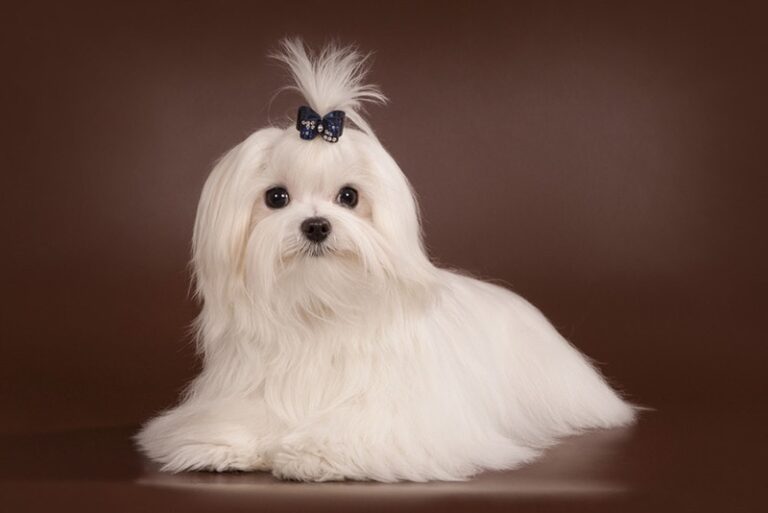
Maltese
Graceful and elegant, the pure white Maltese has been a prized lapdog for over 2800 years. Sweet, gentle and playful, they make excellent city dogs but require consistent grooming and dental care.
Lhasa Apso
Originally from the monasteries of Tibet, the Lhasa Apso served as interior sentinel dogs sounding the alarm. Today, they still retain a stubborn, independent streak but make devoted and protective companions. Regular brushing prevents matting of the long coat.
Chow Chow
The only large breed to make the teddy bear list, the powerful Chow Chow looks like a real-life teddy with its bear-like build, lion‘s mane ruff and scowling expression. Chows are dignified, serious and aloof with strangers but deeply loyal to their families.
Some of the Most Popular Teddy Bear Mixes
Maltipoo (Maltese x Toy/Miniature Poodle)
The ultimate lap dog, the Maltipoo bonds strongly with its family and loves to be doted on. Its soft, scruffy coat is considered hypoallergenic and sheds very little. Maltipoos need moderate exercise and lots of human interaction.
Morkie (Maltese x Yorkshire Terrier)
Tiny but tenacious, the Morkie inherits the feisty terrier spirit of the Yorkie parent. They make excellent watchdogs and are happiest when they‘re the sole focus of your attention. Regular brushing and trimming keeps the silky coat manageable.
Cavachon (Cavalier King Charles Spaniel x Bichon Frise)
With the gentle, affectionate nature of the Cavalier and the playful, social personality of the Bichon, the Cavachon is the perfect teddy bear family dog. They are highly adaptable and do well even in apartments.
Cockapoo (Cocker Spaniel x Poodle)
One of the first "designer dogs", the Cockapoo has been a popular pick since the 1960s. Intelligent, trainable and happy-go-lucky, they come in a variety of colors and sizes. Their coats can range from tight curls to soft waves.
Schnoodle (Schnauzer x Poodle)
Alert, agile and smart, Schnoodles inherited the Schnauzer‘s protective instincts and the Poodle‘s high trainability. They come in a range of sizes from 6-76 lbs and make excellent watchdogs. Regular clipping keeps the wiry coat neat.
Sheepadoodle (Old English Sheepdog x Poodle)
One of the larger teddy bear mixes, the Sheepadoodle has the shaggy, bouncy coat of the Sheepdog and the smarts and trainability of the Poodle. They are active, exuberant dogs that need lots of exercise and training.
Shorkie (Shih Tzu x Yorkshire Terrier)
The bold, bossy Shorkie is a big dog in a tiny body. What they lack in size, they make up for in personality and spunk. Their long, silky coats need regular brushing and trimming to prevent tangles and keep them looking teddy-like.
Teddy Bear Dog Care: Grooming
Many teddy bear dogs have medium to long coats that require regular brushing and trimming to prevent painful mats and tangles. Some long-coated breeds like Shih Tzu, Lhasa Apso and Maltese need daily brushing. Regular haircuts keep them looking neat and teddy bear-like.
Some mixes like the Maltipoo, Schnoodle and Cockapoo may have the low-shedding poodle-type coat that requires professional clipping every 6-8 weeks. While frequently touted as "hypoallergenic", no dog is truly 100% non-shedding or allergen-free.
In addition to coat care, it‘s important to keep your teddy bear dog‘s nails trimmed, ears cleaned, teeth brushed and anal glands expressed to prevent health and hygiene issues. Small breeds are especially prone to dental disease.
Training and Exercise Needs
Don‘t let the cute faces fool you – teddy bear dogs still need training, socialization and daily exercise to be well-behaved family members. Some clever mixes like Schnoodles and Cockapoos excel at obedience and agility, while more stubborn types like Lhasa Apso need patient, consistent training.
While they may be small, teddy bear dogs still need daily walks and playtime to stay physically and mentally stimulated. Aim for at least 30 minutes of exercise per day, breaking it up into shorter 10-15 minute sessions for tiny pups.
Socialization is key for all dogs, but especially for teddy bear dogs who may be anxious or timid around new people and situations. Expose your pup to positive new experiences like puppy classes, dog parks, and meeting different people from an early age.
Potential Health Concerns
Like all purebred and mixed breed dogs, teddy bear breeds may be prone to certain inherited health issues. Conditions seen in various teddy bear breeds include:
- Patellar luxation (dislocated kneecaps)
- Tracheal collapse
- Dental disease
- Progressive retinal atrophy
- Portosystemic shunt (liver)
- Skin allergies
- Brachycephalic airway syndrome (Shih Tzu)
- Legg-Calve-Perthes disease (Maltese, Schnauzers)
When selecting a teddy bear puppy, choose a reputable breeder who performs health testing on parent dogs and provides a written health guarantee. Avoid puppy mills and pet stores. With proper care and preventive vet check-ups, many teddy bear dogs enjoy long healthy lifespans of 12-16 years.
Conclusion
Whether you prefer sassy and spirited or calm and cuddly, there‘s a teddy bear dog breed to melt your heart. From purebreds with centuries-old histories to designer dogs purposefully bred for cuteness, teddy bear pups pack a lot of personality into pint-sized packages.
While undeniably adorable, teddy bear dogs are still dogs that require proper care, training, grooming and veterinary attention. Their cute faces and small size can lead to behavior issues if they‘re overly coddled and under-socialized.
If you‘re willing to invest the time and effort into raising a well-rounded canine companion, a teddy bear dog can bring immense joy and love into your life for many years to come. Just be prepared for your pup to steal the spotlight everywhere you go – that teddy bear charm is impossible to resist!