How Long Do Puggles Live? Puggle Lifespan and Longevity Factors
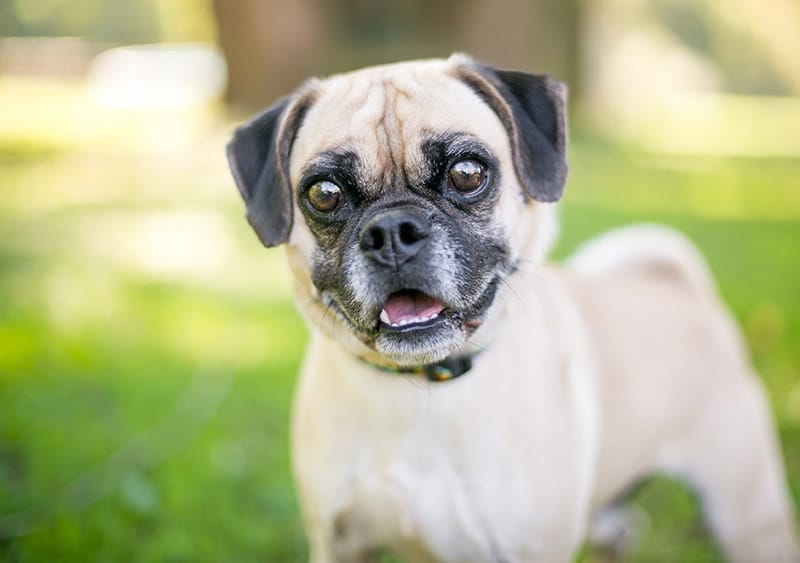
As devoted puggle owners, one of the first questions we tend to ask is, "How long will my beloved dog live?" Puggles, a wildly popular designer dog breed crossed between a pug and a beagle, have won the hearts of dog lovers worldwide since their development in the 1990s. These charming, spunky little dogs with the wrinkly brows and big soulful eyes seem to possess "superpowers" – they‘re friendly with everyone, adapt to any home environment, and have a special knack for making their owners laugh and feel loved.
It‘s no wonder that celebrities like Uma Thurman, Kelly Osbourne, and Jake Gyllenhaal have all fallen under the puggle spell. But while puggles have many endearing qualities, concrete information about their lifespan and health is still emerging. As a relatively new crossbreed without the centuries of history of purebreds like beagles and pugs, puggles are a bit of a mystery when it comes to longevity.
Most experts predict puggles will live somewhere in the range of 10 to 15 years. Beagles tend to have a lifespan of 10 to 15 years, and pugs average between 12 to 15 years. Therefore, a puggle‘s life expectancy likely falls near that 10-15 year range as well.
Of course, many factors influence how long an individual puggle will actually live. Understanding these key elements can help puggle owners take steps to maximize their dog‘s health and lifespan. Let‘s take a closer look at the primary determinants of puggle life expectancy.
Puggle Lifespan Factors
Genetics and Family History
As with any dog, a puggle‘s genes play a major role in determining their lifespan. Some families of dogs inherently live longer than others. According to a 2018 study of over 15,000 dogs in Japan, beagles with at least one parent who lived past 15 had a median lifespan of 13.9 years, vs. just 13.2 years for beagles whose parents both died before age 15.
So puggle lovers should ask their breeder about the lifespan of their puppy‘s parents, grandparents, and other relatives. Reputable puggle breeders carefully screen their pugs and beagles for genetic issues before mating them, and will be transparent about any health conditions in a pup‘s family tree. Choosing a puggle from a line of long-lived, healthy dogs can boost the odds of having a puggle who celebrates many birthdays.
Size
In general, small dogs live longer than large and giant breeds. Researchers believe this is because big dogs age faster and are more prone to age-related illnesses like cancer and osteoarthritis.
Puggles typically weigh just 15-30 pounds and stand 13-15 inches tall at the shoulder, putting them in the small-to-medium size category. In a 2022 analysis of over 30,500 dogs seen at U.K. veterinary clinics, dogs weighing less than 22 pounds had the greatest life expectancy at 12.5 years. Dogs over 44 pounds averaged only 9 years. So puggles‘ compact size bodes well for a longer lifespan compared to bigger pooches.
Diet and Exercise
A nutritious diet and active lifestyle can have a big impact on puggle longevity. A landmark 2002 study by Purina found that Labrador retrievers fed 25% less than their free-fed littermates lived a median 1.8 years longer. And research from 2018 shows that overweight dogs have up to 2.5 years shorter lifespans than lean dogs.
Veterinary nutritionists recommend feeding puggles a high-quality dog food formulated for their life stage (puppy, adult, or senior). The Association of American Feed Control Officials (AAFCO) sets nutrient standards dog foods should adhere to. Look for a food with the AAFCO statement on the label and a named meat protein like chicken or lamb as the first ingredient.
As for portion sizes, every puggle is a bit different. "Feeding guides on the bag are just a starting point," says Dr. Stephanie Goley, a veterinarian at Metro Vet in Little Rock, Arkansas. "Assess your dog‘s body condition score and adjust their portions up or down as needed to keep them at an ideal weight. And don‘t forget to account for treats in their daily calorie count."
Puggles may be little, but they still need plenty of exercise – at least 30 to 60 minutes per day, according to the Puggle Club of America. Brisk walks, backyard play sessions, and dog sports like agility and rally obedience can all help keep puggles physically fit and mentally stimulated.
Preventive Veterinary Care
The American Animal Hospital Association (AAHA) recommends all dogs visit the veterinarian at least annually for a comprehensive wellness exam. Puggles should have their first vet visit within a few days of coming home as a puppy and return every 3-4 weeks until 16 weeks old for vaccines and deworming. After that, yearly exams are sufficient for healthy adult puggles until they reach their senior years around age 8-10. Then, the AAHA advises switching to twice-yearly vet visits.
During a puggle‘s annual exam, the vet will assess them from nose-to-tail, administer any vaccines due, run labwork, and discuss parasite prevention and nutrition. Routine vet visits allow any health issues to be detected and treated early before they can impact a puggle‘s longevity. According to Banfield Pet Hospital‘s 2023 State of Pet Health Report, dogs who see the vet 2+ times per year live on average over 2 years longer than dogs who only go to the vet for vaccines or when sick.
"Keeping up with preventive care is one of the most powerful tools puggle owners have to help their dogs live longer," says Dr. Goley. "It allows us to catch diseases in their earliest, most treatable stages and keep dogs protected from deadly illnesses like parvovirus and heartworm disease."
Common Puggle Health Issues
All dog breeds are predisposed to certain health issues, and puggles are no exception. As a hybrid of two breeds, puggles can inherit disorders common to either beagles or pugs. Being aware of these health risks can help puggle owners stay vigilant and intervene early if their dog shows signs of a problem.
Brachycephalic Airway Syndrome (BAS)
Pugs are the quintessential flat-faced, big-eyed breed. Puggles who inherit these brachycephalic facial features are at risk of BAS – anatomic abnormalities that impair their breathing. A 2022 Australian study found that 22% of pugs suffered from stenotic nares (narrowed nostrils) and 65% had an elongated soft palate partially blocking their windpipe.
Signs of BAS in puggles include noisy breathing, snoring, snorting, gagging, panting, difficulty eating, and collapse after exercise. Keeping brachycephalic puggles at a lean weight, in air-conditioning during hot weather, and using a harness instead of a neck collar can all help minimize breathing distress. In severe cases, surgery to open the nostrils and trim the palate can vastly improve quality of life.
Eye Problems
Those big, bulging puggle eyes are adorable but prone to injury and disease. Pugs and puggles are at high risk of proptosis (eye dislocation), corneal ulcers, dry eye, and pigmentary keratitis (brown spots on the cornea). One study found that over 15% of pugs go blind as a result of eye disease.
Puggle owners should watch for any redness, squinting, discharge, or cloudiness in their dog‘s eyes and see the vet promptly if noted. Artificial tears and antibiotics often resolve dry eye and corneal ulcers if caught early. Untreated, eye disorders can lead to permanent vision loss and a poorer quality of life.
Hip Dysplasia
Hip dysplasia, or abnormal formation of the hip joint, commonly affects both beagles and pugs. It leads to arthritis, pain, limping, and difficulty rising and jumping. The Orthopedic Foundation for Animals estimates that 15-25% of beagles and 62% of pugs have hip dysplasia.
Puggle breeders can screen their dogs for hip dysplasia using hip x-rays before breeding them to reduce the risk of passing the disorder on. For puggles diagnosed with hip dysplasia, keeping them lean and providing joint supplements like glucosamine and NSAIDs can manage pain. The most severe cases may require total hip replacement surgery.
Hypothyroidism
Hypothyroidism, or an underactive thyroid gland, is the most common hormone imbalance in dogs. Both beagles and pugs frequently develop low thyroid hormone levels, putting their puggle offspring at risk too. A 2022 study from Japan found that 8% of beagles had hypothyroidism.
Signs of hypothyroidism in puggles include unexplained weight gain, lethargy, hair loss, dry skin and coat, and recurrent skin and ear infections. Left untreated, the condition can lead to serious complications like heart disease. Hypothyroid puggles require lifelong thyroid supplementation, but the pills are inexpensive and highly effective at restoring hormone balance.
How Long Do Puggles Live Compared to Other Dogs?
The puggle‘s expected lifespan of 10-15 years puts them right in the middle of the pack compared to other popular dog breeds. Here‘s how puggles measure up:
| Breed | Average Lifespan |
|---|---|
| Chihuahua | 12-20 years |
| Yorkshire Terrier | 13-16 years |
| Pug | 12-15 years |
| Beagle | 10-15 years |
| Puggle | 10-15 years |
| Labrador Retriever | 10-14 years |
| German Shepherd | 7-10 years |
| Great Dane | 6-8 years |
While not as long-lived as toy breeds like Chihuahuas who can push 20, puggles handily outdo many medium and large dogs in the longevity department. Careful breeding, attentive care, and a little luck can push puggles toward the top end of their 10-15 year range.
Puggle Lifespan and Quality of Life
Maximizing a puggle‘s lifespan is a worthy goal, but just as important is ensuring a high quality of life in their golden years. Puggles are considered seniors around 8-10 years old. Common signs of aging include graying fur, cloudy eyes, hearing loss, lumps and bumps, and slowing down.
"Puggles age at different rates, but all senior dogs benefit from a few simple lifestyle adjustments," says Dr. Goley. "Feed a senior diet, go on shorter but more frequent walks to avoid overtiring them, add carpet runners and ramps to help them navigate slippery floors and stairs, and see the vet at least twice yearly to nip any health issues in the bud."
Puggle owners should treasure the twilight time with their pets and spoil them accordingly. Puggles who feel loved and secure maintain a wonderful quality of life even as their bodies decline. No one knows how many days they have, but making each one special creates a lifetime of cherished memories.
Top Tips to Help Puggles Live Longer
Puggle parents can be proactive in helping their pups live long, healthy lives. Here are some veterinarian-approved tips:
- Keep puggles slim with portion control and regular exercise. Extra pounds steal precious time.
- Feed a complete and balanced AAFCO-approved dog food.
- Brush puggles‘ teeth daily and schedule annual dental cleanings to prevent periodontal disease, a major source of heart and kidney infections.
- See the vet at least yearly (ideally twice yearly for seniors) for wellness exams, vaccines, and screenings.
- Provide mentally stimulating toys and games to keep aging puggles‘ minds sharp. Puzzle feeders are great for this!
- Use glucosamine and chondroitin supplements to support joint health, especially in puggles with hip dysplasia.
- Test thyroid levels in middle-aged and senior puggles to detect hypothyroidism early.
- Consider health tests like hip and eye exams for your puggle, particularly from a rescue or unknown background.
- Most of all, shower your puggle with affection! The unconditional love and joy a puggle brings is truly life-extending.
Conclusion
As puggle lovers, we would give anything for our darling dogs to live forever. But while no puggle has yet claimed the record for world‘s oldest dog (held by an Australian cattle dog named Bluey who lived to 29 years!), our snuggle-bugged best friends can still enjoy long, rich lives. The 10-15 year average puggle lifespan gives plenty of time for mischief, cuddles, and memory-making.
Ultimately, a puggle‘s life expectancy comes down to a combination of genetics, diet, exercise, and preventive care. While we can‘t control the genes our puggles inherit, we can take steps to keep them in tip-top shape with a healthy lifestyle and regular vet visits. Knowing the red flags for common puggle health issues allows us to intervene quickly and get our pups the care they need.
From fluffy, awkward puppyhood to distinguished old age, every stage of a puggle‘s life holds its own joys and challenges. Perhaps the greatest gift we can give our puggles is to be fully present for each moment, whether we have 10 years or 15 together. After all, it‘s not the years in a life, but the life in the years. By loving our puggles fiercely, caring for them faithfully, and appreciating them daily, we may just discover that a puggle‘s lifespan feels like forever after all.