
18 Dogs with High Prey Drives & Tips for Raising Them (History, Facts & Pictures)

Dogs With High Prey Drives: Understanding Their Instincts and How to Manage Them
Does your dog love to chase squirrels, rabbits, or even the family cat? You likely have a canine with a strong prey drive on your hands. A prey drive refers to a dog‘s natural inclination to locate, pursue and capture prey.
In the wild, predatory behaviors like stalking, chasing, grabbing, biting and shaking are hardwired instincts that help canines survive by catching their next meal. Today‘s domesticated dogs, though they no longer need to hunt for food, still retain these primal urges to varying degrees depending on their genetics.
The intensity of a dog‘s prey drive is usually determined by their breed. Certain groups, like terriers, hounds, and herding dogs, were developed to excel at hunting or controlling other animals, so a strong prey drive can be an asset. But in a pet dog, a high prey drive can lead to behavior challenges if not properly understood and managed.
By learning about what motivates your driven dog, and channeling their energy in positive ways, you can harness their natural instincts and enjoy a rewarding partnership. Let‘s dig deeper into the world of high prey drive dogs and how to help them thrive.
Recognizing a High Prey Drive
Prey drive encompasses a sequence of five behaviors:
-
Searching/Seeking – Actively looking for prey with eyes, ears and nose. The dog is fully alert and focused.
-
Stalking/Chasing – Crouching down low, creeping up on prey and then taking off in a burst of speed to pursue a moving target.
-
Biting/Grabbing – Using a wide open mouth and teeth to clamp down on prey and pull it down or back to the handler. There‘s usually head shaking too.
-
Killing Bite – Specialized bite targeting vital areas to dispatch prey quickly.
-
Consuming – Eating or dissecting the captured prey.
Not all prey-driven dogs will display the full prey sequence or with the same intensity. Some may just like to chase, while others have a strong instinct to bite and dissect. It depends on what the breed was originally developed for.
Signs of a high prey drive can show up early in puppies – an intense focus on moving objects, crouching and chasing, grabbing and shaking toys. This drive usually comes to full force by 6-8 months old.
While all dogs have some prey drive, those with an especially high drive will become very excited by squirrels, cats, and fast moving objects. They‘ll often whine, bark, and lunge while on leash if they spot something they want to chase. The trigger can toss them into "tunnel vision" mode where they ignore everything else, even their owner.
Genetics and Reasons for High Prey Drive
Ancient canines depended on their prey drive for survival. Predatory behaviors allowed them to hunt down food and feed their young. As humans domesticated dogs, they harnessed these natural drives and bred certain dogs to specialize in hunting, herding, vermin control, and other pursuits involving chasing and catching prey.
Scent hounds, like Beagles and Bloodhounds, were bred to sniff out small game. Sighthounds, such as Greyhounds and Salukis, used their speed and vision to course down rabbits and hare. Terriers‘ job was to locate and dispatch rats and other vermin. Herding breeds channeled their prey drive into stalking and chasing sheep.
So a high prey drive was a desirable, even necessary trait for many dogs throughout history. Even though most dogs today are companion animals, selective breeding means prey drive remains hardwired into many popular breeds.
Benefits and Challenges of High Prey Drive Dogs
There‘s no doubt a strong prey drive can pose challenges for pet parents. Dogs that are easily triggered to chase can be difficult to control on walks, hikes, or at the dog park. Their laser focus on moving objects means they often ignore their owner‘s cues. This can put them in danger of running into traffic or getting into altercations with other animals.
Dogs with high prey drive need a huge amount of daily physical exercise and mental stimulation. A bored, under-exercised high prey drive dog will make their own fun by digging, chewing, and escaping in search of an outlet for their drive.
Homes with cats, rabbits, and other small pets should think carefully about getting a high prey drive puppy, as they can seriously injure or kill smaller animals if their chase instinct takes over. Introducing a driven adult dog to cats is especially risky.
That said, a high prey drive isn‘t all bad. These dogs tend to be very intelligent, trainable, athletic, and hardworking. They often excel at dog sports like agility, flyball, disc, and barn hunt. Driven dogs are stars at nose work and tracking too. Many make incredible working dogs for search and rescue, detection, and much more.
With the right training and outlets, a high prey drive dog can be an active, fun-loving addition to the family. The key is understanding what motivates them and channeling that drive in positive, controlled ways.
Top Dog Breeds Known for High Prey Drive
While many different types of dogs can have a strong prey drive, some breeds top the list. If you‘re considering one of these breeds, be ready for the high exercise needs and training challenges that come with a driven dog:
- Terriers (Jack Russell Terrier, Airedale, Fox Terrier, etc.)
- Hounds (Beagle, Bloodhound, Basset Hound, Afghan Hound, etc.)
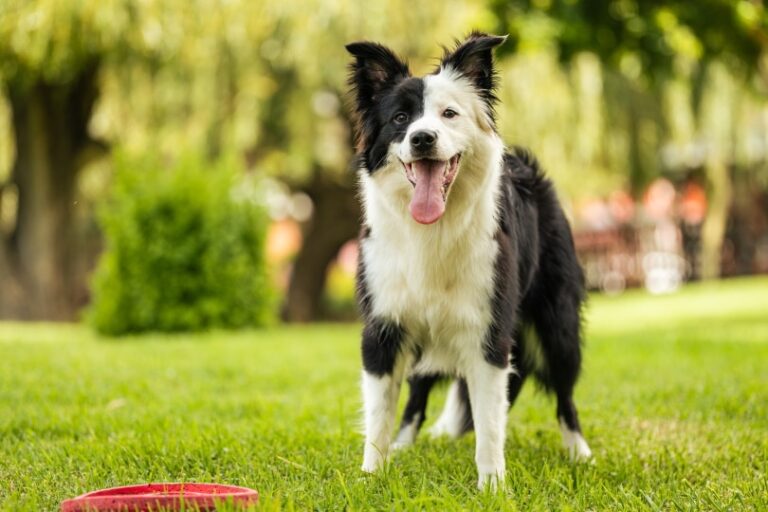
- Herding Dogs (Australian Shepherd, Border Collie, German Shepherd, Belgian Malinois)
- Sporting Dogs (Labrador Retriever, Golden Retriever, Pointer, Vizla, Weimaraner)
- Sighthounds (Greyhound, Whippet, Saluki)
- Husky type dogs (Siberian Husky, Alaskan Malamute)
Of course, prey drive can vary between individual dogs within a breed. Breed is a generalization, not a guarantee. The best way to gauge prey drive is to observe the puppy or dog and see how intense their focus is on moving objects.
How to Train and Manage a High Prey Drive
Living with and training a high prey drive dog takes commitment, consistency, and creativity. But for those up to the challenge, driven dogs make highly engaged, exciting companions. Here are some tips for channeling your dog‘s drive successfully:
-
Exercise, exercise, exercise.
High prey drive dogs are athletes that need strenuous daily activity, both physical and mental. Run, hike, swim, or bike with your dog to burn their abundant energy. Consider dog sports that cater to their natural instincts. -
Use positive reinforcement.
Harsh corrections will shut down a sensitive, driven dog. Instead, set them up to succeed and reward them with high-value treats, toys, and praise. Make yourself more exciting than chasing prey. -
Play to their strengths.
Satisfy your dog‘s desire to chase, hunt and problem-solve with fun games. Try a flirt pole, hide-and-seek, nose work, or trick training. Let them chase and catch toys, not inappropriate targets. -
Teach a bombproof recall.
Coming when called, even with major distractions, is a must for high prey drive dogs. Practice often in increasingly distracting environments until it‘s reliable. High-value treats and a long leash are your friends. -
Invest in secure fencing.
Dogs with a strong chase drive need physical barriers to keep them from taking off after prey. Make sure fences are at least 6-feet tall, flawless, and unclimbable. -
Keep on leash.
When out in the world, keep your driven dog leashed so you can prevent them from chasing cars, bikes, and wildlife. A well-fitting harness gives you more control than a flat collar. Even if your dog has a good recall, prey instincts can easily overrule training. -
Use positive exposure.
Help your dog learn to calmly co-exist with their triggers by gradually exposing them to the stimulus (cat, skateboard, etc.) and rewarding them for calm behavior. Go slow to avoid overwhelming your pup and increasing their excitement.
With these strategies, you can help your high prey drive dog stay safe and thrive. Managing their needs is a challenge, but also immensely rewarding as you watch your dog‘s natural abilities shine.
Living with Cats and Other Pets
It is possible for high prey drive dogs to peacefully co-exist with cats and other small pets, but it takes dedicated training and a slow, careful introduction. Puppies are easier to train to accept cats, as they‘re still developing their prey instincts.
With an adult dog, closely supervise all interactions and keep the pets separated when you‘re not actively working with them. Never leave them alone together unattended.
Teach your dog that calm behavior around the cat earns them praise and treats. Correct any fixation or chasing with redirection onto a toy or other reward. With repetition and consistency, many dogs can learn to ignore or even befriend cats. Just remember that management is still key; a strong prey instinct can take over even in well-trained dogs.
It‘s important to note that some dogs may never be reliable around cats or other pets, no matter the training. Genetics are powerful, and some individuals are simply hardwired with an intensity of prey drive that can‘t be fully overridden. Honestly assessing your dog‘s progress and thresholds is important for everyone‘s safety.
The Importance of Early Socialization
One of the best ways to set your high prey drive puppy up for success is thorough socialization from a young age. Expose them to as many new sights, sounds, people, animals, and situations as possible in a positive way.
Let them observe cats, bunnies, squirrels, and other prey animals from a distance, rewarding them for calm behavior. Introduce them to skateboards, bikes, joggers, and other common triggers. Make it fun with praise, play, and treats.
Building your puppy‘s confidence and showing them the world is full of friends, not foes, can help balance out their natural drive. Just remember to go at your puppy‘s pace and keep things upbeat. Socialization isn‘t about flooding them with stimuli, but allowing them to have positive experiences with new things.
While socialization is most crucial during the 3-12 week puppy window, it‘s a lifelong endeavor. Even adult dogs can learn to let go of some of their preyiness and build confidence with patient, consistent training.
The key is being proactive. Don‘t wait for your high prey drive dog to start obsessing over the neighbor‘s cat or take off after a squirrel. Give them appropriate outlets for their needs early and often, so chasing the wrong thing is less tempting.
Caring for high prey drive dogs is certainly more work than your average lap dog. They require more exercise, training, and management to keep them and everyone around them safe. But for experienced owners willing to put in the time, these dogs are often whip smart, enthusiastic, athletic companions.
With an understanding of what makes our driven dogs tick, and a commitment to positive training, we can channel their instincts in fun, safe ways. Whether your canine chases balls or bunnies, flies over agility jumps or sniffs out hidden treats, embrace their natural abilities. Meet their needs, and you‘ll be rewarded with an engaged, exciting, trainable dog that lives life to the fullest beside you.



)