The Noble and Ancient Chow Chow: A Breed Shaped by its Working History
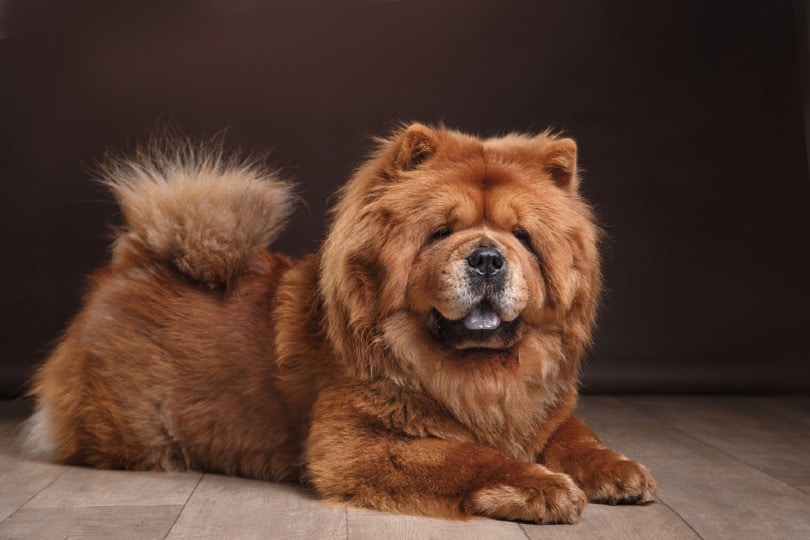
As a lifelong dog lover and student of canine history, I‘ve always been fascinated by the chow chow. This regal and distinctive breed, with its bear-like head, lion‘s mane ruff, and blue-black tongue, seems to carry an air of ancient wisdom and dignity. And indeed, the chow chow is one of the oldest dog breeds in existence, with a lineage stretching back thousands of years to China‘s Han Dynasty.
But what were these majestic dogs originally bred for? The answer lies in a long and varied working history that shaped the chow chow into the loyal, protective, and somewhat aloof companion we know today. From palace guardian to big game hunter to intrepid sled dog, the chow chow has left an indelible pawprint on the world of dogs.
An Ancient Breed of China
The exact origins of the chow chow are lost to time, but we know from archaeological evidence that dogs resembling chows existed in China as early as 206 BC. Statues, paintings, and pottery from the Han Dynasty depict a sturdy, spitz-type dog with a thick ruff of fur around its head and neck – unmistakably the chow chow.
Some scholars believe the chow chow descended from mastiff-type dogs that were crossed with spitz-type dogs in Siberia and Mongolia, then gradually moved southward into China. Others theorize the breed originated in the southern regions of China and migrated northward. Regardless of their precise origin point, chow chows proliferated throughout China and into Mongolia, where their strength, hardiness, and thick coats made them ideally suited to a variety of demanding jobs.
A Versatile Working Dog
So what sort of work did these early chow chows perform? Historical records and accounts paint a picture of a highly versatile breed that served in myriad roles:
-
Hunting: With their keen senses, powerful jaws, and fearless natures, chow chows made formidable hunting partners. They were used to pursue everything from pheasants and hares to larger, more dangerous quarry like wild boar, deer, and even bears and tigers. In the book "Dogs of China and Japan in Nature and Art," author V.W.F. Collier describes the use of chow chows in big game hunting, noting their ability to chase down and hold prey until the hunter arrived.
-
Guarding: The chow chow‘s imposing appearance, deep bark, and natural suspicion of strangers made them excellent guardians. They watched over homes, farms, and livestock, sounding the alarm at any sign of danger. In imperial China, chow chows even guarded palaces and temples. During the Tang Dynasty (618-907 AD), one emperor was said to have kept 2,500 "puffy-lion dogs," likely chow chows, as palace guardians.
-
Herding: With their strong herding instincts, chow chows were used to control and move flocks of sheep and goats in the highlands of Mongolia and northern China. Their bulky coats protected them from the elements during long days out on the range.
-
Sledding: The chow chow‘s strength, endurance, and dense double coat made it well-suited to life as a sled dog in Siberia and other cold regions. Marco Polo wrote of the dogs he observed pulling sleds in China in the 13th century, which were probably chow chows or a closely related spitz-type breed.
Sadly, chow chows were also sometimes bred for their fur, which was used to make coats, and for their meat, which was eaten in some parts of China. However, many chows enjoyed positions of prestige and favor as companions to nobles and emperors.
Physical Characteristics
The chow chow‘s distinctive physical traits are a testament to its working history. Its thick double coat, with a woolly undercoat and coarse outer coat, provided insulation against freezing temperatures and protection from rough terrain. The breed‘s sturdy, muscular build and deep chest gave it the stamina and power needed for long days of hunting, herding, and pulling.
The chow‘s unique head shape, with a broad, flat skull and short, deep muzzle, houses a set of strong jaws once used to grip prey and fend off predators. Its small, triangular ears and deeply set eyes contribute to an alert, scowling expression that could strike fear into the heart of any would-be intruder.
And of course, there‘s the chow chow‘s most famous feature: its blue-black tongue. The breed shares this trait with only a few other dogs, like the Chinese shar-pei. While theories abound about the origins and purpose of the chow‘s blue tongue – from ancient folklore claiming it resulted from the dog licking up drops of the night sky as it was painted, to modern hypotheses about extra pigmentation – its true evolutionary reason remains a charming mystery.
Temperament and Personality
The chow chow‘s working history as a hunter, guardian, and herder has heavily influenced its temperament. Chows are known for their independent, somewhat aloof nature. While extremely devoted to their families, they can be reserved or even suspicious with strangers, a holdover from their days as palace guards and protectors.
As pack animals, chow chows have a strong sense of hierarchy and may try to assert dominance, making early training and socialization essential. They are not typically fawning or overtly affectionate dogs, but rather express their loyalty through quiet companionship.
Chow chows have a well-earned reputation for being protective of their people and territory. Their guarding instincts, combined with their powerful build and deep bark, make them excellent deterrents to intruders. However, with proper training and socialization, chows can learn to distinguish between real threats and normal social interactions.
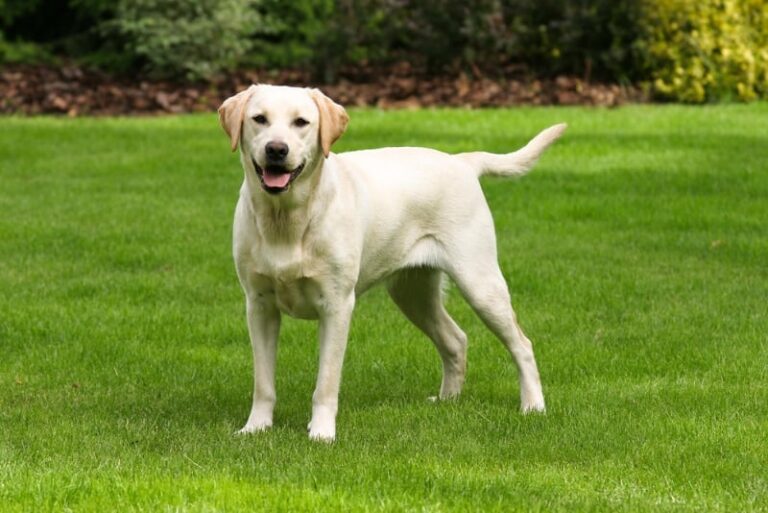
Like many spitz breeds, chows have a streak of independence and can be stubborn at times. They are intelligent problem-solvers, but may not always be eager to please their humans in the same way as more biddable breeds like Labrador retrievers or golden retrievers. Positive reinforcement training is key to harnessing the chow‘s innate intelligence and willingness to learn.
Health and Lifespan
As with many purebred dogs, chow chows can be prone to certain health issues, some of which are related to their conformation and history. These include:
- Hip dysplasia: Like other large breeds, chows can be prone to this painful joint condition. Responsible breeders screen for hip dysplasia to avoid passing it on.
- Entropion: The chow‘s deeply set eyes are prone to this condition where the eyelids roll inward, causing irritation. Surgery may be required to correct it.
- Allergies: Chows can be prone to allergies, both environmental and food-related. Regular grooming and a high-quality diet can help manage allergies.
- Thyroid issues: Hypothyroidism is not uncommon in the breed.
With proper care and screening, chow chows can enjoy a lifespan of 8-12 years on average.
Popularity and Famous Owners
Chow chows have experienced waves of popularity over the centuries. They were beloved by Chinese nobles and emperors as early as the Han Dynasty, and later became cherished pets in England and Europe in the late 1800s, especially after Queen Victoria acquired a chow in 1865.
In the United States, chows gained popularity in the late 1800s and remained a fairly common breed throughout the 20th century. They experienced a surge in the 1980s, peaking as the 6th most popular breed in 1986 according to AKC registration statistics. While their numbers have since declined (they ranked 75th in 2021), chows still boast a devoted following.
Several famous figures throughout history have been chow chow owners. Sigmund Freud had a beloved chow named Jo-Fi who attended therapy sessions with him. President Calvin Coolidge and his wife kept two chow chows named Timmy and Blackberry in the White House. More recently, Martha Stewart, Vanna White, and Janet Jackson have all had pet chows.
The Importance of Understanding a Breed‘s History
As a dog lover and owner, I believe it‘s crucial to understand the history and original purpose of a breed before bringing one into your home. A dog‘s breed history can tell you so much about what to expect in terms of temperament, energy level, trainability, and potential health issues.
With a breed as ancient and storied as the chow chow, that history is particularly illuminating. The chow‘s past as a hunter, guardian, and working dog in the often harsh conditions of China and Mongolia has gifted the breed with a set of traits that still shine through today: a strong protective instinct, a degree of aloofness with strangers, a powerful build, and a lush coat adapted to cold climates.
Of course, not every modern chow chow will be a carbon copy of its ancestors. Generations of breeding have softened some of the more hardwired instincts, and individual dogs within a breed always have their own unique personalities. But understanding the chow chow‘s working roots can help potential owners decide if the breed is a good fit for their lifestyle and prepare to meet the breed‘s needs.
A Lifelong Chow Lover‘s Perspective
I had the privilege of growing up with a chow chow named Samson, and I can attest to the breed‘s many wonderful qualities. Samson was a dignified, discerning dog who was never effusive in his affections, but showed his devotion in subtler ways: always keeping a watchful eye on us, following us from room to room, and leaning his considerable bulk against our legs as we sat on the couch.
He was also a born guardian. No squirrel, mailman, or neighborly dog dared cross into his yard without an impressive display of barking and posturing. Yet with his family and those he deemed worthy of his trust, Samson was a gentle, patient soul who tolerated ear tugs from overzealous toddlers and lap naps from visiting grandparents with equal aplomb.
Owning Samson taught me so much about the importance of respecting a dog‘s inherent nature while shaping its behavior through positive training. He could be stubborn at times, and had a mind of his own, but he was also incredibly intelligent and eager to learn when motivated by praise and play. Brushing out his lush double coat became a soothing ritual for both of us, a quiet bonding time where he would lean into the brush and sigh with contentment.
While a chow may not be the right fit for every owner or every home, those who have the privilege of sharing their lives with this ancient, regal breed often find themselves enamored for life. There is something both humbling and awe-inspiring about caring for a dog with a history that stretches back millennia, a living link to a time when humans and canines first forged the unbreakable bond that persists to this day.
As we look to the future of the chow chow, it‘s vital that breeders work to preserve the best of the breed‘s traits while minimizing inherited health issues. Owners and potential owners must educate themselves on the breed‘s needs and quirks, and be prepared to provide the training, socialization, and care these special dogs require.
With knowledge, compassion, and a deep respect for their history, we can ensure that the magnificent chow chow continues to thrive as a beloved companion and a living testament to the enduring partnership between humans and dogs. Through the ages and across the miles, from the palaces of ancient China to the living rooms of modern homes, the chow chow abides – a noble, ancient, and utterly unforgettable breed.