Are Border Collies Prone to Anxiety? Understanding This Brilliant Breed
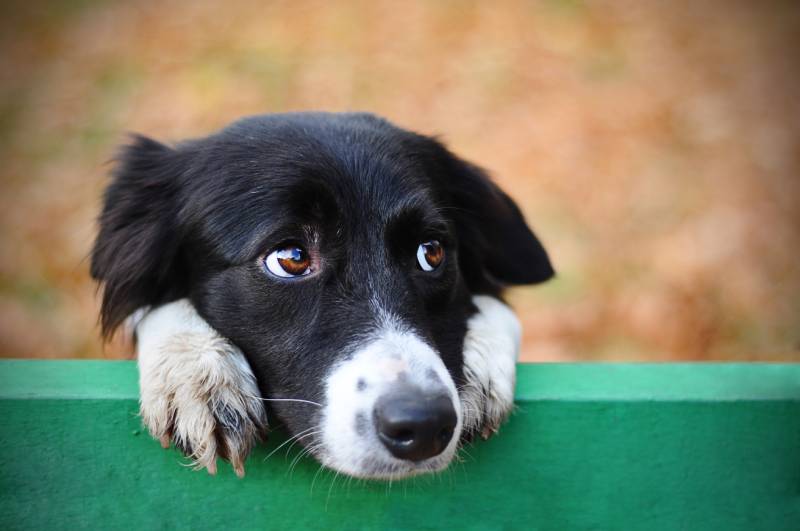
Border collies are often cited as the world‘s smartest dog breed, and for good reason. With their keen intelligence, boundless energy, laser-sharp focus, and uncanny ability to learn complex tasks, border collies are in a league of their own. However, living with such a clever canine is not without its challenges. The same traits that make border collies superstars at herding and obedience can also predispose them to anxiety.
As a veterinarian and lifelong dog lover, I have a deep appreciation for the unique minds and vibrant spirits of border collies. I‘ve also seen firsthand how much they can struggle when their intense exercise and enrichment needs are not met. When border collies‘ busy brains are not kept occupied, anxiety can quickly set in, leading to distressing and destructive behaviors.
In this article, we‘ll delve into why border collies are prone to anxiety, what signs to watch for, and most importantly, what caring BC owners can do to help their brilliant pups feel balanced and content. My goal is to equip you with evidence-based information and insights to set your border collie up for success. With the right tools and approach, you can channel your border collie‘s incredible mental and physical abilities in positive ways and avoid anxiety pitfalls. Let‘s jump in!
Anxiety Comes with the Territory for Many Border Collies
Anxiety is one of the most common behavior issues I see in my canine patients, and border collies are overrepresented in my exam room. According to a study in the Journal of Veterinary Behavior, border collies have a higher prevalence of canine compulsive disorder than other breeds. Repetitive tail chasing was the most frequently observed compulsive behavior in BCs (Moon-Fanelli, Dodman & Cottam, 2011).
Another study found that compared to labrador retrievers, border collies scored significantly higher for behaviors related to fear, anxiety, and environmental sensitivity (Hsu & Serpell, 2003). While anxiety statistics for border collies vary between studies, there‘s no question this driven, workaholic breed is at elevated risk.
So what‘s behind border collies‘ anxiety? The answer lies in both nature and nurture. The very traits that make border collies excel as herding dogs – hyperfocus, swift reactions, strong sensitivity – can easily tip over into anxiety without proper physical and mental stimulation.
Border collies were bred for generations to work closely with humans controlling large flocks of sheep, a demanding job requiring immense stamina, intelligence, and trainability. The dogs that were best at this work – the ones with the highest drive, greatest desire to please, and strongest attachment to their owners – were bred to produce the next generation. The end result is a dog hardwired to be in near constant motion with an intense need for a job.
Fast forward to modern times and most border collies are companion dogs rather than working sheepdogs. But while their lifestyles have changed, border collies‘ strong genetic drives have not. A walk around the block and belly rub at night simply won‘t cut it for most BCs. Without a constructive outlet for their physical and mental energy, border collies quickly become anxious and neurotic.
This working breed‘s strong herding instincts can also morph into obsessive behaviors without proper exercise and training. It‘s not uncommon for under-stimulated border collies to frantically chase anything that moves – cars, bikes, joggers, you name it. Some spend their days running the fence until their paws are raw, convinced they must control everything beyond the yard. These aren‘t "bad dogs", they‘re border collies desperate to have a purpose.
In addition to their sky-high exercise needs, border collies‘ extreme attachment to their humans is both a blessing and a challenge. Most border collies do best with near constant human companionship. They live to be with their special person 24/7. This is great for active owners wanting a velcro dog, but it can be a recipe for separation anxiety. Many border collies panic when left alone, overwhelmed by feelings of abandonment and distress.
The final piece of the anxiety puzzle for border collies is their sensitive souls. BCs pick up on the smallest gestures and subtlest emotional cues. They notice everything and never forget a frightening experience. The wrong tone of voice or a scary encounter with another dog can stay with them forever. Early socialization is key to help border collies gain the confidence to navigate life without constant worry.
As you can see, a perfect storm of breed traits and lifestyle factors explain why so many border collies develop anxiety. But for devoted owners willing to go the extra mile, there are effective ways to keep even the most brilliant border collie calm and content. Read on for my top tips and favorite tools to prevent and manage anxiety in border collies. Your pup will thank you!
How to Spot Signs of Anxiety in Border Collies

Anxiety can manifest in border collies in many different ways. Here are some of the most common signs I see:
-
Hypervigilance: Anxious border collies are always on high alert, scanning their environment for potential threats. The slightest sound or movement sends them into red alert.
-
Reactivity: Border collies with anxiety often overreact to things most dogs take in stride, like strangers at the door, garbage trucks, or other dogs on walks. Barking, lunging, growling, and hiding are common fear responses.
-
Destructive behaviors: Chewing up furniture, digging craters in the yard, or shredding the couch cushions can all be signs a border collie‘s anxiety is boiling over. Idle paws often get anxious BCs in trouble.
-
Shadow and light chasing: Many anxious border collies become fixated on shadows, reflections, and flashes of light, convinced they must control these "intruders." They may spend hours chasing around a glint of sunlight.
-
Inability to settle: Border collies with anxiety are often in constant motion, pacing, circling, and unable to relax even after strenuous exercise. A busy mind keeps their body in overdrive.
-
Mouthing and nipping: Anxious border collies may resort to inappropriate herding behaviors like nipping at heels and using their mouth to move their "flock", including kids, other pets, and visitors.
-
Extreme clinginess: Following you from room to room, insisting on being in physical contact 24/7, and getting distressed anytime you‘re out of sight are red flags for separation anxiety in border collies.
-
Frequent pacing and patrolling: When anxious border collies aren‘t glued to your side, they‘re often found walking the perimeter of their house or yard on high alert. They may patrol for hours and have difficulty breaking the pattern.
-
Avoidance and hiding: Border collies with anxiety may cope by withdrawing under beds, behind furniture, or in their crates when overwhelmed. They‘re often hesitant to come out even for meals or attention.
-
Restlessness at night: Anxiety can disrupt border collies‘ sleep/wake cycles, leading to late night pacing, panting, whining, and repeatedly asking to go outside. A stressed BC rarely sleeps soundly.
Of course, any dog can display some of these behaviors from time to time. But if you‘re seeing a recurring pattern of multiple anxiety signs, it‘s time to take action. Reach out to your veterinarian to rule out medical causes and discuss treatment options. For moderate to severe anxiety cases, a consultation with a board certified veterinary behaviorist is often the fastest path to progress.
Strategies to Prevent Anxiety in Border Collies
An ounce of prevention is truly worth a pound of cure when it comes to anxiety in border collies. In my experience, the BCs least likely to develop anxiety share these lifestyle factors:
-
Lots of daily aerobic exercise: Border collies were born to run and their exercise needs are higher than any dog breed I know. The American Kennel Club recommends at least 1-2 hours of heart-thumping, lung-expanding exercise for border collies every single day. Think running, swimming, hiking, biking, and playing hard at the dog park. For most BCs, a leashed walk around the block simply won‘t cut it.
-
Regular training sessions and mental enrichment: Exercising border collies‘ agile minds is every bit as important as moving their bodies to stave off anxiety. I advise my BC clients to dedicate at least 20-30 minutes per day to brain games like obedience training, nose work, puzzle toys, and trick training. Even practiced in short bursts throughout the day, these focused activities work wonders for anxious border collies.
-
Slow and systematic socialization: Border collies have strong opinions and long memories, so it‘s crucial to introduce them to new people, animals, and experiences gradually and positively, especially during the critical puppyhood socialization window between 3 and 16 weeks old. Well-run puppy socialization classes are a great way to build a border collie‘s confidence and social skills in a safe setting. Go at your BC‘s pace and never force interactions.
-
Predictable daily routines: Border collies thrive on structure and consistency. Sticking to a set schedule for meals, exercise, training, play, and rest each day helps keep anxiety at bay. If changes to the routine are necessary, try to implement them slowly. Abrupt disruptions are much harder on sensitive BCs.
-
Relaxation and decompression time: With their intense drive to work and go-go-go mentality, border collies rarely put themselves in rest mode. It‘s up to us to carve out downtime where BCs can just be dogs. I‘m a big fan of long "sniffaris" where the only goal is to let your dog stop and smell to their heart‘s content. These leisurely jaunts are often more mentally tiring for border collies than any agility course.
-
Crate training and alone time practice: Border collies are so focused on their humans that being separated from them doesn‘t come naturally. Crate training gives BCs a safe den to retreat to when they need a break or you need to leave them home alone. Start with very short periods in the crate while you‘re still home and build up slowly as your BC adjusts. Puzzle toys and long-lasting chews help them associate alone time with good things.
-
Positive reinforcement training only: Border collies aim to please, but they also have soft personalities. Harsh corrections and punishment-based training techniques are likely to make even well-adjusted BCs shut down and become anxious and afraid. Science shows positive training methods that focus on rewarding wanted behaviors are both more effective and better for border collies‘ mental health. If you‘re not sure where to start, enlist a certified professional dog trainer (CPDT) for guidance.
By incorporating these preventive strategies into your border collie‘s daily life, you‘ll set them up for emotional stability and success. Of course, even with the best laid plans, some BCs will still develop anxiety. But these same lifestyle practices can also work wonders for border collies already struggling with anxiety. When in doubt, think exercise, enrichment, and training – the pillars of a happy, healthy border collie.
Helping An Anxious Border Collie Feel Better

If despite your best prevention efforts, your border collie is still showing signs of anxiety, don‘t despair. With patience, consistency, and often some professional guidance, anxiety is very treatable in border collies. Here‘s a roadmap to improving your BC‘s mental well-being:
Step 1: Rule out medical issues. Some health conditions like hypothyroidism, encephalitis, and chronic pain can present with anxiety symptoms. Any sudden onset or worsening of anxiety warrants a visit to your veterinarian for a full work-up.
Step 2: Implement daily management strategies. The preventive tips we discussed above – ample exercise, mental enrichment, positive training, alone time practice, decompression walks – become even more crucial for anxious border collies. Commit to doing them daily.
Step 3: Target problem behaviors with desensitization and counter-conditioning (DSCC). For border collies with fear or reactivity issues, a professional trainer or veterinary behaviorist can coach you through DSCC protocols to gradually reframe your dog‘s emotional response to their specific triggers. The keys are working under threshold, using high-value rewards, and progressing at your BC‘s pace.
Step 4: Consider anxiety aids. From soothing pheromones and compression wraps to remote treat dispensers and calming nutraceuticals, there are many tools that may take the edge off anxiety for border collies. Discuss the options with your vet to find the right fit for your dog.
Step 5: Talk to your vet about medication. For border collies with severe, impairing anxiety that‘s not responding to training and management alone, anti-anxiety medications can be life-changing. From fast-acting situational drugs to daily preventives, there are many safe, effective options that can help regulate your BC‘s brain chemistry and get them in a better headspace to learn new coping skills.
Remember, there‘s zero shame in seeking professional help for an anxious border collie. I‘ve seen far too many BCs relinquished to shelters or living sad shadows of their full lives because their owners felt guilty or embarrassed about their dog‘s anxiety. With the brilliant minds and big hearts border collies have, they deserve all the support we can give to keep them emotionally healthy.
If there‘s just one message I hope you take away, it‘s that anxiety is not a life sentence for border collies. The intense drive, laser-sharp focus, and human attunement that predispose BCs to stress are the same traits that, when channeled positively, make them the most extraordinary companions. Engage their minds, move their bodies, celebrate their quirks, and watch them thrive. There‘s truly no other dog quite like a border collie – and that‘s what makes loving them such a gift.
References
- Hsu, Y., & Serpell, J. A. (2003). Development and validation of a questionnaire for measuring behavior and temperament traits in pet dogs. Journal of the American Veterinary Medical Association, 223(9), 1293-1300.
- Moon-Fanelli, A. A., Dodman, N. H., & Cottam, N. (2011). Blanket and flank sucking in Doberman Pinschers. Journal of the American Veterinary Medical Association, 231(6), 907-912.