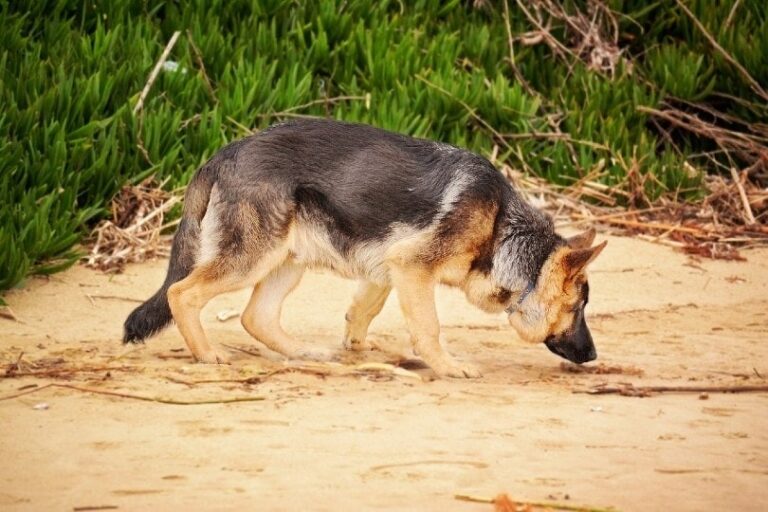
Tri-Colored Australian Shepherd: Facts, Origin, Pictures & History

The Striking Tri-Colored Australian Shepherd: A Comprehensive Guide
Have you ever seen an Australian shepherd with a stunning tri-colored coat and wondered about this eye-catching breed? The black, white, and copper pattern is a hallmark of the Aussie and contributes to their reputation as one of the most beautiful of all dog breeds. But there‘s a lot more to these rugged herding dogs than their pretty faces. Let‘s take an in-depth look at the origin, history, traits and care requirements of tri-colored Australian shepherds.
What is an Australian Shepherd?
The Australian shepherd is a medium-sized herding breed recognized for their intelligence, agility, strong work ethic, and lush coats. Contrary to what their name suggests, the breed as we know it today was developed in the western United States, not Australia, likely in the 19th century.
According to breed standards, male Australian shepherds stand 20-23 inches tall at the shoulder and weigh 50-65 pounds, while females are slightly smaller at 18-21 inches tall and 40-55 pounds. They have slightly longer than tall bodies, triangular folded ears, almond-shaped eyes that can be blue, brown, amber or any combination, and long furry tails that are sometimes naturally bobbed.
The Aussie coat is a defining breed characteristic. It‘s medium length and straight to wavy with a weather-resistant undercoat and coarser outer coat. The breed standard recognizes four main colors: black, blue merle, red, and red merle. All colors may have copper/tan points and white markings.
The tri-color pattern, seen in black Aussies, consists of a predominantly black coat with white markings on the chest, neck, face, legs and belly, and tan or copper points above the eyes, on the cheeks, chest, and on the legs. The contrast of the three colors is striking and makes for a very flashy dog.
History and Original Purpose
The Australian shepherd‘s history is a bit of a mystery. The most commonly accepted theory is that they descended from the herding dogs used by Basque shepherds who emigrated from Australia to the western United States in the 1800s. It‘s thought that in their native Pyrenees Mountains between Spain and France, the Basques used dogs resembling the modern Australian shepherd for centuries to herd and guard sheep.
When the Basque shepherds sailed to Australia to raise sheep in the early 1800s, their faithful shepherd dogs came with them. Later, many of the Basque shepherds relocated to the western United States, again with their prized dogs in tow. Because the western ranchers and settlers associated these dogs with the Basque shepherds who came from Australia, they became known as Australian shepherds.
However, the breed as we know it today was developed and refined in the western U.S. Breeds like border collies, collies, sheepdogs, and perhaps others were likely crossed with the Basque dogs to create the Australian shepherd. The breed excelled at herding sheep and cattle on the vast ranges of the west and their popularity grew.
In the early-to-mid 1900s, a new career opened up for the Aussie. Rodeos became popular western entertainment and featured events like bull riding, calf roping, and barrel racing. The athletic, trainable Australian shepherd was a natural fit and their stunts, tricks, and performances in rodeo shows introduced the breed to a wider audience. This exposure launched them on the path to becoming one of the most popular companion dog breeds in the United States.
Although some Australian shepherds still work as ranch dogs, today they are best known as versatile family companions and competitors in canine events like obedience, agility, flyball, disc dog, dock diving, and more. The breed consistently ranks in the top 20 most popular breeds according to American Kennel Club registration statistics. In 2022, the Aussie ranked 12th out of 200 breeds.
Genetic Basis of Tri Colors
All Australian shepherds have the same base genetic coat color, called the agouti gene, which causes banded hairs that are black with tan or white tips. This base color is then modified by other genes that affect the expression and distribution of pigments.
The most common color genes in Australian shepherds are:
- Black (B) – Dominant black coloring that can be solid or mixed with tan and white
- Liver (b) – Recessive brown/liver coloring that modifies black to shades of brown
- Merle (M) – Dominant gene causing irregular patches of diluted pigment, creating a mottled appearance over the base color
- White Spotting (S) – White patches caused by the lack of pigment cells; the amount depends on whether the dog has one or two copies of this gene
- Tan Points (T) – Causes tan/copper points on black dogs; technically called black tricolor or black bicolor depending on amount of tan
To be considered a tri-colored Aussie, a dog must have the dominant black gene (so be black, not liver), plus white spotting and tan points. The black provides the dark background, upon which the white spotting and tan points create the contrasting three-color pattern.
Since the tan point gene only affects dogs that are black, not liver, tri-colored Aussies are always black dogs with white and tan, never liver/brown dogs. And because merle is a separate gene from tan points, tri-colored Aussies are never merle. The three official color varieties of tri-colored Aussies are:
- Black tri – Predominantly black with less than 50% white and tan points
- Black bicolor – At least 50% black with tan points and no white or very limited white
- Black tricolor – At least 50% black with white spotting and tan points
Breeding two tri-colored Aussies doesn‘t guarantee tri-colored puppies since genetics are complex. But ethical breeders will selectively breed dogs that conform to the breed standard to produce healthy puppies with correct structure and type, including color and markings.
Traits and Temperament
Tri-colored Australian shepherds share the same traits and temperament as all well-bred Aussies. First and foremost, they are intelligent, active, and energetic dogs that need a job to do, whether that‘s herding sheep, competing in agility, or learning tricks.
Aussies are often described as working dogs in a family dog‘s body. While they can be excellent companions for active households, they are not couch potatoes and are not a good fit for owners who just want a laid back house pet. These quick-witted dogs will make up their own entertainment if not given enough exercise and mental stimulation, which often manifests as problem behaviors like barking, digging, or chewing.
As herding dogs with strong guarding instincts, Australian shepherds can be territorial and aloof with strangers if not well socialized. Aussies have a tendency to bark at strange people, dogs, and noises, so training is a must to keep this behavior under control. With their families, they are affectionate, playful, and gentle, making them good companions for older children who can respect their boundaries.
Australian shepherds often bond very strongly with their owners and can be prone to separation anxiety if not taught to be alone. Aussies like to be with their special people all the time, whether that‘s on a hike, playing in the yard, or cuddling on the couch at the end of the day. They will be velcroed to your side as soon as you come home.
While every dog is an individual, in general Australian shepherds are:
- Extremely intelligent and trainable, often learning new commands in just a few repetitions
- Energetic and athletic, with the stamina to work all day and the agility to navigate any terrain
- Loyal and devoted to family, with strong guarding and watchdog instincts
- Reserved and wary of strangers, needing careful socialization to be accepting of unfamiliar people
- Bossy or nippy with kids, due to their hardwired instinct to chase and herd running children
- Demanding of time and attention; they do best with active owners who make them a central part of the household
Health and Care
Tri-colored Australian shepherds have the same grooming and care requirements as all Aussies. The most important thing to know is that their gorgeous double coats shed…a lot. Aussies shed heavily year-round and even more so when they blow their coats twice a year as the seasons change.
Weekly brushing is a must to keep the coat healthy and under control. Baths are only needed every month or two, unless your dog gets into something stinky. Frequent bathing can dry out the skin and disrupt the natural oils that keep the coat weatherproof and shiny.
Aussies are prone to ear infections due to their furry, floppy ears that trap moisture and wax. Check and clean the ears weekly to prevent painful infections. Dental disease is also a concern, so brush your dog‘s teeth daily or at least a few times a week to prevent tartar buildup.
Like many herding breeds, Australian shepherds are susceptible to certain genetic health problems, including:
- Hip dysplasia – Malformation of the hip joint that causes arthritis and lameness
- Elbow dysplasia – Malformed elbow joint that causes forelimb lameness
- Epilepsy – Neurological disorder that causes seizures
- Deafness – Inherited condition that is often linked to merle and excessive white coloring
- Cataracts – Opacity of the eye lens that causes blindness
- Collie Eye Anomaly – Group of eye disorders that can cause vision defects and blindness
- Multiple Drug Sensitivity (MDS) – Mutation of the MDR1 gene that causes adverse reactions to common drugs like ivermectin, loperamide, and acepromazine
Responsible breeders will screen their breeding dogs for genetic disorders and only produce litters from healthy parents. All dogs should be tested for Hip Dysplasia, Elbow Dysplasia, and inherited eye disorders before breeding. It‘s also wise to avoid merle-to-merle breedings, which have a 25% chance of producing so-called "double merles" that are prone to deafness and blindness.
With proper care and screening, Australian shepherds are generally healthy dogs with a lifespan of 12-15 years. The most important things you can do to support your Aussie‘s longevity are feeding a high-quality diet, keeping them fit with daily exercise, providing regular vet care, and giving them a loving forever home.
Is a Tri-Colored Australian Shepherd Right For You?
Australian shepherds are highly intelligent, devoted, and active companions that can make wonderful additions to the right home. Their tri-colored coats are certainly eye-catching, but it‘s important to learn about the breed‘s traits, temperament, and needs before deciding to bring one home based on looks alone.
Aussies need a lot from their owners in terms of time, energy, and commitment. They thrive with active, engaged owners who are willing to provide lots of daily exercise, ongoing training, and plenty of interaction. If you work long hours and just want a low-key pet to hang out with on the weekends, an Australian shepherd is probably not the ideal choice.
On the other hand, if you‘re looking for a smart, fun-loving adventure buddy that will be your shadow on hikes, swims, and trips to the park, an Aussie could be your new best friend. Aussies excel at canine sports and learning tricks, so they‘re an excellent match for people who want to get involved in agility, flyball, disc, and obedience. They‘re also keen watchdogs that will alert bark at any suspicious noises or people.
Grooming is another factor to consider. All that fluffy fur is definitely huggable, but it also finds its way onto clothing, furniture, and floors. Regular brushing is a must to keep loose hair under control. And you can forget about wearing black during shedding season!
If you have young children, Aussies may not be the best fit. They can be nippy with kids due to their herding instincts. Very young children may also inadvertently hurt a dog by pulling ears, stepping on paws, or grabbing fur. Aussies do best with dog-savvy older children, or babies and toddlers that are closely supervised.
Finding a Tri-Colored Australian Shepherd
When you‘ve decided that an Australian shepherd is the right dog for you, it‘s important to find an ethical breeder who focuses on health and temperament. Avoid getting an Aussie from a pet store or online seller, as these puppies often come from puppy mills or backyard breeders that don‘t screen for health problems.
Start your search by asking for recommendations from your vet, local herding clubs, or friends with Aussies. The Australian Shepherd Club of America (ASCA) and AKC breeder referral programs can also connect you with responsible breeders. Be prepared to wait for the right puppy, as most reputable breeders only produce a few litters a year.
When contacting breeders, ask about their dogs‘ health clearances, temperament tests, titles, and pedigrees. Responsible breeders will be happy to share this information and answer all your questions about the breed. They should allow you to visit their home or kennel to meet the puppies‘ parents and see how the dogs are raised.
Expect to pay $1,000 to $2,500 for a companion-quality Australian shepherd puppy. Dogs from champion show or working lines can cost even more. In addition to the purchase price, factor in the ongoing costs of food, vet care, grooming, training, and toys. Dogs are a lifetime commitment and not a decision to make on impulse.
Conclusion
Tri-colored Australian shepherds are striking dogs with the intelligence, work ethic, and athleticism to excel as working dogs, family companions, and canine sports partners. While their black, white, and tan coats are certainly beautiful, the most important thing is to choose a well-bred dog with a stable temperament and good health.
If you‘re considering a tri-colored Aussie, do your research to make sure this energetic, intelligent breed fits your lifestyle. Daily exercise, regular training, and plenty of interaction are essential to keeping an Aussie happy and well-behaved. Grooming is also a big commitment with their thick, shedding coats.
When you find the right Australian shepherd from a responsible breeder, you‘ll be rewarded with an active, devoted companion that‘s always up for an adventure. Whether you want to hike mountains, herd sheep, or just cuddle on the couch at the end of the day, a tri-colored Aussie will be by your side every step of the way.