
13 Health Problems in English Bulldogs & Treatments (Vet Answer)
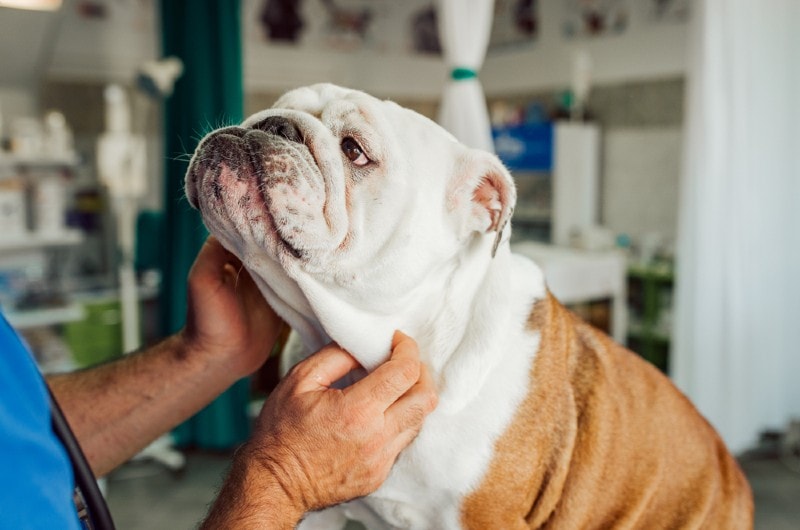
Adorable Wrinkles and Smooshed Faces: A Guide to English Bulldog Health
Introduction
With their distinct pushed-in nose, stocky build, and charming wrinkly face, the English Bulldog has won the hearts of many dog lovers. Their sweet, mellow personality makes them wonderful family companions. However, the exaggerated physical features that give the breed its unique look also make them prone to a number of health issues. If you already own an English Bulldog or are considering adding one to your family, it‘s crucial to educate yourself on the breed‘s common medical problems and how to help your wrinkly pup live their healthiest, happiest life. Let‘s take an in-depth look at what you need to know.
Breathing Difficulties
English Bulldogs are a brachycephalic breed, meaning they have a flat, wide skull shape giving them that adorable "smooshed" face. Unfortunately, this facial structure often leads to Brachycephalic Obstructive Airway Syndrome (BOAS). BOAS refers to a set of upper airway abnormalities that restrict a dog‘s ability to breathe properly, including:
- Stenotic nares: Narrowed or closed off nostrils
- Elongated soft palate: The soft tissue at the back of the roof of the mouth is too long and blocks the windpipe
- Everted laryngeal saccules: Small sacs inside the voicebox turn outward into the airway
- Hypoplastic trachea: The windpipe is narrower than normal
These abnormalities cause symptoms like noisy breathing, snorting, coughing, gagging, exercise intolerance, difficulty eating, and sometimes collapse. According to recent studies, over 50% of English Bulldogs suffer from clinically significant BOAS. While severe cases may require surgery, owners can help by maintaining their dog at a healthy weight, using a harness instead of a collar to avoid putting pressure on the neck, keeping their dog cool and calm, and avoiding hot/humid conditions that make breathing more difficult.
Eye Problems Galore
Those distinctive droopy eyes are another hallmark of the English Bulldog look. But did you know the breed‘s facial structure also makes them extremely prone to eye problems? Here are some of the most common eye issues seen in the breed:
- Entropion: The eyelids roll inward, causing eyelashes/facial hairs to rub on the surface of the eye. Entropion is very painful and usually requires surgery to correct.
- Cherry eye: The third eyelid, or nictitating membrane, pops out and looks like a red bump in the corner of the eye. The third eyelid contains a tear gland, so this condition can lead to dry eye if not surgically repaired.
- Dry eye: The eyes don‘t produce enough tears. Dry eye causes significant discomfort and can lead to corneal ulcers. It‘s often treated with lifelong medication to stimulate tear production.
- Distichiasis: Eyelashes grow in an abnormal location and rub on the eyeball, causing irritation. Treatment depends on severity.
As an English Bulldog owner, it‘s essential to check your dog‘s eyes daily for any redness, discharge, or discomfort and to see a vet promptly if you notice problems. While some eye issues like cherry eye can occur suddenly, conditions like entropion and distichiasis are usually present from a young age. This makes thorough eye exams an important part of puppy check-ups for the breed.
A Petri Dish Between Skin Folds
Another potential problem area on an English Bulldog is all those adorable wrinkles. While endearing, skin folds can trap moisture, debris, and bacteria, leading to infections. English Bulldogs are prone to:
- Skin fold dermatitis: Redness, irritation, and sometimes odor/discharge between the folds, especially on the face or vulva/prepuce
- Allergies: Can manifest as red, itchy skin, recurrent ear or paw infections
- Demodectic mange: Caused by overgrowth of the demodex mite, which normally lives on the skin in low numbers
Preventing skin fold infections requires a committed hygiene routine. Wrinkles should be wiped out and thoroughly dried daily. For dogs with deeper folds, you may need to use a skin-safe antiperspirant to reduce moisture. Ask your vet to demonstrate proper cleaning techniques and recommend cleansers. Regular ear cleaning and promptly treating any allergies or mange is also important for maintaining healthy skin.
Joint Pain and Lameness
The English Bulldog‘s compact, heavy body type puts excess stress on their joints. Combine this with their extremely flat face affecting development of the bones in their skull and you wind up with a breed that‘s sadly very prone to joint pain and lameness. Orthopedic issues commonly seen in English Bulldogs include:
- Hip dysplasia and elbow dysplasia: The hip or elbow joint forms improperly, causing pain and lameness. Arthritis often develops in the malformed joint over time.
- Luxating patella: The kneecap slips in and out of place as the dog walks.
- Intervertebral disc disease (IVDD): The spinal discs rupture or bulge, putting pressure on the spinal cord. Leads to pain, weakness, and sometimes paralysis. English Bulldogs are prone to IVDD in their neck.
- Hemivertebrae: The bones of the spine are malformed into a wedge-shape, causing an abnormal spinal curvature that affects mobility.
Keeping your English Bulldog slim and maintaining an appropriate exercise program are crucial for minimizing joint stress and pain. Non-weight bearing exercises like swimming are ideal. Providing soft, supportive bedding and using ramps can also help. Joint supplements containing glucosamine, chondroitin, and omega-3 fatty acids may help reduce inflammation. For dogs with more advanced osteoarthritis, your vet may recommend pain medications or joint injections. Severe cases of hip/elbow dysplasia or IVDD may require surgical treatment.
The Perils of Birth
Another issue related to the English Bulldog‘s body shape is difficulty giving birth, or dystocia. The combination of the dam‘s narrow hips/birth canal and the puppies‘ large heads and broad shoulders significantly increases the risk of problems during birth. One recent study found that over 80% of English Bulldog litters are delivered by C-section. If you‘re considering breeding your English Bulldog, it‘s absolutely essential to work with an experienced reproductive vet and have a scheduled C-section to prevent tragedy for the mother and pups.
Additional Health Concerns
On top of the health issues discussed above, English Bulldogs face an elevated risk for:
- Hypothyroidism: The thyroid gland doesn‘t produce enough thyroid hormone, leading to weight gain, lethargy, and skin problems. Managed with lifelong medication.
- Heart disease: English Bulldogs are prone to congenital cardiac disorders like pulmonic stenosis and septal defects.
- Cancer: Particularly lymphoma and mast cell tumors. Annual or biannual screenings are recommended for middle-aged and senior English Bulldogs.
Enjoying a Happy, Healthy Life with Your English Bulldog
While the list of health problems English Bulldogs are prone to may seem overwhelming, the good news is that a proactive approach can help your pup avoid many issues and enjoy a good quality of life. Some key tips:
- Thoroughly research breeders and only obtain a puppy from a responsible one who performs important health tests and prioritizes the well-being of their dogs.
- Establish care with a veterinarian knowledgeable about brachycephalic breeds. Maintain a regular checkup schedule and don‘t delay getting concerning symptoms checked out.
- Feed a high-quality, veterinarian-recommended diet and measure portions to maintain a healthy weight. Excess pounds significantly worsen many of the English Bulldog‘s health predispositions.
- Brush up on your wrinkle-cleaning skills and inspect those skin folds daily for any signs of trouble.
- Tailor your pup‘s exercise routine to their unique needs, providing enough activity to maintain fitness and muscle tone without pushing them past their limits or ability to breathe comfortably.
- Consider pet insurance to help manage the costs of both expected and unexpected health problems.
Conclusion
The English Bulldog‘s playful spirit, laid-back attitude, and intensely loyal nature have earned them a well-deserved place in the hearts and homes of many. While loving this breed does come with some added responsibility due to their health considerations, informed owners who work closely with their veterinarian can absolutely help their English Bulldogs thrive. By educating yourself about this unique breed and staying on top of preventative care and early intervention, you and your wrinkly buddy can enjoy many joy-filled years together.


)