
My Dog Ate Rat Poison: Here’s What to Do (Vet Answer)
How to Tell If Your Dog Ate Rat Poison: Recognizing the Signs and Getting Help
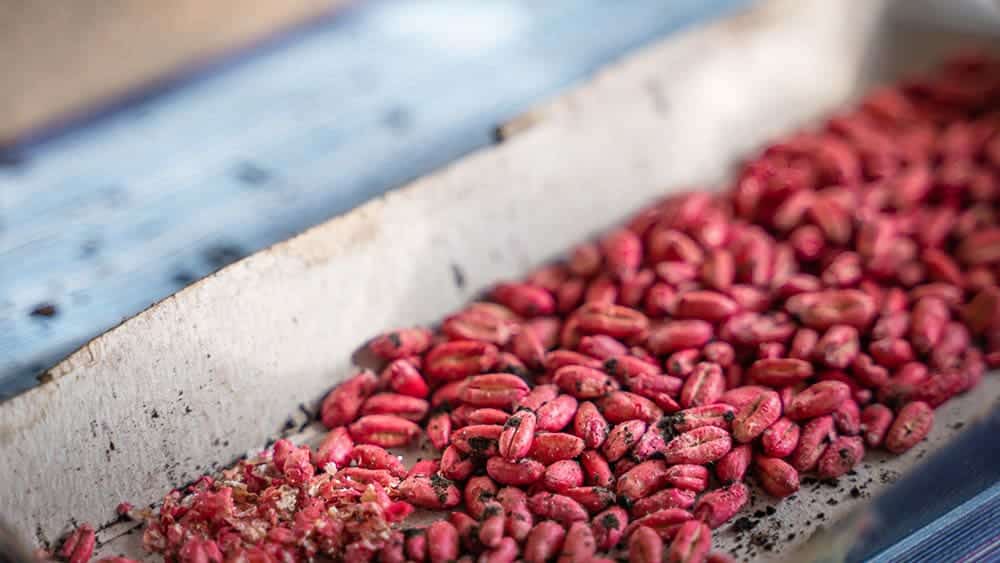
Rat poison, also known as rodenticide, is commonly used to control mice and rat infestations in homes, garages, and yards. Unfortunately, these toxic baits pose a serious risk to dogs who may find and eat them. Ingesting even a small amount of rat poison can be life-threatening for dogs, so it‘s crucial for pet owners to recognize the potential signs of poisoning and seek immediate veterinary care.
As a veterinarian and dog lover myself, I‘ve seen firsthand how dangerous rat poison exposure can be. The sooner treatment is started, the better the chances of survival and recovery. In this article, I‘ll go over what you need to know about rat poisoning in dogs, including the types of poisons, clinical signs to watch for, diagnostic testing, treatment options, and prevention tips.
Types of Rat Poisons
There are several different kinds of rodenticides available, each with a different active ingredient and mechanism of toxicity:
-
Anticoagulant rodenticides: The most common type, these rat poisons contain warfarin or similar compounds that interfere with blood clotting. Ingestion leads to internal bleeding. Common active ingredients include brodifacoum, bromadiolone, difenacoum, and diphacinone.
-
Cholecalciferol (vitamin D3): An increasingly popular alternative to anticoagulants, cholecalciferol causes hypercalcemia (elevated blood calcium). This leads to mineralization and organ damage, particularly to the kidneys, heart, GI tract and nervous system.
-
Bromethalin: This neurotoxic rodenticide can cause brain swelling, tremors, seizures, and paralysis. It does not have an antidote.
-
Zinc and aluminum phosphides: When ingested, these compounds react with stomach acid to release toxic phosphine gas. This leads to severe GI distress, cardiovascular collapse, and multi-organ failure.
Knowing the active ingredient is very important for diagnosis and treatment. However, if you don‘t have the packaging, your vet can often make an educated guess based on the clinical signs and lab work.
Signs a Dog Ate Rat Poison
The onset and type of symptoms depends on the active ingredient ingested. Here are some of the most common signs seen with the different types of rat poisons:
Anticoagulant rodenticides:
- Lethargy and weakness
- Pale gums
- Faster than normal breathing
- Coughing (especially of blood)
- Unusual bruising or bleeding
- Bloody urine or stool
- Bleeding from the nose, mouth, or rectum
- Swelling, especially in the joints
- Collapse
Signs may be delayed for 3-5 days while the poison depletes the body‘s supply of clotting factors. However, if you know or suspect your dog ate this type of poison, don‘t wait for symptoms to appear before getting help.
Cholecalciferol rodenticides:
- Lethargy and weakness
- Decreased appetite
- Increased thirst and urination
- Vomiting and diarrhea
- Abdominal pain and hunched posture
- Seizures
- Muscle tremors
- Disorientation
- Labored breathing
- Bad breath (due to kidney failure)
Symptoms often develop within 12-36 hours and worsen over 2-3 days as the kidneys fail.
Bromethalin rodenticides:
- Incoordination and wobbliness
- Muscle tremors and seizures
- Hyperexcitability and vocalization
- Head pressing
- Abnormal pupil size
- Weakness or partial paralysis
- Profuse vomiting and diarrhea
- Rapid or labored breathing
- Coma
The onset of neurological signs can be very rapid with a large dose (within 2-24 hours) or delayed 2-3 days with a lower dose.
Zinc/aluminum phosphide:
- Vomiting (may be blooding or smell like garlic)
- Abdominal pain and bloating
- Rapid breathing and heart rate
- Pale gums
- Jaundice (yellow discoloration of skin/eyes)
- Tremors and seizures
- Disorientation and weakness
- Collapse and shock
Toxicity progresses rapidly, with signs beginning within an hour and death occurring as soon as 3-5 hours post-ingestion.
When in doubt, any sudden onset of unusual symptoms in a previously healthy dog warrants an immediate vet visit. Bring any packaging or remaining bait if you have it.
Getting a Diagnosis
Your vet will perform a physical exam and ask about possible exposure to rat poison, so provide as much information as you can about the onset and progression of symptoms, and the type/amount of poison if known.
Depending on their findings, the vet may recommend some of the following tests:
- Complete blood count to check for anemia and low platelets, which indicate bleeding
- Blood smear to look for abnormally shaped red blood cells, a sign of zinc toxicity
- Blood chemistry panel to assess electrolytes, kidney and liver function
- Urinalysis to look for red blood cells, calcium deposits, etc.
- Clotting profiles (PT, PTT, PIVKA) to evaluate clotting function
- Imaging (x-rays or ultrasound) to check for evidence of bleeding in the lungs, abdomen, or joints
- A specific test called a vitamin K1 challenge to diagnose anticoagulant poisoning
In some cases, the vet may also analyze a sample of vomit, stomach contents, or feces for traces of the poison or dyes used in the baits.
Treatment Options
Treatment depends on the type of poison ingested and the severity of symptoms. The goals are to decontaminate (remove the poison from the body), administer an antidote if one exists, and provide supportive care.
If ingestion was recent (within 2-3 hours), the vet may induce vomiting or perform gastric lavage (pump the stomach). They may also administer activated charcoal to bind to the poison and prevent further absorption.
For anticoagulant poisoning, the antidote is vitamin K1. This is given orally as a tablet or by injection. Treatment often lasts 30 days or more, as the poison can remain in the system a long time. Dogs may also require blood or plasma transfusions to treat severe anemia and replenish clotting factors.
Cholecalciferol poisoning is treated with IV fluids to flush the calcium from the body, medications to increase calcium excretion, and drugs to lower calcium absorption from food. Hospitalization and long-term treatment for kidney failure may be needed.
Bromethalin and phosphide poisons sadly do not have antidotes. Care is aimed at minimizing further absorption, controlling seizures and other symptoms, and supporting organ function. Respiratory support with a ventilator may be necessary.
In all cases, dogs are hospitalized for close monitoring, fluid and electrolyte therapy, nutritional support, and management of complications like bleeding or neurological symptoms. Blood work is repeated frequently to monitor organ function and response to treatment.
Prognosis
The outlook for dogs with rat poisoning depends on the type and amount of poison consumed, the delay until treatment, and the severity of clinical signs. Rapid decontamination and use of antidotes (when available) greatly improve the chances of survival.
With prompt, appropriate treatment, many dogs can recover from anticoagulant toxicity. Cholecalciferol also has a fair prognosis if organ damage is not too advanced before treatment begins. Severe anemia, seizures, kidney failure, or lung bleeding are more concerning signs.
Unfortunately, bromethalin and phosphide poisoning tend to be highly fatal, even with aggressive treatment. For any rat poisoning, the sooner you get your dog to the vet, the better the likely outcome.
Preventing Exposure
Of course, preventing exposure to rat poison in the first place is the best option. Here are some tips:
- Keep all rodenticides in sealed, clearly labeled containers far out of your dog‘s reach
- Carefully follow all application instructions and place baits only in areas inaccessible to your dog
- Consider using pet-safe, non-toxic alternatives like traps or ultrasonic deterrents instead of poisons
- Inspect your yard and home regularly for signs of rodents or uneaten bait
- Teach your dog commands like "leave it" and "drop it" in case they do find a trap or bait
- Never assume a dog won‘t eat something just because it tastes bad – many poisons are made to smell and taste appealing to animals
What to Do If Your Dog Eats Rat Poison
If you know or suspect that your dog ate rat poison, here‘s what to do:
- Contact a veterinarian, emergency clinic, or animal poison control hotline immediately. Have the packaging handy if possible.
- Don‘t induce vomiting or give anything orally unless directed by the vet. Some poisons can cause more harm coming back up.
- If advised to induce vomiting, use 3% hydrogen peroxide at a dose of 1 teaspoon per 10lbs of body weight. Call the vet back if your dog doesn‘t vomit within 15 minutes.
- Collect and bring a sample of the vomit for testing if you can do so safely. Also bring any remaining poison and the packaging.
- Follow the vet‘s instructions for providing supportive care at home and getting your dog to the clinic as soon as possible for evaluation and treatment.
- Be prepared for your dog to be hospitalized. Treatment for rat poisoning can take days to weeks depending on the case.
In Conclusion
Rat poisoning is an all-too-common emergency in dogs, and identifying the signs quickly is critical. Different types of poisons cause different symptoms, but the common thread is that they‘re all extremely dangerous.
If you even suspect your dog got into rat poison, don‘t wait to see if symptoms develop. Call a vet right away – the sooner treatment starts, the better the chances of a good outcome. Bring any packaging and samples of vomit or leftover bait to help with the diagnosis.
Whenever using any type of rodenticide, take every precaution to keep them far away from your pets. Sealing, labeling, and placing them out of reach are musts. Consider using pet-safe alternatives whenever possible.
No dog owner ever wants to face a toxicity emergency, but knowing the signs and acting fast can literally be the difference between life and death. When in doubt, don‘t wait – get help from your vet or an animal poison control center at the first suspicion of rat poisoning. Your quick action may just save your dog‘s life.




)