Elbow Hygroma in Dogs: A Complete Guide for Pet Owners
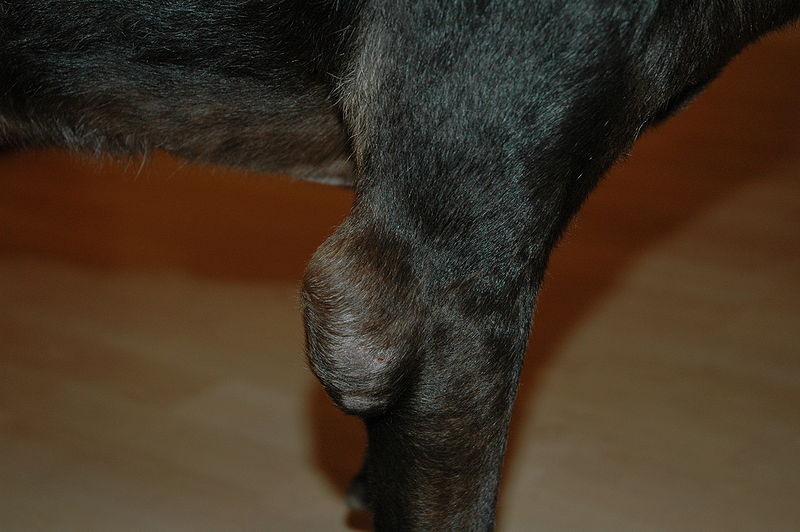
As a dog lover and veterinarian, one of the more common lumps and bumps I see in my canine patients are elbow hygromas. If you‘ve noticed a soft, fluid-filled swelling on your dog‘s elbow, it‘s possible they have developed a hygroma. While these masses can look alarming, the good news is that hygromas are usually not cancerous. However, they can cause discomfort and lameness if left untreated.
In this comprehensive guide, we‘ll cover everything you need to know about elbow hygromas in dogs, from what causes them to the latest treatment options in 2024. By the end, you‘ll have the knowledge you need to help your furry friend find relief and prevent future issues. Let‘s dive in!
What is an Elbow Hygroma?
An elbow hygroma, also known as an olecranon bursitis or elbow bursitis, is a fluid-filled sac that develops over a dog‘s elbow due to repeated trauma or pressure. The olecranon is the bony prominence at the tip of the elbow. Over this bone is a small, fluid-filled sac called the olecranon bursa which acts as a cushion.
When a dog lies on hard surfaces frequently, the pressure and impact on the elbow can cause the bursa to fill with excess fluid and become inflamed, creating a soft, fluctuant swelling called a hygroma. Over time, the hygroma can grow larger and become firmer as fibrous tissue forms around it.
Elbow hygromas are most commonly seen in large and giant breed dogs like German Shepherds, Labrador Retrievers, Great Danes, Mastiffs, and Rottweilers. This is because their size and weight puts more pressure on their elbows, especially when lying on hard floors. However, hygromas can develop in dogs of any size and age.
Causes and Risk Factors
The primary cause of elbow hygromas is repeated trauma or pressure to the elbow from frequently lying on hard surfaces. Some common risk factors that contribute to hygroma formation include:
- Lying on hard floors like concrete, tile, or hardwood
- Being overweight or obese which puts more pressure on the joints
- Having short, sparse fur that doesn‘t provide much cushioning
- Spending extended periods lying down due to illness, injury, or old age
- Joint conditions like elbow dysplasia or arthritis
- Immunosuppression from diseases or medications
While any dog can get an elbow hygroma, those with short coats, minimal body fat over the elbows, and orthopedic conditions are at higher risk. Male dogs also seem to be slightly more prone to developing hygromas than females.
Signs and Symptoms of Elbow Hygromas
The most obvious sign of an elbow hygroma is a soft, sometimes squishy swelling located directly over the elbow. They feel like fluid-filled sacs and can range in size from a grape to a tennis ball or even larger. At first the swelling is usually soft and painless. Your dog may not even seem to notice it.
However, as the hygroma grows, it can start to cause other problems like:
- Limping or an abnormal gait
- Reluctance to bear weight on the affected leg
- Redness or warmth of the skin over the mass
- Pain when the elbow is touched
- Lethargy or decreased activity
- Firm or thick skin over the elbow
- Hair loss or skin infections around the hygroma
If the bursa becomes traumatized enough, the skin over it can open up and drain fluid or blood. An open wound on the hygroma makes it very prone to infection. Signs of an infected hygroma include severe swelling, heat, pus discharge, foul odor, fever, and excessive pain. An infected elbow hygroma requires prompt treatment by a veterinarian.
Diagnosing an Elbow Hygroma
If you notice any swelling or lumps on your dog‘s elbow, it‘s best to have it evaluated by your veterinarian. They can determine if it is a true hygroma versus other masses like a sebaceous cyst, tumor, or abscess. Diagnosis of an elbow hygroma involves:
-
Physical exam: Your vet will feel the mass, check for pain or heat, and evaluate your dog‘s gait. The hygroma is usually easy to identify on exam based on its location and fluid-filled consistency.
-
Aspiration: Using a needle, your vet may extract some fluid from the mass and examine it under a microscope. This helps distinguish it from other skin lumps and check for signs of infection.
-
Diagnostic imaging: X-rays are often recommended to assess the elbow joint for arthritis, chips, or abnormal bony growths that could be contributing to hygroma formation. Advanced imaging like CT or MRI scans are rarely needed.
-
Lab work: If your dog is older or shows signs of illness, your vet may suggest blood tests and a urinalysis to check organ function and rule out underlying metabolic disease.
Treatment Options for Elbow Hygromas
Treatment for elbow hygromas depends on the size of the mass, severity of symptoms, and whether it is infected. The goal is to reduce inflammation, relieve discomfort, and prevent the hygroma from coming back. Here are the current treatment options as of 2024:
Conservative Care
For small, uncomplicated hygromas that aren‘t bothering your dog, your vet may recommend conservative treatment first, such as:
- Providing soft, padded bedding to cushion the elbows
- Applying warm compresses to the mass for 10 minutes twice daily
- Using donut-shaped pillows around the elbows to relieve pressure
- Massaging the area to encourage fluid drainage
- Giving joint supplements to support elbow cartilage and joint health
- Managing your dog‘s weight to reduce pressure on the elbows
With these changes, small hygromas often get better on their own within a few weeks. However, large hygromas usually require more intensive treatment.
Aspiration and Drainage
If a hygroma is very large or painful, your vet may try draining the fluid with a needle to relieve pressure. However, the fluid often refills the bursa again within a few days. Sometimes, anti-inflammatory medications are injected into the bursa after draining it to reduce swelling.
Repeated aspirations are not recommended, as they increase the risk of introducing bacteria into the bursa and causing infection. If the hygroma keeps filling back up after draining it, surgical removal is often the next step.
Surgical Removal
For persistent, infected, or very large elbow hygromas, surgical removal is often the best treatment option. This involves opening up the skin over the mass and cutting out the affected bursa and any scarred tissue around it. The goal is to remove all of the abnormal tissue to prevent regrowth.
After removing the hygroma, the incision is sutured closed and the leg is bandaged. Your dog will need to wear an Elizabethan collar and limit their activity for 2-3 weeks after surgery to allow the incision to heal. Antibiotics and pain relievers are often prescribed.
While surgery has a good success rate, hygromas can sometimes return, especially if the elbow is not adequately padded. The skin around the surgical site tends to be fragile and the constant pressure can cause an open wound or recurrence of the hygroma. Fortunately, there are some newer treatment techniques that are showing promise.
Newest Treatment Techniques
Veterinary medicine continues to advance and find new ways to manage elbow hygromas more effectively and less invasively. Here are some of the most promising treatment techniques as of 2024:
-
Laser therapy: This involves focusing light energy on the hygroma to stimulate healing, reduce inflammation, and relieve pain. Studies show it can help hygromas heal faster when used after surgical removal.
-
Platelet-rich plasma (PRP): PRP is derived from your dog‘s own blood and contains high levels of healing platelets and growth factors. When injected into a hygroma, it can accelerate tissue repair and prevent scar tissue buildup.
-
Stem cell therapy: Injecting stem cells into a hygroma may help regenerate healthy bursa tissue and reduce inflammation for better healing. The stem cells are usually collected from your dog‘s own fat tissue.
-
Casting/Splinting: Rather than surgery, some vets have found success immobilizing the elbow joint with a cast or splint for several weeks to allow the hygroma to heal. This prevents further trauma while the body absorbs the excess fluid.
While these newer therapies show potential, more research is still needed to prove their long-term effectiveness for managing elbow hygromas in dogs. Discuss all the risks and benefits of different treatment options with your veterinarian to determine the best plan for your dog.
Prognosis for Dogs with Elbow Hygromas
The prognosis for dogs with elbow hygromas is generally good, especially when caught and treated early. Small hygromas often resolve with conservative treatment within a month. For large or complicated hygromas requiring surgery, the recovery time is longer, but most dogs get back to their normal activities within 2-3 months.
However, it‘s important to know that elbow hygromas can recur, especially if the underlying cause is not addressed. Even with surgery, if a dog continues to lie on hard surfaces and put pressure on their elbows, the hygroma can return. Additionally, dogs with elbow arthritis or conformational abnormalities may be prone to repeated hygromas regardless of treatment.
The key to achieving the best outcome is working closely with your veterinarian, following all at-home care instructions, and being proactive about providing your dog with a soft, padded place to rest. With proper treatment and prevention, most dogs with elbow hygromas can live a comfortable, active life.
Tips for Preventing Elbow Hygromas
As a dog owner, there are several things you can do to reduce your dog‘s risk of developing elbow hygromas:
-
Provide thick, soft bedding: Orthopedic foam beds, egg crate pads, and plush blankets can cushion your dog‘s elbows and prevent pressure sores. Make sure your dog‘s bed is large enough for them to stretch out fully.
-
Use elbow pads: Soft, donut-shaped elbow pads can wrap around your dog‘s elbows to cushion them while lying down. These are especially helpful for dogs with arthritis or thin body fat over their elbows.
-
Maintain a healthy weight: Excess weight puts more pressure on your dog‘s joints and elbows. Feed a balanced diet and keep your dog active to prevent obesity.
-
Keep nails short: Long toenails can change your dog‘s stance and gait, putting more stress on their elbows. Regularly trim your dog‘s nails to maintain proper foot positioning.
-
Treat underlying joint disease: If your dog has elbow dysplasia, arthritis, or other orthopedic issues, work with your vet to manage their condition. Joint supplements, anti-inflammatories, and physical therapy can improve limb function and reduce pressure on the elbows.
-
Consider protective gear: If your dog must spend time on hard surfaces, consider putting down interlocking foam mats or using protective booties to cushion their elbows and paws.
-
Encourage rest on soft surfaces: If your dog tends to lie on hard floors, try putting treats, toys, and comfy bedding in those areas to entice them to rest on softer surfaces instead. Praise them when they choose their bed over the floor.
When to See Your Veterinarian
While elbow hygromas are not life-threatening, they can be a sign of an underlying health problem and cause significant discomfort for your dog if left untreated. Contact your veterinarian right away if you notice any of the following signs:
- Limping or lameness in a front leg
- Swelling, redness, or heat over your dog‘s elbow
- Sudden growth of the hygroma
- Drainage, odor, or an open wound over the elbow
- Lethargy, fever, or loss of appetite in addition to the mass
- Reluctance to bear weight or move the affected leg
Prompt treatment offers the best chance of resolving the hygroma and getting your dog back to their happy, active self. Don‘t wait to see if it will go away on its own, as this can lead to worsening pain and complications.
The Bottom Line
Elbow hygromas can be an unsightly and uncomfortable problem for many dogs, but the good news is that most cases can be successfully treated and prevented. By understanding the causes, symptoms, and treatment options for this condition, you can be a proactive advocate for your dog‘s elbow health.
Remember, the sooner you address a hygroma, the better the outcome tends to be. Work closely with your veterinarian to find the best treatment plan for your dog and make the necessary lifestyle changes to prevent future issues. With patience, care, and a cushy bed, your furry friend will be back to living their best life in no time!