The Carpathian Sheepdog: Romania‘s Fearless Guardian of the Mountains
Imagine a dog brave enough to face down a bear, loyal enough to spend weeks alone guarding a flock, and intelligent enough to make life-or-death decisions without human guidance. That‘s the remarkable Carpathian Sheepdog, a rare and ancient breed born and bred to protect livestock in the rugged mountains of Romania.
As a veterinarian and lifelong dog enthusiast, I‘m endlessly fascinated by these courageous canines. The more I learn about their history, abilities, and character, the more I believe they deserve a place among the world‘s most exceptional working breeds.
If you‘re curious about what makes the Carpathian Sheepdog so special, join me on a deep dive into their world. But be warned – by the end, you may just fall in love with these furry heroes of the Romanian hills!
A Breed Shaped by the Mountains
To understand the Carpathian Sheepdog, you need to understand the landscape that forged them. For centuries, hardy Romanian shepherds have grazed their flocks in the Carpathian Mountains, a rugged wilderness spanning over 900 miles. Here, bears and wolves roam vast forests, frigid temperatures linger for months, and the terrain is steep and unforgiving.
In this challenging environment, only the toughest, smartest, most vigilant dogs could succeed as guardians. Through generations of selective breeding and natural selection, the Carpathian Sheepdog emerged as the ideal partner for shepherds. Every aspect of their being, from their muscular build to their keen senses to their dauntless courage, is perfectly honed for their vital work.
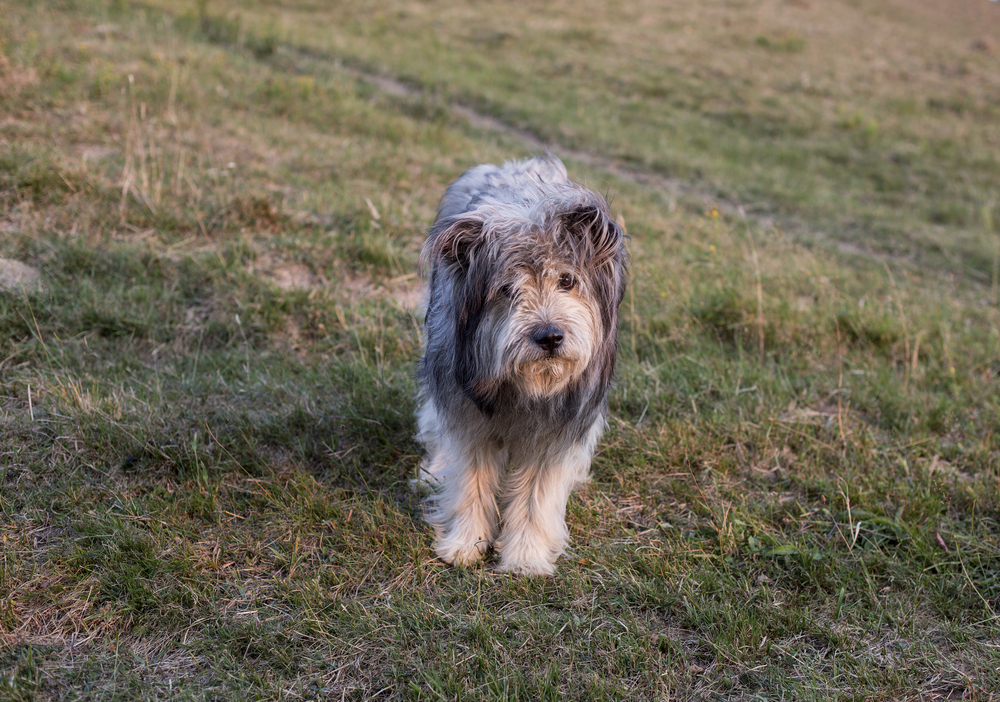
Let‘s start with that incredible physique. Male Carpathian Sheepdogs can stand nearly 30 inches tall and weigh up to 120 pounds, with females being somewhat smaller but still substantial. Their bodies are lean and powerful, built for speed, agility, and stamina. A thick double coat in shades of fawn, black, grey, or brindle protects them from extreme weather and predator bites alike.
But perhaps the breed‘s most impressive adaptations are the ones you can‘t see. Carpathian Sheepdogs have exceptionally acute hearing and scent detection skills, allowing them to perceive threats at great distances. Their night vision is excellent too – a must for standing guard in dark mountain valleys. And when danger does approach, these dogs respond with a fearlessness that is frankly awe-inspiring.
Ioan Catunescu, a Romanian shepherd who has worked with Carpathian Sheepdogs for decades, puts it this way: "They have a heart like a lion. When the flock is threatened, they will lay down their life without hesitation. I‘ve seen a single dog chase off a pack of wolves and even fend off an angry bear to protect the sheep. They are true warriors."
Living to Serve: The Working Life of a Carpathian Sheepdog
That warrior spirit Catunescu describes is the essence of the Carpathian Sheepdog. For thousands of years, these dogs have had one job: to guard livestock with their lives. It‘s a duty they take incredibly seriously and perform with unwavering dedication.
Most Carpathian Sheepdogs still live and work as guardians on the sprawling pastures of the Carpathian Mountains. During the summer grazing season, they‘ll spend weeks at a time out with the flocks, patrolling for predators, alerting the shepherds to potential dangers, and bravely engaging threats when needed.
The scope of the dangers they face is staggering. Romania boasts the largest populations of brown bears, wolves, and lynx in Europe, with an estimated 6,000 bears and 2,500 wolves calling the Carpathians home. For shepherds trying to protect their animals and livelihood, a fearless and capable guardian dog is a necessity.
And Carpathian Sheepdogs deliver spectacularly in this role. Studies show that flocks guarded by these powerful dogs suffer far fewer losses to predators compared to those without canine protection. In many cases, the mere presence of a Carpathian Sheepdog is enough to deter hungry bears and wolves.
When predators do venture too close, the dogs spring into action with astonishing speed and force. They‘ll bark ferociously to alert the shepherd and other dogs, then physically interpose themselves between the threat and the flock. Using their powerful jaws and sheer strength, they can drive off even much larger predators.
But just as remarkable as their physical prowess is the intelligence and sound judgment Carpathian Sheepdogs bring to their work. As Catunescu explains, "These dogs understand their job completely. They know to stay close to the flock, to patrol the perimeter, and to react to different threat levels appropriately. The shepherd might be kilometers away or asleep, and the dog will still make the right call. That autonomy and decisiveness sets them apart."
From Carpathians to Companions: Meeting the Carpathian Sheepdog‘s Needs
Given their history as hard-wired working dogs, it‘s no surprise that the vast majority of Carpathian Sheepdogs still live as guardians in their Romanian homeland. Even as the breed gains recognition internationally, experts estimate the global population at just 2,000 or so dogs.
But a lucky few Carpathian Sheepdogs do find homes as companions in Romania and beyond. The American Kennel Club provisionally recognized the breed in 2020, paving the way for their introduction to serious dog enthusiasts in the US. And rare breed fanciers in several European countries are working to establish the Carpathian Sheepdog outside Romania.
For the right person or family, a Carpathian Sheepdog can make an outstanding companion. Their intelligence, loyalty, and protective nature translate well to a home setting if their needs are met. But as a large, active working breed, those needs are significant.
First and foremost, Carpathian Sheepdogs require a job to do. They are happiest and most well-adjusted when given consistent mental and physical challenges. For those not working as livestock guardians, regular training sessions, adventures in the great outdoors, and canine sports can help channel their energy and drive.
Breed experts recommend at least an hour of vigorous exercise for Carpathian Sheepdogs every day, plus plenty of mental stimulation in the form of puzzle toys, scent games, obedience drills, and other brain teasers. A bored Carpathian Sheepdog is likely to become destructive or anxious, so keeping them engaged is crucial.
Socialization from an early age is also key for companion Carpathian Sheepdogs. As guardians, their default mode is to be aloof with strangers and suspicious of anything new. Careful exposure to a variety of people, animals, and environments as puppies can help them discriminate between real threats and harmless novelty.
With their massive size and protective nature, training and control are paramount too. Carpathian Sheepdogs need confident, consistent leadership from a person they respect. Positive reinforcement methods work well with their eagerness to please, but they do require a firm hand. This is not a breed for the inexperienced or faint of heart.
If given the training, structure, and challenges they crave, however, Carpathian Sheepdogs can adapt beautifully to family life. They are known for forming deep bonds with their chosen people and being gentle, patient guardians of children. Many even excel as therapy dogs, search and rescue workers, and competitors in obedience and agility trials.
Preserving a Legacy of Courage
As the Carpathian Sheepdog takes its first tentative steps onto the world stage, fans and fanciers are working hard to safeguard their future. The breed‘s primary advocates remain Romanian shepherds, breed clubs, and breeders who understand their vital role as working dogs. But international enthusiasts are contributing too by promoting the breed, developing thoughtful breeding programs, and educating the public.
One point of concern is the impact of crossbreeding with other livestock guardian breeds like the Sarplaninac and Komondor. While outcrossing can introduce valuable genetic diversity, some worry it could dilute the Carpathian Sheepdog‘s unique traits and working abilities over time. Ensuring the breed standard is upheld as they spread to new regions will be an important challenge.
Another key to the Carpathian Sheepdog‘s preservation is simply getting their story out there. The more people learn about these heroic dogs and develop an appreciation for their history and purpose, the brighter their prospects will be. That‘s why profiles of dogs like Ursu, a Carpathian Sheepdog in Romania who singlehandedly killed a bear to save his shepherd‘s life, are so important. They put a face to the breed‘s legend.
Ultimately, the Carpathian Sheepdog is not a breed for everyone. They are a true working dog in every sense, with the drive, energy, and independent spirit to match. But for experienced dog handlers seeking a smart, brave, utterly devoted companion up for any challenge, the Carpathian Sheepdog delivers in spades.
Getting to know this ancient breed is a chance to connect with a living, breathing piece of history. To look into the keen, fearless eyes of a Carpathian Sheepdog is to see the indomitable spirit that has allowed them to thrive for centuries in one of the harshest environments on Earth. It‘s humbling, thrilling, and deeply moving, even for a veterinarian like me who has seen a lot in my career.
So the next time you see a Carpathian Sheepdog – whether guarding a flock in the Romanian mountains, competing at a dog show, or walking down your local street – take a moment to appreciate their story. These brave dogs have been our partners and protectors for generations, and they have so much still to teach us. With our support and understanding, they‘ll keep making us proud for many years to come.